
Pain Management, Palliative & End-of-Life Care
In this chapterفي هذا الفصل
Key terms (12)المصطلحات الأساسية
Chapter outline (28 sections)مخطط الفصل
- Learning Objectivesأهداف التعلّم
- 6.1 · Classifying Pain٦٫١ · تصنيف الألم
- 6.2 · How Pain Works٦٫٢ · كيف يعمل الألم
- 6.3 · Why Pain Goes Under-Treated٦٫٣ · لماذا يبقى الألم دون علاج كافٍ
- 6.4 · The Analgesic Ladder٦٫٤ · سلّم المسكّنات
- 6.5 · Non-Opioid Analgesics٦٫٥ · المسكّنات غير الأفيونية
- 6.6 · Opioids٦٫٦ · الأفيونيات
- 6.7 · Opioid Side Effects٦٫٧ · الآثار الجانبية للأفيونيات
- 6.8 · Opioid Safety and Monitoring٦٫٨ · سلامة الأفيونيات ومراقبتها
- 6.9 · Tolerance, Dependence and Addiction٦٫٩ · التحمّل والاعتماد والإدمان
- 6.10 · Neuropathic Pain and Adjuvants٦٫١٠ · الألم العصبي والأدوية المساعدة
- 6.11 · Patient-Controlled Analgesia٦٫١١ · التسكين المتحكَّم به من المريض
- 6.12 · Non-Pharmacological Measures٦٫١٢ · التدابير غير الدوائية
- 6.13 · Pain in Special Populations٦٫١٣ · الألم في فئات خاصّة
- 6.14 · What Palliative Care Is٦٫١٤ · ما هي الرعاية التلطيفية
- 6.15 · Palliative Care and Hospice Care٦٫١٥ · الرعاية التلطيفية ورعاية المحتضرين
- 6.16 · Breathlessness٦٫١٦ · ضيق النفس
- 6.17 · Nausea, Vomiting and Constipation٦٫١٧ · الغثيان والتقيّؤ والإمساك
- 6.18 · Fatigue, Mouth Care and Delirium٦٫١٨ · التعب والعناية بالفم والهذيان
- 6.19 · Goals of Care and Advance Planning٦٫١٩ · أهداف الرعاية والتخطيط المسبق
- 6.20 · Recognising That a Patient Is Dying٦٫٢٠ · تمييز أن المريض يحتضر
- 6.21 · Care in the Last Days and Hours٦٫٢١ · الرعاية في الأيام والساعات الأخيرة
- 6.22 · Terminal Secretions and Terminal Agitation٦٫٢٢ · الإفرازات النهائية والهياج النهائي
- 6.23 · Nutrition and Hydration at the End of Life٦٫٢٣ · التغذية والإماهة في نهاية الحياة
- 6.24 · Care After Death٦٫٢٤ · الرعاية بعد الوفاة
- 6.25 · End-of-Life Care in Saudi Practice٦٫٢٥ · رعاية نهاية الحياة في الممارسة السعودية
- 6.26 · Grief and Bereavement٦٫٢٦ · الحزن والفجيعة
- 6.27 · Looking After the Nurse٦٫٢٧ · العناية بالكادر التمريضي نفسه
Start learningبدء التعلّم Learning objectivesأهداف التعلّم Test yourselfالاختبار الذاتي
Learning Objectivesأهداف التعلّم
6.1 · Classifying Pain٦٫١ · تصنيف الألم
- Identifiable causeسبب قابل للتحديد
- PROTECTIVE — it is doing a jobوقائي — يؤدّي وظيفة
- RESOLVES as healing occursيزول مع حدوث الشفاء
- Usually within three monthsعادة خلال ثلاثة أشهر
- Often with visible autonomic signsغالباً مع علامات لا إرادية ظاهرة
- Persists BEYOND the expected healing timeيستمرّ إلى ما بعد وقت الشفاء المتوقّع
- Serves NO protective purposeلا يؤدّي أيّ غرض وقائي
- Becomes a condition in its own rightيصبح حالة قائمة بذاتها
- Vital signs are typically NORMALالعلامات الحيوية طبيعية عادة
- Which is why he is disbelievedولهذا لا يُصدَّق المريض
By mechanism, which is what decides the treatment. Nociceptive pain comes from actual tissue damage and divides into somatic — sharp, aching, well localised, from skin, muscle and bone — and visceral — dull, cramping, poorly localised, often referred elsewhere, from organs.
بحسب الآلية، وهي ما يحدّد العلاج. فالألم المستقبِلي ينشأ من تلف نسيجي فعلي وينقسم إلى جسدي — حادّ وموجع ومحدّد الموضع، من الجلد والعضل والعظم — وحشوي — كليل ومغصي وغير محدّد الموضع، وغالباً ما يكون مُحالاً إلى موضع آخر، من الأعضاء.
Neuropathic pain comes from damage to the nervous system itself and is described as burning, shooting, stabbing, electric or tingling, often with numbness in the same area. It responds poorly to opioids alone, which is the single most useful thing to know about it.
الألم العصبي المنشأ ينشأ من تلف في الجهاز العصبي نفسه ويُوصَف بأنه حارق أو راشق أو طاعن أو كهربائي أو نمليّ، مع خدر في المنطقة نفسها غالباً. وهو يستجيب استجابةً ضعيفة للأفيونيات وحدها، وهذه أنفع معلومة عنه.
Other terms: referred pain is felt at a site distant from its origin; phantom pain is felt in an amputated limb and is real, not imagined; breakthrough pain is a transient flare through otherwise controlled background pain.
مصطلحات أخرى: الألم المُحال يُحسّ في موضع بعيد عن منشئه؛ والألم الشبحي يُحسّ في طرف مبتور وهو حقيقي لا متوهَّم؛ والألم الاختراقي ثورة عابرة تخترق ألماً خلفياً مضبوطاً.
6.2 · How Pain Works٦٫٢ · كيف يعمل الألم
Gate control theory proposes that non-painful input travelling on large fibres can close a gate in the spinal cord to painful input travelling on smaller ones. It is the reason rubbing a knock helps, and the rationale behind massage, heat and cold, transcutaneous nerve stimulation, and distraction.
نظرية التحكّم بالبوّابة ترى أن المدخلات غير المؤلمة المنتقلة عبر ألياف كبيرة قد تُغلق بوّابةً في الحبل الشوكي أمام المدخلات المؤلمة المنتقلة عبر ألياف أصغر. وهي سبب نفع فرك الموضع بعد ارتطام، والأساس وراء التدليك والدفء والبرودة والتنبيه العصبي عبر الجلد والتشتيت.
Perception is shaped by more than the signal: anxiety, fear, sleeplessness, previous experience, meaning, culture and expectation all raise or lower reported pain. This is not the pain being "in the mind" — it is the mechanism by which reassurance, sleep and treating anxiety genuinely reduce it.
الإدراك يشكّله أكثر من الإشارة: فالقلق والخوف والأرق والتجربة السابقة والمعنى والثقافة والتوقّع كلّها ترفع الألم المُبلَّغ عنه أو تخفضه. وليس معنى ذلك أن الألم «في الذهن» — بل هو الآلية التي تخفّض بها الطمأنةُ والنومُ وعلاجُ القلق الألمَ فعلاً.
6.3 · Why Pain Goes Under-Treated٦٫٣ · لماذا يبقى الألم دون علاج كافٍ
- Fear of ADDICTIONالخوف من الإدمان
- Fear that pain means the DISEASE IS WORSENINGالخوف من أنّ الألم يعني تفاقم المرض
- Wanting to be a ‘GOOD PATIENT’ and not complainالرغبة في أن يكون «مريضاً جيداً» وعدم الشكوى
- A belief that pain is INEVITABLE or DESERVEDاعتقاد بأنّ الألم حتميّ أو مُستحَقّ
- Fear of side effects, or of injectionsالخوف من الآثار الجانبية أو من الحقن
- And not wanting to distract the team from the ‘real’ problemوعدم الرغبة في تشتيت الفريق عن «المشكلة الحقيقية»
- UNDER-ESTIMATING what the patient reportsالتقليل من تقدير ما يُبلغ عنه المريض
- DISBELIEVING a patient whose BEHAVIOUR does not match the SCOREعدم تصديق مريض لا يتطابق سلوكه مع الدرجة المُبلَّغة
- Excessive fear of respiratory depression or addictionخوف مفرط من التثبيط التنفّسي أو الإدمان
- Poor knowledge of equianalgesic doses and of adjuvantsمعرفة ضعيفة بالجرعات المكافئة والأدوية المساعدة
- And not reassessing after a doseوعدم إعادة التقييم بعد الجرعة
SYSTEM barriers: AS-NEEDED prescribing where REGULAR dosing is indicated; delays between request and administration; NO reassessment after a dose; controlled drug procedures that discourage use; and no pain policy or no one accountable for it. Each of these is fixable, and none of them is the patient’s fault — which is why ‘he is drug-seeking’ is usually a description of a system, not of a person.
عوائق النظام: الوصف عند اللزوم حيث تُستطبّ الجرعات المنتظمة، والتأخير بين الطلب والإعطاء، وعدم إعادة التقييم بعد الجرعة، وإجراءات الأدوية المراقَبة التي تثبّط الاستخدام، وغياب سياسة للألم أو غياب من يتحمّل مسؤوليتها. وكلّ ذلك قابل للإصلاح ولا ذنب فيه للمريض — ولهذا فإن القول «إنه يسعى إلى الحصول على الدواء» هو في الغالب وصف لنظام لا وصف لشخص.
Professional barriers: under-estimating what the patient reports, disbelieving a patient whose behaviour does not match the score, excessive fear of respiratory depression or addiction, inadequate knowledge of dosing, and treating pain as a symptom to be tolerated rather than a problem to be solved.
عوائق المهني: التقليل من تقدير ما يذكره المريض، وعدم تصديق مريض لا يطابق سلوكه درجته، والخوف المفرط من التثبيط التنفّسي أو الإدمان، وضعف المعرفة بالجرعات، ومعاملة الألم كعرَض يُحتمَل لا مشكلة تُحلّ.
System barriers: as-needed prescribing where regular dosing is indicated, delays between request and administration, no reassessment after a dose, controlled drug procedures that discourage use, and no clear escalation route when the prescribed analgesia is inadequate.
عوائق النظام: الوصف عند اللزوم حيث يُستطبّ الوصف المنتظم، والتأخّر بين الطلب والإعطاء، وغياب إعادة التقييم بعد الجرعة، وإجراءات الأدوية المراقَبة التي تثبّط الاستخدام، وغياب مسار تصعيد واضح حين لا تكفي المسكّنات الموصوفة.
6.4 · The Analgesic Ladder٦٫٤ · سلّم المسكّنات
The non-opioid is continued as you climb rather than replaced, because the two act at different points and the combination allows a lower opioid dose. Adjuvants are added at any step where the pain has a neuropathic, bony or inflammatory component.
يُواصَل المسكّن غير الأفيوني مع الصعود لا يُستبدَل، لأن الاثنين يعملان عند نقطتين مختلفتين والجمع بينهما يتيح جرعة أفيونية أقلّ. وتُضاف المساعدات في أيّ درجة يكون فيها للألم مكوّن عصبي أو عظمي أو التهابي.
Five principles govern the whole plan: by mouth where possible, since the oral route is effective and least invasive; by the clock for continuous pain, not on request; by the ladder, stepping up when the current step fails; for the individual, since there is no standard dose and the right dose is the one that controls the pain with tolerable effects; and with attention to detail — written plans, anticipated side effects, and reassessment.
خمسة مبادئ تحكم الخطة كلّها: بالفم حيث أمكن، فالطريق الفموي فعّال وأقلّها اجتياحاً؛ وعلى مدار الساعة للألم المستمرّ لا عند الطلب؛ وبالسلّم، بالصعود حين تفشل الدرجة الحالية؛ وللفرد، فلا جرعة قياسية والجرعة الصحيحة هي التي تضبط الألم بآثار محتملة؛ وبالعناية بالتفاصيل — خطط مكتوبة وآثار جانبية متوقَّعة وإعادة تقييم.
6.5 · Non-Opioid Analgesics٦٫٥ · المسكّنات غير الأفيونية
Paracetamol is effective, well tolerated and the backbone of most regimens. The adult ceiling is normally 4 grams in 24 hours, and that limit is lowered in liver disease, low body weight, malnutrition and chronic high alcohol intake. Overdose causes hepatic necrosis, and the danger is that it is present in many combination preparations, so a patient can exceed the limit without realising.
الباراسيتامول فعّال وجيّد التحمّل وهو عماد معظم الأنظمة. والحدّ الأقصى للبالغ عادةً ٤ غرامات في ٢٤ ساعة، ويُخفَّض هذا الحدّ في مرض الكبد ونقص الوزن وسوء التغذية والتناول المزمن الكثيف للكحول. والجرعة الزائدة تسبّب نخراً كبدياً، والخطر أنه موجود في كثير من المستحضرات المركّبة، فقد يتجاوز المريض الحدّ دون أن يدري.
Anti-inflammatory drugs are particularly useful for inflammatory, bony and post-operative pain. Their risks are grouped and predictable: gastrointestinal irritation and bleeding, renal impairment especially in dehydration or existing kidney disease, cardiovascular risk, fluid retention which matters in heart failure, and bronchospasm in aspirin-sensitive asthma.
مضادّات الالتهاب نافعة خاصّةً للألم الالتهابي والعظمي وما بعد الجراحة. ومخاطرها متجمّعة ومتوقّعة: تهيّج ونزف هضمي، واختلال كلوي خاصّةً في الجفاف أو مرض كلوي قائم، وخطر قلبي وعائي، واحتباس سوائل يهمّ في قصور القلب، وتشنّج قصبي في الربو الحسّاس للأسبرين.
Take an anti-inflammatory with food, use the lowest effective dose for the shortest period, and check before giving it whether the patient is dehydrated, anticoagulated, has renal impairment, heart failure or a history of peptic ulcer. In an older patient all of these risks are higher.
يُعطى مضادّ الالتهاب مع الطعام، ويُراعى استخدام أقلّ جرعة فعّالة لأقصر مدّة، ويُتحقَّق قبل الإعطاء مما إذا كان المريض مصاباً بالجفاف أو على مضادّ تخثّر أو لديه اختلال كلوي أو قصور قلب أو تاريخ قرحة هضمية. ولدى كبير السنّ تكون كلّ هذه المخاطر أعلى.
6.6 · Opioids٦٫٦ · الأفيونيات
Opioids act on receptors in the central nervous system to reduce the perception of pain. There is no ceiling dose for a pure agonist such as morphine — the correct dose is the one that controls the pain with tolerable side effects, reached by titration rather than taken from a table.
الأفيونيات تعمل على مستقبلات في الجهاز العصبي المركزي فتقلّل إدراك الألم. ولا جرعة قصوى لناهض صرف كالمورفين — فالجرعة الصحيحة هي التي تضبط الألم بآثار جانبية محتملة، ويُوصَل إليها بالمعايرة لا بالأخذ من جدول.
For continuous pain the pattern is a long-acting or modified-release preparation given on a schedule, with a short-acting preparation available for breakthrough pain. A breakthrough dose is commonly between one-tenth and one-sixth of the total daily dose, and frequent use of it is the signal that the background dose needs increasing.
للألم المستمرّ يكون النمط مستحضراً طويل المفعول أو معدَّل التحرّر يُعطى بجدول، مع مستحضر قصير المفعول متاح للألم الاختراقي. والجرعة الاختراقية عادةً بين عُشر الجرعة اليومية الكلّية وسُدسها، وكثرة استخدامها إشارة إلى وجوب زيادة الجرعة الخلفية.
Routes matter for onset and for safety. The oral route is preferred where it works. Intravenous gives the fastest onset and the least margin for error. Transdermal patches take many hours to reach effect and many hours to wear off, so they are unsuitable for unstable or rapidly changing pain and never for opioid-naive patients starting treatment.
الطرق مهمّة للبدء وللسلامة. فالطريق الفموي مفضّل حيث ينفع. والوريدي أسرع بدءاً وأقلّ هامشاً للخطأ. واللصقات عبر الجلد تحتاج ساعات كثيرة لبلوغ الأثر وساعات كثيرة لزواله، فهي غير مناسبة للألم غير المستقرّ أو سريع التغيّر، ولا تُبدأ بها المعالجة لدى من لم يتعرّض للأفيونيات.
6.7 · Opioid Side Effects٦٫٧ · الآثار الجانبية للأفيونيات
Nausea and vomiting are common on starting and usually settle within a few days; an antiemetic is prescribed for that period rather than the opioid being abandoned. Sedation is common at initiation and after dose increases and also usually settles. Pruritus, dry mouth and urinary retention occur and are managed symptomatically.
الغثيان والتقيّؤ شائعان عند البدء ويهدآن عادةً خلال أيام؛ ويُوصَف مضادّ قيء لتلك الفترة بدل التخلّي عن الأفيوني. والتهدئة شائعة عند البدء وبعد زيادة الجرعة وتهدأ عادةً كذلك. وتحدث الحكّة وجفاف الفم واحتباس البول وتُدبَّر عرَضياً.
Respiratory depression is the feared effect and the rarest when opioids are titrated carefully against pain, because pain itself stimulates respiration. It is far more likely in the opioid-naive, at initiation, after a rapid dose increase, when another sedative is added, in renal impairment, and in untreated sleep apnoea.
التثبيط التنفّسي هو الأثر المخيف وأندرها حين تُعايَر الأفيونيات بعناية مقابل الألم، لأن الألم نفسه يحفّز التنفّس. وهو أرجح بكثير لدى من لم يتعرّض للأفيونيات، وعند البدء، وبعد زيادة سريعة في الجرعة، وعند إضافة مهدّئ آخر، وفي الاختلال الكلوي، وفي انقطاع النفس النومي غير المعالَج.
6.8 · Opioid Safety and Monitoring٦٫٨ · سلامة الأفيونيات ومراقبتها
The governing principle: SEDATION PRECEDES RESPIRATORY DEPRESSION. A patient becomes progressively HARDER TO ROUSE BEFORE his breathing slows — which means a SEDATION SCORE is a more sensitive early warning than the respiratory rate.
المبدأ الحاكم: التهدئة تسبق التثبيط التنفّسي. فالمريض يصير أصعب إيقاظاً قبل أن يبطؤ تنفّسه، ما يعني أن درجة التهدئة إنذار مبكّر أكثر حساسية من معدّل التنفّس.
If the respiratory rate falls or the patient becomes difficult to rouse: stop or withhold the opioid, stimulate and assess — rousability, respiratory rate, saturation, conscious level — give oxygen, position to protect the airway, and escalate immediately. Withholding the next dose while you assess is a nursing action that does not require an order.
إن انخفض معدّل التنفّس أو صعب إيقاظ المريض: يُوقَف الأفيوني أو يُحجَب، ويُنبَّه المريض ويُقيَّم — قابلية الإيقاظ ومعدّل التنفّس والتشبّع ومستوى الوعي — ويُعطى الأكسجين، ويُوضَع المريض بما يحمي مجرى الهواء، ويُصعَّد الأمر فوراً. وحجب الجرعة التالية أثناء التقييم إجراء تمريضي لا يحتاج أمراً.
Naloxone reverses opioid effects, and two things about it are commonly missed. Its duration of action is shorter than that of most opioids, so the patient can re-sedate after an apparent recovery and needs continued observation and possibly repeat doses. And in a patient on long-term opioids it is titrated in small increments, because a full reversing dose precipitates severe pain and acute withdrawal.
النالوكسون يعكس آثار الأفيونيات، وأمران عنه يُغفلان كثيراً. فمدّة مفعوله أقصر من معظم الأفيونيات، فقد يعود المريض للتهدئة بعد تعافٍ ظاهري ويحتاج مراقبةً مستمرّة وربما جرعات مكرّرة. ولدى مريض على أفيونيات طويلة الأمد يُعايَر بزيادات صغيرة، لأن الجرعة العاكسة الكاملة تُحدث ألماً شديداً وانسحاباً حادّاً.
6.9 · Tolerance, Dependence and Addiction٦٫٩ · التحمّل والاعتماد والإدمان
Addiction is a chronic disease characterised by compulsive use, craving, loss of control and continued use despite harm. It is uncommon when opioids are prescribed and monitored for genuine pain, and fear of it is one of the largest reasons pain goes under-treated in both patients and staff.
الإدمان مرض مزمن يتّسم بالاستخدام القهري والاشتهاء وفقد السيطرة ومواصلة الاستخدام رغم الضرر. وهو غير شائع حين تُوصَف الأفيونيات وتُراقَب لألم حقيقي، والخوف منه من أكبر أسباب بقاء الألم دون علاج كافٍ لدى المرضى والطاقم معاً.
Pseudo-addiction is drug-seeking behaviour — clock-watching, requesting specific drugs, appearing preoccupied with the next dose — that is caused by under-treated pain and resolves once the pain is adequately controlled. Reading it as addiction and reducing the dose makes the behaviour worse, and it is one of the most damaging misjudgements in pain management.
الإدمان الكاذب سلوك طلب للدواء — مراقبة الساعة، وطلب أدوية بعينها، والانشغال الظاهر بالجرعة التالية — سببه ألم غير معالَج ويزول بمجرّد ضبط الألم كفايةً. وقراءته إدماناً وخفض الجرعة يجعلان السلوك أسوأ، وهما من أشدّ أخطاء التقدير ضرراً في تدبير الألم.
6.10 · Neuropathic Pain and Adjuvants٦٫١٠ · الألم العصبي والأدوية المساعدة
NEUROPATHIC pain arises from damage to the NERVES THEMSELVES — diabetic neuropathy, post-herpetic neuralgia, sciatica, chemotherapy-induced neuropathy, spinal cord injury, phantom limb pain and trigeminal neuralgia.
الألم العصبي المنشأ ينشأ من تلف الأعصاب نفسها — كاعتلال الأعصاب السكري، والألم العصبي التالي للهربس، وعِرق النسا، واعتلال الأعصاب الناجم عن العلاج الكيميائي، وإصابة النخاع الشوكي، وألم الطرف الشبحي، وألم العصب مثلّث التوائم.
It responds poorly to opioids alone, and the answer to inadequate control is usually an adjuvant rather than a higher opioid dose. First-line classes are the gabapentinoids such as gabapentin and pregabalin, the tricyclic antidepressants such as amitriptyline, and the serotonin–noradrenaline reuptake inhibitors such as duloxetine.
يستجيب استجابةً ضعيفة للأفيونيات وحدها، والحلّ عند ضعف الضبط عادةً دواء مساعد لا جرعة أفيونية أعلى. وأصناف الخطّ الأول: الغابابنتينويدات كالغابابنتين والبريغابالين، ومضادّات الاكتئاب ثلاثية الحلقة كالأميتريبتيلين، ومثبّطات إعادة قبط السيروتونين والنورأدرينالين كالدولوكستين.
Other adjuvants used at any step of the ladder: corticosteroids for pain from inflammation, nerve compression or raised intracranial pressure; bisphosphonates for bone metastases; antispasmodics for visceral cramping; muscle relaxants for spasm; and local anaesthetic preparations for localised neuropathic pain.
مساعدات أخرى تُستخدم في أيّ درجة من السلّم: الستيرويدات القشرية للألم من الالتهاب أو ضغط العصب أو ارتفاع الضغط داخل القحف؛ والبيسفوسفونات لنقائل العظم؛ ومضادّات التشنّج للمغص الحشوي؛ ومرخيات العضل للتشنّج؛ ومستحضرات التخدير الموضعي للألم العصبي الموضعي.
6.11 · Patient-Controlled Analgesia٦٫١١ · التسكين المتحكَّم به من المريض
A programmed pump delivers a set bolus when the patient presses the handset, with a lockout interval during which further presses deliver nothing. It gives the patient control, keeps the blood level steadier than intermittent injections, and removes the wait between asking and receiving.
مضخّة مبرمَجة تعطي جرعة محدّدة حين يضغط المريض المقبض، مع فترة إقفال لا تُعطي فيها الضغطات الإضافية شيئاً. وهي تمنح المريض السيطرة، وتُبقي المستوى الدموي أثبت من الحقن المتقطّعة، وتُلغي الانتظار بين الطلب والتلقّي.
Only the patient presses the button. This is not a courtesy rule — it is the safety mechanism. A patient who becomes too sedated cannot press it, so the system limits itself. A family member or nurse pressing it on his behalf removes exactly that protection and has caused fatal respiratory depression.
لا يضغط الزرّ إلا المريض. وليست هذه قاعدة مجاملة — بل هي آلية السلامة. فالمريض الذي تشتدّ لديه التهدئة أكثر من اللازم لا يستطيع الضغط، فيحدّ النظام نفسه بنفسه. وضغط أحد أفراد الأسرة أو الطاقم التمريضي نيابةً عنه يُلغي تلك الحماية بالضبط وقد سبّب تثبيطاً تنفّسياً مميتاً.
Teach the patient before the operation, while he is comfortable and able to learn — Chapter 03 covers readiness. Explain that pressing early and often for pain is correct, that the lockout prevents overdose, and that he should press before pain becomes severe rather than waiting. Monitor sedation and respiratory rate, and check the pump history: a patient making many unsuccessful attempts is not adequately covered.
يُعلَّم المريض قبل العملية وهو مرتاح وقادر على التعلّم — والفصل الثالث يغطّي الاستعداد. يُشرَح أن الضغط مبكّراً ومراراً عند الألم صحيح، وأن الإقفال يمنع الجرعة الزائدة، وأن عليه الضغط قبل اشتداد الألم لا الانتظار. ويُراقَب مستوى التهدئة ومعدّل التنفّس، ويُفحَص سجلّ المضخّة: فالمريض الذي يحاول مراراً دون نجاح ليس مغطّى بشكل كافٍ.
6.12 · Non-Pharmacological Measures٦٫١٢ · التدابير غير الدوائية
These complement analgesia rather than replacing it, and their effect is real: positioning and support, massage, heat and cold, transcutaneous nerve stimulation, distraction, relaxation, guided imagery, music, and cognitive behavioural approaches. Most work through the mechanisms in gate control theory or by reducing the anxiety that amplifies pain.
هذه تكمّل المسكّنات ولا تحلّ محلّها، وأثرها حقيقي: الوضعية والإسناد، والتدليك، والدفء والبرودة، والتنبيه العصبي عبر الجلد، والتشتيت، والاسترخاء، والتخيّل الموجَّه، والموسيقى، والمقاربات المعرفية السلوكية. ومعظمها يعمل عبر آليات نظرية البوّابة أو بخفض القلق الذي يضخّم الألم.
Cold is used for acute injury, inflammation and swelling — it reduces blood flow, oedema and nerve conduction. Heat is used for muscle spasm, stiffness and chronic musculoskeletal pain — it increases blood flow and relaxes muscle. Neither is applied directly to the skin, both are time-limited, and both are used with great caution where sensation, circulation or the ability to report discomfort is impaired.
البرودة تُستخدم للإصابة الحادّة والالتهاب والتورّم — فهي تقلّل الجريان الدموي والوذمة والتوصيل العصبي. والدفء يُستخدم للتشنّج العضلي والتيبّس والألم العضلي الهيكلي المزمن — فهو يزيد الجريان الدموي ويرخي العضل. ولا يُوضع أيّ منهما مباشرةً على الجلد، وكلاهما محدود الزمن، ويُستخدمان بحذر شديد حيث يختلّ الإحساس أو الدورة الدموية أو القدرة على الإبلاغ عن الانزعاج.
6.13 · Pain in Special Populations٦٫١٣ · الألم في فئات خاصّة
Older adults: pain is under-reported and under-treated, and it is not a normal part of ageing. Use a tool the patient can manage, start low and increase slowly, prefer paracetamol over anti-inflammatories, and remember that both untreated pain and opioids can cause delirium — so the answer to confusion is assessment, not automatically stopping the analgesia.
كبار السنّ: الألم لديهم أقلّ إبلاغاً وأقلّ علاجاً، وهو ليس جزءاً طبيعياً من الشيخوخة. تُستخدم أداة يستطيع المريض التعامل معها، ويُبدأ بجرعة منخفضة وتُزاد ببطء، ويُفضَّل الباراسيتامول على مضادّات الالتهاب، ويُراعى أن الألم غير المعالَج والأفيونيات كليهما قد يسبّبان هذياناً — فالجواب على التشوّش تقييم لا إيقاف المسكّن تلقائياً.
Children: pain is under-treated here too, often on the mistaken belief that infants feel less. Use an observational tool matched to the developmental stage as Chapter 04 sets out, involve the parent, be honest about what will hurt, and use non-pharmacological measures alongside — distraction, sucrose in neonates, positioning and comfort holding.
الأطفال: الألم لديهم أقلّ علاجاً كذلك، بسبب اعتقاد خاطئ غالباً بأن الرضّع يشعرون أقلّ. تُستخدم أداة ملاحَظة تناسب المرحلة النمائية كما يبيّن الفصل الرابع، ويُشرَك الوالد، ويُتوخّى الصدق بشأن ما سيؤلم، وتُستخدم التدابير غير الدوائية معها — التشتيت والسكروز لدى الولدان والوضعية والحمل المريح.
Patients with a history of substance use feel pain like anyone else, and often need higher doses because of tolerance. Withholding analgesia does not treat addiction and is not a safeguard — it produces uncontrolled pain, distrust and worse behaviour. Involve the pain or addiction service, use a clear written plan with defined review points, and treat the pain.
المرضى ذوو تاريخ تعاطي المواد يشعرون بالألم كغيرهم، ويحتاجون غالباً جرعات أعلى بسبب التحمّل. وحجب المسكّن لا يعالج الإدمان وليس ضمانة — بل يُنتج ألماً غير مضبوط وانعداماً للثقة وسلوكاً أسوأ. تُشرَك خدمة الألم أو الإدمان، وتُستخدم خطة مكتوبة واضحة بنقاط مراجعة محدّدة، ويُعالَج الألم.
6.14 · What Palliative Care Is٦٫١٤ · ما هي الرعاية التلطيفية
Palliative care is an approach that improves the quality of life of patients and families facing a life-threatening illness, through prevention and relief of suffering — physical, psychosocial and spiritual. It applies at any stage of serious illness, at any age, and it is delivered alongside treatment aimed at cure or prolonging life, not after that treatment stops.
الرعاية التلطيفية نهج يحسّن جودة حياة المرضى وأسرهم في مواجهة مرض مهدّد للحياة، بمنع المعاناة وتخفيفها — الجسدية والنفسية الاجتماعية والروحية. وتنطبق في أيّ مرحلة من المرض الخطير، وفي أيّ عمر، وتُقدَّم إلى جانب العلاج الهادف للشفاء أو إطالة الحياة لا بعد توقّفه.
6.15 · Palliative Care and Hospice Care٦٫١٥ · الرعاية التلطيفية ورعاية المحتضرين
- NO prognostic requirementلا تشترط مآلاً معيّناً
- Runs ALONGSIDE curative or life-prolonging treatmentتسير جنباً إلى جنب مع العلاج الشافي أو المُطيل للحياة
- From DIAGNOSIS onwardsمن لحظة التشخيص فصاعداً
- Any life-threatening illnessأيّ مرض يهدّد الحياة
- Focus: quality of life throughoutالتركيز: جودة الحياة طوال المسار
- Generally requires a TERMINAL prognosisتتطلّب عادةً مآلاً نهائياً
- Curative treatment has usually STOPPEDالعلاج الشافي عادة قد توقّف
- The LAST part of lifeالجزء الأخير من الحياة
- A defined service and eligibilityخدمة محدّدة وشروط أهلية
- Focus: comfort and a good deathالتركيز: الراحة وموت كريم
BOTH are delivered WHEREVER THE PATIENT IS — hospital, home, care home or a specialist unit — and BOTH treat the FAMILY as part of the unit of care, with bereavement support continuing AFTER the death. So the setting does not distinguish them; the prognosis and whether curative treatment continues do.
كلتاهما تُقدَّم حيثما كان المريض — في المستشفى أو المنزل أو دار الرعاية أو وحدة متخصّصة — وكلتاهما تعامل الأسرة كجزء من وحدة الرعاية مع استمرار دعم الفجيعة بعد الوفاة. فالمكان لا يميّز بينهما؛ وإنما يميّزهما المآل واستمرار العلاج الشافي من عدمه.
6.16 · Breathlessness٦٫١٦ · ضيق النفس
Breathlessness in advanced illness is a subjective sensation and, like pain, it is whatever the patient says it is. It correlates poorly with oxygen saturation, so a normal saturation neither excludes it nor makes it less distressing — and it is frightening in a way that few symptoms are, for the patient and for the family watching.
ضيق النفس في المرض المتقدّم إحساس ذاتي، وهو كالألم: ما يقوله المريض. وارتباطه بتشبّع الأكسجين ضعيف، فالتشبّع الطبيعي لا ينفيه ولا يجعله أقلّ إزعاجاً — وهو مخيف بدرجة قلّ أن يبلغها عرَض آخر، للمريض وللأسرة التي تشاهد.
Non-drug measures come first and work: sit the patient upright and leaning forward, open a window, use a handheld fan directed at the face — the airflow across the trigeminal distribution genuinely reduces the sensation — reduce clothing and bedding, keep the room cool and uncluttered, and stay with him, because panic worsens it.
التدابير غير الدوائية أولاً وهي ناجعة: يُجلَس المريض منتصباً مائلاً للأمام، وتُفتح نافذة، وتُستخدم مروحة يدوية موجّهة للوجه — فتدفّق الهواء على منطقة العصب مثلّث التوائم يقلّل الإحساس فعلاً — وتُقلَّل الملابس والأغطية، وتُبقى الغرفة باردة غير مزدحمة، ويُلازَم المريض، فالذعر يزيده.
Pharmacologically, low-dose opioids are the first-line treatment for the sensation of breathlessness in advanced disease, and they work by reducing the perception rather than by improving gas exchange. An anxiolytic helps where anxiety is a major component. Oxygen helps only if the patient is hypoxic, and giving it to a breathless patient with a normal saturation adds a mask, a noise and a tether without benefit.
دوائياً، الأفيونيات بجرعة منخفضة هي الخطّ الأول لعلاج إحساس ضيق النفس في المرض المتقدّم، وتعمل بخفض الإدراك لا بتحسين تبادل الغازات. ويفيد مضادّ القلق حيث يكون القلق مكوّناً رئيساً. والأكسجين ينفع فقط إن كان المريض ناقص الأكسجة، وإعطاؤه لمريض يعاني ضيق النفس وتشبّعه طبيعي يضيف قناعاً وضجيجاً وقيداً بلا فائدة.
6.17 · Nausea, Vomiting and Constipation٦٫١٧ · الغثيان والتقيّؤ والإمساك
Nausea has a cause, and the cause selects the antiemetic. Drugs including opioids and chemotherapy, constipation and bowel obstruction, raised intracranial pressure, metabolic disturbance such as hypercalcaemia or renal failure, gastric stasis, anxiety, and unpleasant smells all produce it by different routes. Prescribing an antiemetic without asking why rarely works twice.
للغثيان سبب، والسبب يختار مضادّ القيء. فالأدوية ومنها الأفيونيات والعلاج الكيميائي، والإمساك وانسداد الأمعاء، وارتفاع الضغط داخل القحف، والاضطراب الاستقلابي كفرط الكالسيوم أو الفشل الكلوي، وركود المعدة، والقلق، والروائح الكريهة، كلّها تُنتجه بمسارات مختلفة. ووصف مضادّ قيء دون سؤال عن السبب نادراً ما ينجح مرّتين.
Nursing measures matter more than they are given credit for: small frequent portions rather than large meals, cold or bland food which smells less, removing strong odours from the room, mouth care, fresh air, avoiding food preparation smells near the patient, and offering the meal when the nausea is at its lowest point in the day.
التدابير التمريضية أهمّ ممّا يُنسب إليها: حصص صغيرة متكرّرة بدل وجبات كبيرة، وطعام بارد أو خفيف الطعم رائحته أقلّ، وإزالة الروائح القوية من الغرفة، والعناية بالفم، وهواء منعش، وتجنّب روائح إعداد الطعام قرب المريض، وتقديم الوجبة حين يكون الغثيان في أدنى نقطة من اليوم.
Constipation is prevented, not treated. Everyone on a regular opioid needs a prophylactic laxative from the start, and in advanced illness immobility, poor intake, dehydration and other drugs compound it. Assess it actively — patients do not volunteer it — and remember that overflow diarrhoea in a constipated patient is a sign of impaction, not of resolution.
الإمساك يُمنَع لا يُعالَج. فكلّ من هو على أفيوني منتظم يحتاج مليّناً وقائياً من البداية، وفي المرض المتقدّم يفاقمه قلّة الحركة وضعف الوارد والجفاف والأدوية الأخرى. ويُقيَّم بفاعلية — فالمرضى لا يذكرونه تلقائياً — ويُتذكَّر أن الإسهال الفائض لدى مريض ممسك علامة انحشار لا علامة انفراج.
6.18 · Fatigue, Mouth Care and Delirium٦٫١٨ · التعب والعناية بالفم والهذيان
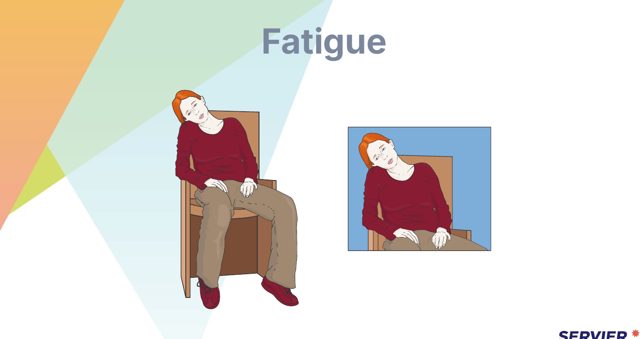
Fatigue is the commonest symptom in advanced illness and the one most often left unaddressed. Look for treatable contributors — anaemia, infection, depression, poor sleep, uncontrolled pain, hypercalcaemia, medication — then plan around it: prioritise what matters to the patient, group activities, plan rest before rather than after, and accept a smaller day rather than pushing for a normal one.
التعب أشيع أعراض المرض المتقدّم وأكثرها إهمالاً. يُبحَث عن عوامل مساهمة قابلة للعلاج — فقر دم، وعدوى، واكتئاب، وسوء نوم، وألم غير مضبوط، وفرط كالسيوم، وأدوية — ثم يُخطَّط حوله: تُرتَّب أولويات ما يهمّ المريض، وتُجمَع الأنشطة، ويُخطَّط للراحة قبل النشاط لا بعده، ويُقبَل يوم أصغر بدل السعي إلى يوم طبيعي.
Mouth care is a major comfort intervention, not a cosmetic one. A dry mouth causes thirst, difficulty speaking, poor taste, pain and infection, and it is one of the most effective ways of relieving the sensation of thirst in a dying patient. Offer frequent small sips or ice chips if safe, moisten with swabs, apply lip balm, clean gently, and treat oral thrush, which is very common and frequently missed.
العناية بالفم تدخّل رئيس لتوفير الراحة لا تدخّل تجميلي. فجفاف الفم يسبّب عطشاً وصعوبة كلام وسوء طعم وألماً وعدوى، والعناية بالفم من أكثر الطرق فاعلية لتخفيف إحساس العطش لدى مريض يحتضر. تُقدَّم رشفات صغيرة متكرّرة أو رقائق ثلج إن كان ذلك آمناً، ويُرطَّب الفم بالمسحات، ويُوضَع مرطّب للشفاه، ويُنظَّف برفق، ويُعالَج القلاع الفموي، فهو شائع جداً وكثير الإغفال.
Delirium is common near the end of life and is often reversible in its earlier stages. Look for the causes before sedating: uncontrolled pain, urinary retention, constipation, infection, hypoxia, dehydration, hypercalcaemia and drugs. Keep the environment calm, quiet and familiar, keep a family member present, correct sensory aids, and reorient gently without arguing.
الهذيان شائع قرب نهاية الحياة وكثيراً ما يكون قابلاً للعكس في مراحله الأبكر. يُبحَث عن الأسباب قبل التهدئة: ألم غير مضبوط، واحتباس بول، وإمساك، وعدوى، ونقص أكسجة، وجفاف، وفرط كالسيوم، وأدوية. وتُبقى البيئة هادئة قليلة الضجيج ومألوفة، ويُبقى أحد الأقارب حاضراً، وتُصحَّح المعينات الحسّية، ويُعاد التوجيه برفق دون جدال.
6.19 · Goals of Care and Advance Planning٦٫١٩ · أهداف الرعاية والتخطيط المسبق
A goals-of-care conversation establishes what matters to this patient — what he hopes for, what he fears, what he would find unacceptable, and what he would trade for what. It happens before a crisis rather than during one, and it is revisited as the illness changes, because a preference expressed when well may not hold when circumstances alter.
حديث أهداف الرعاية يحدّد ما يهمّ هذا المريض — ما يرجوه وما يخافه وما يراه غير مقبول وما يرضى بالتخلّي عنه مقابل ماذا. ويجري قبل الأزمة لا أثناءها، ويُعاد النظر فيه مع تغيّر المرض، فالتفضيل المعلن في حال الصحّة قد لا يثبت عند تغيّر الظروف.
Advance care planning records those wishes, and Chapter 01 covers the legal ground — capacity, advance directives, substitute decision-makers, and the fact that a DNR order refers only to cardiopulmonary resuscitation and never to withdrawing anything else. A patient with a valid DNR still receives analgesia, oxygen, antibiotics, fluids, comfort measures and every other appropriate treatment.
التخطيط المسبق للرعاية يوثّق تلك الرغبات، والفصل الأول يغطّي الأرضية النظامية — الأهلية والتوجيهات المسبقة وصنّاع القرار البدلاء، وأن أمر عدم الإنعاش يخصّ الإنعاش القلبي الرئوي وحده ولا يعني سحب أيّ شيء آخر أبداً. فالمريض ذو أمر عدم إنعاش صحيح يظلّ يتلقّى المسكّنات والأكسجين والمضادّات الحيوية والسوائل وتدابير الراحة وكلّ علاج مناسب آخر.
The nurse's contribution is substantial: she often hears the patient's real concerns first, at three in the morning rather than on the ward round. Record what he says in his own words, tell the team, and make sure the recorded wishes travel with him between wards and settings, because a plan nobody can find is a plan that does not exist.
إسهام الكادر التمريضي كبير: فهو غالباً أول من يسمع مخاوف المريض الحقيقية، في الثالثة فجراً لا في مرور الصباح. يُدوَّن ما يقوله بكلماته، ويُخبَر الفريق، ويُحرَص على أن ترافقه الرغبات المدوَّنة بين الأجنحة والمواقع، فالخطة التي لا يجدها أحد خطة غير موجودة.
6.20 · Recognising That a Patient Is Dying٦٫٢٠ · تمييز أن المريض يحتضر
Recognising it MATTERS because it CHANGES THE PLAN. It prompts a review of EVERY medication and EVERY observation, STOPPING what no longer serves the patient, CONVERTING essential drugs to a route that still works, and telling the family plainly — so they can be present, and so nobody is still checking a blood glucose four times a day in a dying man.
تمييز ذلك يهمّ لأنه يغيّر الخطة. فهو يستدعي مراجعة كلّ دواء وكلّ قياس، وإيقاف ما لم يعد يخدم المريض، وتحويل الأدوية الأساسية إلى طريق ما زال يعمل، وإخبار الأسرة بوضوح — لتكون حاضرة، وكي لا يظلّ أحد يقيس سكر الدم أربع مرّات يومياً لدى رجل يحتضر.
In the last hours: cool, mottled peripheries as circulation centralises, a weak thready pulse and falling blood pressure, irregular breathing often with Cheyne–Stokes cycles and lengthening apnoeic pauses, reduced urine output, and noisy respiratory secretions.
في الساعات الأخيرة: أطراف باردة مبقّعة مع تمركز الدوران، ونبض ضعيف خيطي وضغط هابط، وتنفّس غير منتظم بدورات شاين-ستوكس غالباً وفترات انقطاع تنفّس تطول، وقلّة إدرار البول، وإفرازات تنفّسية صاخبة.
Recognising it matters because it changes the plan: it prompts a review of every medication and every observation, stopping what no longer serves the patient, converting essential drugs to a route he can still receive, and — most importantly — telling the family clearly what is happening, so they can be present and prepared rather than surprised.
تمييزه مهمّ لأنه يغيّر الخطة: فيستدعي مراجعة كلّ دواء وكلّ قياس، وإيقاف ما لم يعد يخدم المريض، وتحويل الأدوية الضرورية إلى طريق ما زال يستطيع تلقّيه، والأهمّ — إخبار الأسرة بوضوح بما يحدث، ليكونوا حاضرين مستعدّين لا مفاجَئين.
6.21 · Care in the Last Days and Hours٦٫٢١ · الرعاية في الأيام والساعات الأخيرة
CARE OF THE FAMILY IS CARE OF THE PATIENT: tell them PLAINLY what is happening and what to expect; allow them to STAY; SHOW them what they can DO — moistening the mouth, holding a hand, talking to him — and tell them that HEARING is believed to persist. A family given something to do is a family who copes, and it is care the patient receives.
رعاية الأسرة رعاية للمريض: يُخبَرون بوضوح بما يحدث وما يُتوقَّع ويُسمَح لهم بالبقاء ويُوضَّح لهم ما يستطيعون فعله — ترطيب الفم والإمساك باليد والحديث إلى المريض — ويُخبَرون بأنه يُعتقد أن السمع يبقى. والأسرة التي يُتاح لها ما تفعله أسرة تتأقلم، وهذه رعاية يتلقّاها المريض.
Comfort is the whole of the nursing care: regular repositioning for comfort rather than to a fixed schedule, meticulous mouth care, eye care, continence care with dignity, a quiet unhurried environment, and continuing to speak to the patient and explain what you are doing, since hearing is widely held to persist late.
الراحة هي كامل الرعاية التمريضية: تغيير وضعية منتظم للراحة لا وفق جدول ثابت، وعناية فموية دقيقة، وعناية بالعينين، وعناية بالإخراج بكرامة، وبيئة هادئة غير مستعجلة، ومواصلة مخاطبة المريض وشرح ما يُجرى من إجراءات، إذ يُعتقد على نطاق واسع أن السمع يبقى إلى وقت متأخّر.
6.22 · Terminal Secretions and Terminal Agitation٦٫٢٢ · الإفرازات النهائية والهياج النهائي
Noisy respiratory secretions arise when a dying patient can no longer CLEAR SALIVA from the UPPER AIRWAY. Manage them by REPOSITIONING — usually on the side with the head slightly raised — and by antimuscarinic medication given EARLY, which dries new secretions but does not remove those already there.
الإفرازات التنفّسية الصاخبة تنشأ حين لا يعود المحتضر يستطيع إزالة اللعاب من المجرى الهوائي العلوي. ويُدبَّر ذلك بتغيير الوضعية — عادةً على الجنب مع رفع الرأس قليلاً — وبدواء مضادّ للمسكارين يُعطى مبكراً، وهو يجفّف الإفرازات الجديدة ولا يزيل الموجودة أصلاً.
فهو
مزعج
، ويحفّز مزيداً من الإفراز،
ونادراً ما يبلغ المصدر؛ ولذلك يزيد الصوت سوءاً ويزعج كلّ من يشاهد المريض.
: فصوت الإفرازات يزعج الأسرة أكثر بكثير ممّا يزعج المريض، وهو عادةً فاقد للوعي بعمق. وقول ذلك بوضوح ومراراً هو العلاج.
Suctioning is usually the wrong answer: it is distressing, it stimulates further secretion, and it rarely reaches the source. The most important intervention is often explaining to the family that the sound distresses them far more than it distresses the patient, who is usually deeply unconscious by this point.
الشفط عادةً الجواب الخاطئ: فهو مزعج ويحفّز مزيداً من الإفراز ونادراً ما يبلغ المصدر. وأهمّ التدخّلات غالباً شرح للأسرة أن الصوت يزعجهم أكثر بكثير ممّا يزعج المريض، وهو عادةً فاقد للوعي بعمق في هذه المرحلة.
Terminal agitation — restlessness, pulling at bedding, calling out, distress — is managed by excluding the reversible causes first: uncontrolled pain, a full bladder, constipation or faecal impaction, hypoxia, drug toxicity or withdrawal, and an unfamiliar frightening environment. Only when those are addressed is sedation appropriate, and it is given to relieve distress rather than to quieten the room.
الهياج النهائي — تململ وشدّ الأغطية والصياح والكرب — يُدبَّر باستبعاد الأسباب القابلة للعكس أولاً: ألم غير مضبوط، ومثانة ممتلئة، وإمساك أو انحشار برازي، ونقص أكسجة، وسمّية دوائية أو انسحاب، وبيئة غريبة مخيفة. وعندها فقط تكون التهدئة مناسبة، وتُعطى لتخفيف الكرب لا لإسكات الغرفة.
6.23 · Nutrition and Hydration at the End of Life٦٫٢٣ · التغذية والإماهة في نهاية الحياة
Reduced eating and drinking is PART OF the dying process rather than A CAUSE of it. The body is shutting down and no longer able to USE nutrition — and this is the point families find hardest, because feeding is how they have shown love all their lives.
قلّة الأكل والشرب جزء من عملية الاحتضار لا سبب لها. فالجسم في طور التوقّف عن العمل ولم يعد قادراً على الاستفادة من التغذية. وهذه أصعب نقطة على الأسر، لأن الإطعام هو الطريقة التي عبّروا بها عن حبّهم طوال حياتهم.
The evidence on artificial nutrition and hydration in the last days is that it generally does not prolong life or improve comfort, and it can add burden: increased respiratory secretions, peripheral and pulmonary oedema, vomiting, and the discomfort of a tube or a cannula. It is not withheld as a rule but decided individually, with the patient where possible and the family always.
الأدلّة حول التغذية والإماهة الاصطناعية في الأيام الأخيرة أنها لا تطيل الحياة ولا تحسّن الراحة عموماً، وقد تضيف عبئاً: زيادة الإفرازات التنفّسية، ووذمة طرفية ورئوية، وتقيّؤ، وانزعاج أنبوب أو قنية. وهي لا تُحجَب كقاعدة بل يُقرَّر فيها فردياً، مع المريض حيث أمكن ومع الأسرة دائماً.
What to say to a distressed family: he is not dying because he is not eating, he is not eating because he is dying; forcing food risks choking and aspiration and does not help; and the thirst he feels is relieved by mouth care, which they can do themselves and which genuinely helps. Offer whatever he wants by mouth for pleasure, in whatever quantity he manages.
ما يُقال لأسرة متكدّرة: هو لا يحتضر لأنه لا يأكل، بل لا يأكل لأنه يحتضر؛ والإجبار على تناول الطعام ينطوي على خطر الاختناق والاستنشاق ولا يفيد؛ والعطش الذي يشعر به تخفّفه العناية بالفم، وهي شيء يستطيعون فعله بأنفسهم وينفع فعلاً. ويُقدَّم ما يريده بالفم للمتعة بأيّ كمّية يتحمّلها.
6.24 · Care After Death٦٫٢٤ · الرعاية بعد الوفاة
Otherwise: care for the body with the same dignity and privacy as for a living patient, speaking respectfully throughout. Position and straighten the body before rigor develops, close the eyes and support the jaw, clean gently, cover wounds, and manage any leakage. Handle personal effects carefully, list them, and return them to the family in a way that is not distressing — never in a clinical waste bag.
وإلا: يُعتنى بالجثمان بالكرامة والخصوصية نفسها كمريض حيّ، مع الحديث باحترام طوال الوقت. ويُوضَع الجثمان ويُقوَّم قبل حدوث التيبّس، وتُغمَض العينان ويُدعَم الفكّ، ويُنظَّف برفق، وتُغطّى الجروح، ويُعالَج أيّ تسرّب. ويُتعامَل مع المتعلّقات الشخصية بعناية، وتُدرَج في قائمة، وتُعاد إلى الأسرة بطريقة غير مكدّرة — لا في كيس نفايات سريرية أبداً.
Ask the family what they need before you begin. Practices differ, and the requirements around washing, who may touch the body, positioning, timing and burial matter enormously to the family and are part of the care rather than an obstacle to it. Offer them time with the body, without hurrying them, and tell them what happens next.
يُسأل أفراد الأسرة عمّا يحتاجونه قبل البدء. فالممارسات تختلف، والمتطلّبات حول التغسيل ومن يجوز له لمس الجثمان والوضعية والتوقيت والدفن تعني للأسرة الكثير وهي جزء من الرعاية لا عائق أمامها. ويُتاح لهم وقت مع الجثمان دون استعجال، ويُخبَرون بما سيحدث بعد ذلك.
6.25 · End-of-Life Care in Saudi Practice٦٫٢٥ · رعاية نهاية الحياة في الممارسة السعودية
Religious practice at the bedside — recitation of the Qur'an, the presence of family for the final moments, encouraging the shahada where the patient is able, and positioning the patient facing the qibla where that is practicable — is accommodated as part of the care. Ask the family what they wish rather than assuming, and give them privacy for it.
الممارسة الدينية عند السرير — تلاوة القرآن، وحضور الأسرة اللحظات الأخيرة، وتلقين الشهادة حيث يستطيع المريض، وتوجيه المريض نحو القبلة حيث أمكن — تُلبّى كجزء من الرعاية. تُسأل الأسرة عمّا ترغب فيه بدل الافتراض، وتُمنح خصوصية لذلك.
After death, burial is normally without delay, so anything that would hold the body — paperwork, a delayed certificate, an unnecessary transfer — should be anticipated and expedited rather than discovered at the last moment. Ghusl, the ritual washing, is performed by family members or designated persons of the same gender as the deceased, followed by shrouding. Chapter 01 covers organ donation and the conditions attached to it.
بعد الوفاة، يكون الدفن عادةً دون تأخير، فكلّ ما يحبس الجثمان — أوراق أو شهادة متأخّرة أو نقل غير لازم — ينبغي توقّعه وتعجيله لا اكتشافه في آخر لحظة. والغُسل، أي الغسل الشعائري، يقوم به أفراد الأسرة أو أشخاص محدّدون من الجنس نفسه للمتوفّى، ثم التكفين. والفصل الأول يغطّي التبرّع بالأعضاء وشروطه.
6.26 · Grief and Bereavement٦٫٢٦ · الحزن والفجيعة
The Kübler-Ross stages — denial, anger, bargaining, depression, acceptance — are a useful vocabulary and a poor timetable. People do not pass through them in order, do not experience all of them, and move back and forth. Using them to judge whether someone is grieving "correctly" is a misuse of the model.
مراحل كوبلر-روس — الإنكار والغضب والمساومة والاكتئاب والقبول — مفردات نافعة وجدول زمني رديء. فالناس لا يمرّون بها بالترتيب، ولا يختبرونها جميعاً، ويتنقّلون ذهاباً وإياباً. واستخدامها للحكم على ما إذا كان أحدهم يحزن «بشكل صحيح» إساءة استخدام للنموذج.
Anticipatory grief is grief experienced before the loss has happened, and both patients and families feel it. It is normal, it does not mean the person has given up, and it does not reduce grief after the death. Complicated or prolonged grief is grief that remains intense and disabling well beyond what is expected and warrants referral.
الحزن الاستباقي حزن يُختبَر قبل وقوع الفقد، ويشعر به المرضى والأسر معاً. وهو طبيعي، ولا يعني أن الشخص استسلم، ولا يقلّل الحزن بعد الوفاة. أما الحزن المعقّد أو المطوَّل فحزن يبقى شديداً معطِّلاً بعد المتوقّع بكثير ويستوجب إحالة.
Responding to a bereaved person: presence outweighs words. Say you are sorry, use the person's name, allow silence and tears, and resist explaining. Chapter 03 covers this and the phrases to avoid — "he's at peace now", "at least he didn't suffer", "you must be strong", "I know how you feel" — all of which are heard as dismissal however kindly meant.
الاستجابة للمفجوع: الحضور يفوق الكلام. يُعبَّر عن الأسف، ويُستخدم اسم الشخص المفجوع، ويُسمَح بالصمت والدموع، ويُقاوَم الميل إلى الشرح. والفصل الثالث يغطّي ذلك والعبارات الواجب تجنّبها — «هو في راحة الآن»، «على الأقلّ لم يتألّم»، «عليك أن تكون قوياً»، «أعرف شعورك» — وكلّها تُسمع استخفافاً مهما حسنت النيّة.
6.27 · Looking After the Nurse٦٫٢٧ · العناية بالكادر التمريضي نفسه
COMPASSION FATIGUE is the emotional exhaustion that follows REPEATED EXPOSURE to other people’s suffering.
إجهاد الرحمة هو الإنهاك العاطفي الذي يتبع التعرّض المتكرّر لمعاناة الآخرين.
It sits alongside moral distress, covered in Chapter 01 — knowing the right action and being prevented from taking it — and the two compound each other in end-of-life care, where both are common.
إنه يقف إلى جانب الكرب الأخلاقي المشروح في الفصل الأول — معرفة الفعل الصحيح مع المنع منه — ويفاقم أحدهما الآخر في رعاية نهاية الحياة حيث يشيع كلاهما.
What helps is unglamorous and known: debriefing after a difficult death, naming what happened rather than moving straight to the next patient, peer support, supervision, keeping boundaries, sleep, and taking the leave you are owed. If it is affecting your work or your health, occupational health and employee support exist for exactly this, and using them is not an admission of failure.
ما يفيد غير براق ومعروف: الاستخلاص بعد وفاة صعبة، وتسمية ما حدث بدل الانتقال مباشرةً للمريض التالي، ودعم الأقران، والإشراف، والحفاظ على الحدود، والنوم، وأخذ الإجازة المستحقّة. وإن كان الأمر يؤثّر على العمل أو الصحّة، فالصحّة المهنية ودعم الموظّفين موجودان لهذا بالضبط، واللجوء إليهما ليس اعترافاً بالفشل.
Test yourselfالاختبار الذاتي
Loading… جارٍ التحميل…
Loading… جارٍ التحميل…
Loading… جارٍ التحميل…