
Infection Control, Safety & Medication Administration
In this chapterفي هذا الفصل
Chapter outline (36 sections)مخطط الفصل
- Learning Objectivesأهداف التعلّم
- 5.1 · The Chain of Infection٥٫١ · سلسلة العدوى
- 5.2 · Breaking the Chain٥٫٢ · كسر السلسلة
- 5.3 · Hand Hygiene: The Five Moments٥٫٣ · نظافة اليدين: اللحظات الخمس
- 5.4 · Alcohol Rub or Soap and Water٥٫٤ · مطهّر كحولي أم ماء وصابون
- 5.5 · Standard Precautions٥٫٥ · الاحتياطات القياسية
- 5.6 · Contact Precautions٥٫٦ · احتياطات التماسّ
- 5.7 · Droplet Precautions٥٫٧ · احتياطات الرذاذ
- 5.8 · Airborne Precautions٥٫٨ · احتياطات الهواء
- 5.9 · Protective Isolation٥٫٩ · العزل الوقائي
- 5.10 · Personal Protective Equipment٥٫١٠ · معدّات الوقاية الشخصية
- 5.11 · Medical and Surgical Asepsis٥٫١١ · التعقيم الطبي والجراحي
- 5.12 · Sharps and Blood-Borne Exposure٥٫١٢ · الحادّات والتعرّض المنقول بالدم
- 5.13 · Clinical Waste, Linen and Specimens٥٫١٣ · النفايات السريرية والبياضات والعيّنات
- 5.14 · Device-Associated Infection٥٫١٤ · العدوى المرتبطة بالأجهزة
- 5.15 · Resistant Organisms and Stewardship٥٫١٥ · الكائنات المقاومة وترشيد استخدام مضادّات الميكروبات
- 5.16 · Infection Control in the Saudi Setting٥٫١٦ · مكافحة العدوى في السياق السعودي
- 5.17 · Falls Prevention٥٫١٧ · الوقاية من السقوط
- 5.18 · Restraints in Practice٥٫١٨ · التقييد في الممارسة
- 5.19 · Fire and Environmental Safety٥٫١٩ · سلامة الحريق والبيئة
- 5.20 · Latex Allergy٥٫٢٠ · حساسية اللاتكس
- 5.21 · Pre-operative Preparation and Surgical Safety٥٫٢١ · التحضير لما قبل الجراحة وسلامة الجراحة
- 5.22 · Pressure Injury Prevention٥٫٢٢ · الوقاية من إصابات الضغط
- 5.23 · Safe Patient Handling٥٫٢٣ · المناولة الآمنة للمرضى
- 5.24 · The Rights of Medication Administration٥٫٢٤ · حقوق إعطاء الدواء
- 5.25 · Medication Storage and Stock Control٥٫٢٥ · تخزين الأدوية وضبط المخزون
- 5.26 · Reading and Clarifying an Order٥٫٢٦ · قراءة الأمر وتوضيحه
- 5.27 · High-Alert Medications٥٫٢٧ · الأدوية عالية الخطورة
- 5.28 · Look-Alike Names and Unsafe Abbreviations٥٫٢٨ · الأسماء المتشابهة والاختصارات غير الآمنة
- 5.29 · Oral and Enteral Routes٥٫٢٩ · الطريق الفموي والمعوي
- 5.30 · Injections: Sites, Angles and Volumes٥٫٣٠ · الحقن: المواقع والزوايا والحجوم
- 5.31 · Intravenous Administration٥٫٣١ · الإعطاء الوريدي
- 5.32 · Blood and Blood Product Administration٥٫٣٢ · إعطاء الدم ومشتقّاته
- 5.33 · Controlled Drugs٥٫٣٣ · الأدوية المراقَبة
- 5.34 · When a Medication Error Happens٥٫٣٤ · عند وقوع خطأ دوائي
- 5.35 · Dosage Calculation٥٫٣٥ · حساب الجرعات
Start learningبدء التعلّم Learning objectivesأهداف التعلّم Key termsالمصطلحات الأساسية Test yourselfالاختبار الذاتي
Learning Objectivesأهداف التعلّم
5.1 · The Chain of Infection٥٫١ · سلسلة العدوى
Infection needs SIX LINKS, and it STOPS if ANY ONE is broken.
العدوى تحتاج ستّ حلقات وتتوقّف إن انكسرت أيّ واحدة.
The mode of transmission — contact, droplet, airborne, vehicle or vector. The portal of entry — broken skin, mucous membranes, an intravenous line, a urinary catheter. The susceptible host — anyone whose defences are reduced by age, illness, immunosuppression, malnutrition or an invasive device.
طريق الانتقال — تماسّ أو رذاذ أو هواء أو ناقل جامد أو ناقل حيّ. ومنفذ الدخول — جلد متضرّر أو أغشية مخاطية أو خطّ وريدي أو قسطرة بولية. والمضيف القابل — كلّ من قلّت دفاعاته بالعمر أو المرض أو كبت المناعة أو سوء التغذية أو جهاز باضع.
5.2 · Breaking the Chain٥٫٢ · كسر السلسلة
Aseptic technique, wound care and removing unnecessary devices close the portal of entry. Immunisation, nutrition and treating underlying disease reduce host susceptibility. Antimicrobial treatment attacks the agent itself, and it is the link that carries the cost of resistance.
التقنية المعقّمة والعناية بالجروح ونزع الأجهزة غير اللازمة تُغلق منفذ الدخول. والتطعيم والتغذية وعلاج المرض الكامن تقلّل قابلية المضيف. والعلاج بمضادّات الميكروبات يهاجم العامل نفسه، وهي الحلقة التي تحمل كلفة المقاومة.
5.3 · Hand Hygiene: The Five Moments٥٫٣ · نظافة اليدين: اللحظات الخمس
Technique matters as much as timing. Alcohol rub needs enough product to keep the hands WET for the FULL rub — covering palms, backs, between fingers, THUMBS, FINGERTIPS and wrists, until dry. Thumbs and fingertips are the two areas most consistently missed, and the fingertips are the part that touches the patient.
التقنية تهمّ بقدر التوقيت. ويحتاج الفرك الكحولي إلى كمّية كافية تُبقي اليدين رطبتين طوال مدّة الفرك كاملةً — مع تغطية الراحتين وظهر اليدين وما بين الأصابع والإبهامين وأطراف الأصابع والمعصمين — حتى الجفاف. والإبهامان وأطراف الأصابع أكثر منطقتين تُغفَلان باستمرار، وأطراف الأصابع هي الجزء الذي يلامس المريض.
GLOVES ARE NOT A SUBSTITUTE FOR HAND HYGIENE. Hands are decontaminated BEFORE putting gloves on and AGAIN after taking them off — because gloves develop micro-perforations, and hands are contaminated during removal. A nurse who moves between patients in the same gloves has transmitted more than one who wore none.
القفّازات ليست بديلاً عن نظافة اليدين. فتُطهَّر اليدان قبل ارتداء القفّازات ومرّةً أخرى بعد نزعها — لأن القفّازات تتطوّر فيها ثقوب مجهرية، ولأن اليدين تتلوّثان أثناء النزع. ومن ينتقل بين المرضى بالقفّازات نفسها ينقل العدوى أكثر ممّن لم يرتدِ قفّازات أصلاً.
5.4 · Alcohol Rub or Soap and Water٥٫٤ · مطهّر كحولي أم ماء وصابون
- FASTERأسرع
- More effective against MOST organismsأكثر فعالية ضدّ معظم الكائنات
- KINDER to the skin than repeated washingألطف على الجلد من الغسل المتكرّر
- Available at the point of careمتوفّر عند نقطة الرعاية
- So it is what you use most of the timeلهذا هو ما يُستخدم معظم الوقت
- Hands are VISIBLY SOILED — alcohol is ineffective on soiled handsعندما تكون اليدان متّسختين بشكل ظاهر — الكحول غير فعّال على اليدين المتّسختين
- After caring for CLOSTRIDIOIDES DIFFICILE or a suspected SPORE-FORMER — alcohol does NOT kill sporesبعد رعاية مريض بجرثومة المطثية العسيرة أو مُكوِّن أبواغ مشتبه به — الكحول لا يقتل الأبواغ
- In a NOROVIRUS outbreakفي تفشٍّ للنوروفيروس
- After using the toiletبعد استخدام المرحاض
- And the mechanical action is what removes spores — not the soapوالحركة الميكانيكية هي ما يُزيل الأبواغ — لا الصابون
Soap and water is required when hands are visibly soiled; after caring for a patient with Clostridioides difficile or a suspected spore-forming organism; in a norovirus outbreak; after using the toilet; and before eating. The mechanical action of washing physically removes spores that alcohol leaves behind.
يلزم الماء والصابون حين تكون اليدان متّسختين بشكل ظاهر؛ وبعد رعاية مريض بالمطثيّة العسيرة أو كائن مُبوِّغ مشتبه به؛ وفي تفشٍّ للنوروفيروس؛ وبعد استخدام المرحاض؛ وقبل الأكل. فالفعل الميكانيكي للغسل يُزيل فيزيائياً الأبواغ التي يتركها الكحول.
5.5 · Standard Precautions٥٫٥ · الاحتياطات القياسية
STANDARD PRECAUTIONS apply to EVERY patient, at EVERY contact, REGARDLESS of diagnosis or presumed infection status. They exist because you CANNOT KNOW who is infectious, and a patient may be carrying and transmitting before anyone has tested him.
تنطبق الاحتياطات القياسية على كلّ مريض في كلّ تماسّ، بغضّ النظر عن التشخيص أو حالة العدوى المفترضة. فهي موجودة لأنه لا يمكن معرفة من هو مُعدٍ، وقد يكون المريض حاملاً للعدوى وناقلاً لها قبل أن يُجرى له أيّ فحص.
They cover blood, all body fluids, secretions and excretions except sweat, non-intact skin and mucous membranes, and they include hand hygiene, gloves and other PPE according to the anticipated exposure, safe sharps handling, respiratory hygiene and cough etiquette, safe injection practice, cleaning and disinfection, and safe handling of linen and waste.
تغطّي الدم وكلّ سوائل الجسم والإفرازات والفضلات عدا العرق، والجلد غير السليم، والأغشية المخاطية، وتشمل نظافة اليدين والقفّازات وبقية معدّات الوقاية بحسب التعرّض المتوقّع، والتعامل الآمن مع الحادّات، ونظافة الجهاز التنفّسي وآداب السعال، وممارسة الحقن الآمنة، والتنظيف والتطهير، والتعامل الآمن مع البياضات والنفايات.
Transmission-based precautions are added on top when a specific organism or route is known or suspected. They never replace standard precautions — the two run together.
احتياطات انتقال العدوى تُضاف فوقها حين يكون كائن أو طريق محدّد معلوماً أو مشتبهاً. وهي لا تحلّ محلّ الاحتياطات القياسية أبداً — بل يسريان معاً.
5.6 · Contact Precautions٥٫٦ · احتياطات التماسّ
- GOWN and GLOVES on ENTERING the roomرداء واقٍ وقفازات عند الدخول إلى الغرفة
- Single room, or cohorting with the same organismغرفة مفردة، أو تجميع المرضى المصابين بالكائن نفسه
- DEDICATED equipment — stethoscope, thermometer, cuffمعدّات مخصّصة — سمّاعة، ميزان حرارة، كُفّة
- Removed before leaving the roomتُنزَع قبل مغادرة الغرفة
- MRSA, VREالمكوّرة العنقودية الذهبية المقاومة للميثيسيلين، المكوّرة المعوية المقاومة للفانكومايسين
- Clostridioides difficileالمطثية العسيرة
- Scabiesالجرب
- Respiratory syncytial virusالفيروس المخلوي التنفّسي
- Multidrug-resistant Gram-negative organismsالكائنات سلبية الغرام متعدّدة المقاومة
- For C. difficile ADD soap-and-water hand hygiene and a sporicidal cleaning agent — alcohol will not do itللمطثية العسيرة يُضاف غسل اليدين بالماء والصابون ومادة تنظيف مُبيدة للأبواغ — الكحول لا يكفي
Typical organisms: MRSA, VRE, Clostridioides difficile, scabies, respiratory syncytial virus, and multidrug-resistant Gram-negative organisms. For C. difficile, add soap and water hand washing and a sporicidal cleaning agent, since alcohol will not do it.
كائنات نموذجية: المكوّرة العنقودية الذهبية المقاومة للميثيسيلين، والمكوّرة المعوية المقاومة للفانكومايسين، والمطثيّة العسيرة، والجرب، والفيروس المخلوي التنفّسي، والكائنات سلبية الغرام متعدّدة المقاومة. وللمطثيّة العسيرة يُضاف غسل اليدين بالماء والصابون ومنظّف قاتل للأبواغ، فالكحول لا يفي بالغرض.
5.7 · Droplet Precautions٥٫٧ · احتياطات الرذاذ
- Droplets are LARGE, travel roughly 1–2 metresالرذاذ كبير الحجم، ينتقل مسافة متر إلى مترين تقريباً
- and FALL to surfaces rather than staying suspendedويسقط على الأسطح بدل أن يبقى معلّقاً
- SURGICAL MASK when working within that distanceكمامة جراحية عند العمل ضمن تلك المسافة
- Single room or cohorting; door may stay openغرفة مفردة أو تجميع؛ يمكن أن يبقى الباب مفتوحاً
- Patient wears a surgical mask when movedيرتدي المريض كمامة جراحية عند نقله
- Particles are SMALL, STAY SUSPENDED and travel on air currentsالجسيمات صغيرة، تبقى معلّقة وتنتقل مع تيارات الهواء
- So distance and a surgical mask are NOT enoughلذا لا تكفي المسافة والكمامة الجراحية
- FIT-TESTED N95 or FFP RESPIRATORكمّامة تنفّسية N95 أو FFP مُختبَرة الإحكام
- Airborne infection isolation room — NEGATIVE pressure, door CLOSEDغرفة عزل العدوى المنقولة جوّاً — ضغط سالب، والباب مغلق
- Patient wears a SURGICAL mask during transfer — not a respiratorيرتدي المريض كمامة جراحية أثناء النقل — لا كمّامة تنفّسية
- INFLUENZAالإنفلونزا
- Pertussisالسعال الديكي
- Meningococcal meningitisالتهاب السحايا بالمكوّرات السحائية
- Mumps, rubella, diphtheriaالنكاف والحصبة الألمانية والخُناق
- Group A streptococcusالمكوّرات العقدية من المجموعة A
- Influenza is the one most often MISTAKEN for airborne — it is DROPLETالإنفلونزا أكثر ما يُخلط بينها وبين المنقول جوّاً — وهي رذاذية
- Pulmonary TUBERCULOSISالسلّ الرئوي
- MEASLESالحصبة
- VARICELLA or disseminated herpes zosterالحماق أو الحلأ النطاقي المنتشر
- Varicella needs CONTACT precautions AS WELL — because of the vesicle fluidالحماق يحتاج احتياطات التماسّ أيضاً — بسبب سائل الحويصلات
- Learn this classic exam list; a few other agents, such as smallpox and SARS, also need airborne precautionsتُحفَظ هذه القائمة الكلاسيكية للاختبار؛ وتتطلّب بضعة عوامل أخرى، مثل الجدري والمتلازمة التنفسية الحادة الوخيمة (سارس)، احتياطات الهواء أيضاً
Typical organisms: influenza, pertussis, meningococcal meningitis, mumps, rubella, diphtheria and group A streptococcus. Influenza is the one most often mistaken for an airborne organism in exams — it is droplet.
كائنات نموذجية: الإنفلونزا والسعال الديكي والتهاب السحايا بالمكوّرة السحائية والنكاف والحصبة الألمانية والخنّاق والمكوّرات العقدية من المجموعة A. والإنفلونزا أكثر ما يُخلط بينها وبين الكائنات المنقولة جوّاً في الاختبارات — وهي رذاذية.
5.8 · Airborne Precautions٥٫٨ · احتياطات الهواء
Airborne particles are small, stay suspended and travel on air currents, so distance and a surgical mask are not enough. Requirements: a fit-tested N95 or FFP respirator, an airborne infection isolation room at negative pressure with the door kept closed and a high rate of air exchange, and limiting the number of staff entering.
الجسيمات المنقولة جوّاً صغيرة وتبقى معلّقة وتنتقل مع تيّارات الهواء، فالمسافة والكمّامة الجراحية لا تكفيان. والمتطلّبات: كمّامة تنفّسية N95 أو FFP مُختبَرة الإحكام، وغرفة عزل عدوى هوائية بضغط سالب يبقى بابها مغلقاً وبمعدّل تبديل هواء مرتفع، وتحديد عدد الطاقم الداخل.
Typical organisms: pulmonary tuberculosis, measles, and varicella or disseminated herpes zoster — varicella needing contact precautions as well because of the vesicle fluid. During transport the patient wears a surgical mask, not a respirator, because the mask contains what he exhales and a respirator is designed to protect the wearer instead.
كائنات نموذجية: السلّ الرئوي والحصبة والحماق أو الحلأ النطاقي المنتشر — والحماق يحتاج احتياطات تماسّ أيضاً بسبب سائل الحويصلات. وأثناء النقل يرتدي المريض كمّامة جراحية لا كمّامة تنفّسية، لأن الكمّامة تحتوي ما يزفره، والكمّامة التنفّسية مصمّمة لحماية مرتديها بدل ذلك.
5.9 · Protective Isolation٥٫٩ · العزل الوقائي
PROTECTIVE ISOLATION — also called neutropenic or reverse isolation — protects the PATIENT FROM THE ENVIRONMENT, rather than protecting the environment from the patient. The direction is reversed, and that is the whole examined point.
العزل الوقائي — أو عزل قلّة العدلات أو العزل العكسي — يحمي المريض من البيئة لا البيئة من المريض. فالاتجاه معكوس، وهذه هي نقطة الاختبار كلّها.
Requirements: a single room at positive pressure with filtered air, meticulous hand hygiene by everyone entering, no visitors or staff with any infection, no fresh flowers or potted plants, and in some units restrictions on uncooked foods. Staff wear PPE to protect the patient rather than themselves.
المتطلّبات: غرفة منفردة بضغط موجب بهواء مُرشَّح، ونظافة يدين دقيقة من كلّ داخل، ومنع الزوّار أو الطاقم المصابين بأيّ عدوى، ومنع الزهور الطازجة والنباتات المزروعة، وفي بعض الوحدات قيود على الأطعمة غير المطهوّة. ويرتدي الطاقم معدّات الوقاية لحماية المريض لا حماية أنفسهم.
5.10 · Personal Protective Equipment٥٫١٠ · معدّات الوقاية الشخصية
- 1. HAND HYGIENE1. نظافة اليدين
- 2. GOWN2. الرداء الواقي
- 3. MASK or RESPIRATOR3. الكمّامة أو الكمّامة التنفّسية
- 4. EYE PROTECTION4. حماية العين
- 5. GLOVES LAST — pulled OVER the gown cuffs5. القفازات أخيراً — تُسحَب فوق أكمام الرداء الواقي
- The order builds outward so nothing already on is disturbedالترتيب يبني من الداخل للخارج حتى لا يُزعزَع ما وُضِع بالفعل
- 1. GLOVES FIRST — the most contaminated item1. القفازات أولاً — العنصر الأكثر تلوّثاً
- 2. EYE PROTECTION2. حماية العين
- 3. GOWN — rolled AWAY from the body, contaminated side INWARD3. الرداء الواقي — تُلَفّ بعيداً عن الجسم، الجانب المتلوّث للداخل
- 4. HAND HYGIENE4. نظافة اليدين
- 5. MASK or RESPIRATOR LAST — and OUTSIDE the room5. الكمّامة أو الكمّامة التنفّسية أخيراً — وخارج الغرفة
- 6. HAND HYGIENE again6. نظافة اليدين مجدداً
The principle behind BOTH sequences: remove the DIRTIEST item FIRST, and remove the RESPIRATORY protection LAST and OUTSIDE the room — because the air inside is what it is protecting you from. Taking the mask off at the bedside undoes everything else you did.
المبدأ وراء التسلسلين: يُنزع العنصر الأشدّ تلوّثاً أولاً، وتُنزع الحماية التنفّسية أخيراً وخارج الغرفة — لأن الهواء في الداخل هو ما تحمي منه. فنزع الكمّامة عند سرير المريض يُبطل كلّ ما سبقه من إجراءات.
Doffing: gloves first, because they are the most contaminated item; then eye protection; then gown, rolled away from the body with the contaminated side inward; then hand hygiene; then leave the room and remove the mask or respirator last, handling only the ties or elastic; then hand hygiene again.
النزع: القفّازات أولاً، فهي الأكثر تلوّثاً؛ ثم واقي العينين؛ ثم الرداء الواقي ملفوفاً بعيداً عن الجسم بحيث يكون الجانب الملوّث إلى الداخل؛ ثم نظافة اليدين؛ ثم مغادرة الغرفة ونزع الكمّامة أو الكمّامة التنفّسية أخيراً بالإمساك بالأربطة أو المطّاط فقط؛ ثم نظافة اليدين مرّةً أخرى.
5.11 · Medical and Surgical Asepsis٥٫١١ · التعقيم الطبي والجراحي
- REDUCES the number of organisms and prevents their spreadيُقلّل عدد الكائنات ويمنع انتشارها
- Hand hygiene, cleaning, disinfectionنظافة اليدين والتنظيف والتطهير
- NON-STERILE glovesقفازات غير معقّمة
- Used for most routine careتُستخدم لمعظم الرعاية الروتينية
- ELIMINATES all organisms including SPORESيُقضي على جميع الكائنات بما فيها الأبواغ
- Required for anything ENTERING A STERILE BODY CAVITY or BREAKING THE SKINمطلوب لأيّ إجراء يدخل تجويفاً معقّماً في الجسم أو يخترق الجلد
- Urinary catheterisation; IV and central line insertionقسطرة بولية؛ إدخال خط وريدي وخط مركزي
- Injections; sterile dressing changes; any invasive procedureالحقن؛ تغيير الضمادات المعقّمة؛ أيّ إجراء باضع
Surgical asepsis is required for anything entering a sterile body cavity or breaking the skin: urinary catheterisation, intravenous and central line insertion, injections, sterile dressing changes, lumbar puncture, and all operative procedures.
التعقيم الجراحي لازم لكلّ ما يدخل تجويفاً معقّماً أو يخترق الجلد: القسطرة البولية، وتركيب القثاطر الوريدية والمركزية، والحقن، وتغيير الضمادات المعقّمة، والبزل القطني، وكلّ الإجراءات الجراحية.
Sterile field rules: only sterile touches sterile; the outer 2.5 cm border is contaminated; anything below waist level or out of your line of sight is contaminated; moisture wicks contamination through a drape; do not reach across the field; and never turn your back on it.
قواعد الحقل المعقّم: المعقّم لا يلامس إلا المعقّم؛ والحافّة الخارجية بعرض ٢٫٥ سم ملوّثة؛ وكلّ ما هو تحت مستوى الخصر أو خارج مجال النظر ملوّث؛ والرطوبة تسحب التلوّث عبر الغطاء؛ ولا تُمَدّ اليد فوق الحقل؛ ولا يُدار الظهر له أبداً.
5.12 · Sharps and Blood-Borne Exposure٥٫١٢ · الحادّات والتعرّض المنقول بالدم
After a needlestick, the first action is at the site: wash the wound with soap and running water, encourage gentle bleeding, and do not scrub or apply bleach or antiseptic solutions to the wound. For a mucous membrane or eye splash, irrigate immediately with water or saline.
بعد وخز إبرة، أول إجراء يكون في الموقع: يُغسَل الجرح بالماء الجاري والصابون، ويُشجَّع نزف لطيف، ولا يُفرَك الجرح ولا يوضع عليه مبيّض أو محاليل مطهّرة. وفي حال تناثر سائل على غشاء مخاطي أو العين، يُشطَف فوراً بالماء أو المحلول الملحي.
Then report immediately through the exposure protocol — occupational health or the emergency department out of hours. Timing matters: source testing and, where indicated, post-exposure prophylaxis are most effective within hours, and delay is the commonest reason prophylaxis is missed. Complete an incident report.
ثم يُبلَّغ فوراً عبر بروتوكول التعرّض — الصحّة المهنية أو الطوارئ خارج الدوام. والتوقيت مهمّ: ففحص المصدر، وعند الاستطباب الوقاية بعد التعرّض، أكثر فعاليةً خلال ساعات، والتأخير أشيع سبب لتفويت الوقاية. ويُستكمل تقرير الحادثة.
5.13 · Clinical Waste, Linen and Specimens٥٫١٣ · النفايات السريرية والبياضات والعيّنات
Waste is segregated at the point it is generated, not sorted later. Sharps go into a rigid puncture-resistant container at the bedside; infectious and clinical waste goes into the designated colour-coded bag; cytotoxic and pharmaceutical waste is separated again; and general domestic waste stays out of the clinical stream. Colour codes are set by local and national policy, so learn the scheme your facility uses rather than assuming a universal one.
تُفرز النفايات عند نقطة توليدها لا أن تُصنَّف لاحقاً. فالحادّات في حاوية صلبة مقاومة للثقب عند السرير؛ والنفايات المعدية والسريرية في الكيس المُلوَّن المخصّص؛ والنفايات السامّة للخلايا والنفايات الدوائية تُفصل مرّةً أخرى؛ والنفايات المنزلية العامّة تبقى خارج المسار السريري. ورموز الألوان تحدّدها السياسة المحلّية والوطنية، فيجب التعرّف إلى النظام المعتمد في المنشأة بدل افتراض نظام عالمي واحد.
Two rules that hold everywhere: never overfill a container or a bag — seal at the marked line and around three quarters for sharps — and never decant waste from one container into another, which is where injuries and spills happen. Bags are sealed, labelled with their origin where policy requires, and carried by the neck rather than held against the body.
قاعدتان تسريان في كلّ مكان: لا تُملأ حاوية أو كيس فوق طاقته — يُغلق عند الخطّ المعلَّم وعند نحو ثلاثة أرباع السعة للحادّات — ولا تُفرَّغ النفايات من حاوية إلى أخرى أبداً، فهناك تقع الإصابات والانسكابات. وتُغلق الأكياس وتُوسَم بمصدرها حيث تشترط السياسة، وتُحمل من العنق لا ملتصقة بالجسم.
Used linen is handled as little as possible: never shaken out, never placed on the floor or on another patient's bed, never carried against your uniform, and bagged at the bedside in the designated bag. Linen soiled with body fluids goes into the infectious stream.
البياضات المستعملة تُتداوَل بأقلّ قدر ممكن: لا تُنفَض أبداً، ولا تُوضع على الأرض ولا على سرير مريض آخر، ولا تُحمل ملتصقةً بالزيّ، وتُوضع في الكيس المخصّص عند السرير. والبياضات الملوّثة بسوائل الجسم تُوجَّه إلى المسار المعدي.
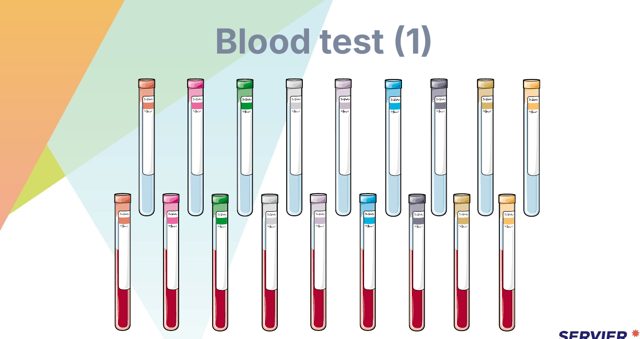
Specimens are labelled at the bedside, in the patient's presence, after the sample is taken — never pre-labelled and never labelled at the desk. The label carries two patient identifiers, the date, the time and the site or type. Place the sample in the sealed compartment of the transport bag and the request form in the separate pocket, so a leak does not destroy the form. Take blood cultures before antibiotics where that will not delay treatment, cleaning the skin and allowing it to dry fully first.
العيّنات تُوسَم عند سرير المريض بحضوره بعد أخذ العيّنة — لا تُوسَم مسبقاً ولا عند المكتب أبداً. ويحمل الملصق معرّفين للمريض والتاريخ والوقت والموقع أو النوع. وتُوضَع العيّنة في الجيب المُحكم من كيس النقل ونموذج الطلب في الجيب المنفصل، كي لا يُتلف تسريبٌ النموذجَ. وتؤخذ مزارع الدم قبل المضادات الحيوية حيث لا يؤخّر ذلك العلاج، مع تنظيف الجلد وتركه يجفّ تماماً أولاً.
5.14 · Device-Associated Infection٥٫١٤ · العدوى المرتبطة بالأجهزة
Many healthcare-associated infections follow the use of a device. Catheter-associated urinary tract infection: insert only when genuinely indicated, use sterile technique, keep the system closed, keep the bag below bladder level and off the floor, secure the catheter, and — the single most effective measure — review daily and remove it as soon as it is not needed.
كثير من العدوى المرتبطة بالرعاية الصحّية تتبع استخدام جهاز. عدوى الجهاز البولي المرتبطة بالقسطرة: تُركَّب القسطرة فقط عند وجود استطباب حقيقي، وبتقنية معقّمة، ويُبقى النظام مغلقاً، ويكون الكيس تحت مستوى المثانة وبعيداً عن الأرض، وتُثبَّت القسطرة، وأكثر الإجراءات فعالية على الإطلاق — المراجعة اليومية ونزعها فور انتفاء الحاجة.
Central line-associated bloodstream infection: full aseptic technique with maximal barrier precautions at insertion, chlorhexidine skin preparation, scrub the hub before every access, dressing care, and daily review of whether the line is still needed.
عدوى مجرى الدم المرتبطة بالقسطرة المركزية: تقنية معقّمة كاملة بحواجز قصوى عند التركيب، وتحضير الجلد بالكلورهيكسيدين، وتنظيف المدخل قبل كلّ استخدام، والعناية بالضماد، ومراجعة يومية لتقرير ما إذا كان الخطّ لا يزال لازماً.
Ventilator-associated pneumonia: head of bed elevated 30 to 45 degrees unless contraindicated, regular oral care with toothbrushing (chlorhexidine is no longer routinely recommended; follow local policy), daily assessment of readiness to wean, and avoiding unnecessary breaks in the circuit. Surgical site infection: timely prophylactic antibiotics, glucose control, normothermia, and hair removal by clipping rather than shaving.
الالتهاب الرئوي المرتبط بجهاز التنفّس الاصطناعي: رفع رأس السرير ٣٠ إلى ٤٥ درجة ما لم يكن هناك مضادّ استطباب، وعناية فموية منتظمة بتفريش الأسنان (لم يعد الكلورهيكسيدين موصىً به روتينياً؛ ويُتَّبع ما تقرّه السياسة المحلّية)، وتقييم يومي للاستعداد للفطام، وتجنّب فتح الدارة دون داعٍ. وعدوى موقع الجراحة: مضادات حيوية وقائية في وقتها، وضبط سكّر الدم، والحفاظ على حرارة الجسم الطبيعية، وإزالة الشعر بالقصّ لا بالحلاقة.
هل ما زال هذا الجهاز لازماً؟ فإزالته أكثر فعالية من أيّ عنصر في الحزمة الوقائية يُبقيه في مكانه.
5.15 · Resistant Organisms and Stewardship٥٫١٥ · الكائنات المقاومة وترشيد استخدام مضادّات الميكروبات
Multidrug-resistant organisms — MRSA, VRE, extended-spectrum beta-lactamase producers, carbapenem-resistant Enterobacterales — spread mainly on hands and equipment, which is why contact precautions and equipment decontamination carry most of the control.
الكائنات متعدّدة المقاومة — المكوّرة العنقودية الذهبية المقاومة للميثيسيلين، والمكوّرة المعوية المقاومة للفانكومايسين، والكائنات المنتِجة لإنزيمات البيتا لاكتاماز واسعة الطيف، والمعويّات المقاومة للكاربابينيم — تنتشر أساساً على الأيدي والمعدّات، ولهذا تحمل احتياطات التماسّ وتطهير المعدّات معظم عبء السيطرة.
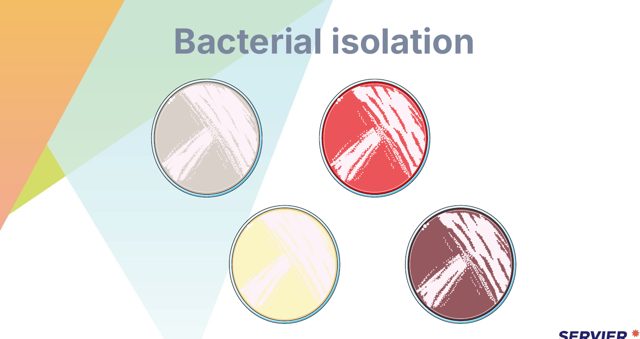
Antimicrobial stewardship is the set of practices that preserves the antibiotics we still have: cultures before antibiotics where it will not delay treatment, the narrowest effective agent, the shortest effective course, timely intravenous-to-oral switch, and review at 48 to 72 hours. The nurse contributes by taking cultures correctly, giving doses on time, and prompting the review.
ترشيد مضادّات الميكروبات هو مجموعة الممارسات التي تحفظ ما تبقّى من المضادات الحيوية: أخذ المزارع قبل المضادات الحيوية حيث لا يؤخّر ذلك العلاج، واستخدام أضيق عامل فعّال، وأقصر مدّة فعّالة، والتحويل من الوريدي إلى الفموي في وقته، والمراجعة عند ٤٨ إلى ٧٢ ساعة. ويسهم الكادر التمريضي بأخذ المزارع بشكل صحيح وإعطاء الجرعات في وقتها والتذكير بالمراجعة.
5.16 · Infection Control in the Saudi Setting٥٫١٦ · مكافحة العدوى في السياق السعودي
Hajj and Umrah concentrate millions of people from every country, which is why vaccination requirements are enforced at entry. A valid quadrivalent meningococcal ACWY certificate is compulsory for all pilgrims and seasonal workers in the Hajj areas aged one year and above, given at least 10 days before arrival and within the validity period set for the vaccine type. Yellow fever and polio requirements apply to arrivals from specified countries.
الحجّ والعمرة يجمعان ملايين الناس من كلّ البلدان، ولهذا تُطبَّق متطلّبات التطعيم عند الدخول. فشهادة سارية للقاح الرباعي للمكوّرة السحائية ACWY إلزامية لكلّ الحجّاج والعاملين الموسميين في مناطق الحجّ ممّن أعمارهم سنة فأكثر، على أن يُعطى اللقاح قبل عشرة أيام على الأقلّ من الوصول وضمن مدّة الصلاحية المحدّدة لنوع اللقاح. وتنطبق متطلّبات الحمّى الصفراء وشلل الأطفال على القادمين من بلدان محدّدة.
MERS coronavirus is reported predominantly from the Arabian Peninsula, with most cases in the Kingdom. Transmission is linked to contact with camels — camel farms, raw meat and unpasteurised camel milk — and to healthcare settings, where clusters have followed delayed recognition. Suspect it in a patient with fever and respiratory symptoms and relevant exposure, isolate early, and follow the national case definition and notification pathway.
فيروس كورونا الشرق الأوسط يُبلَّغ عنه أساساً من شبه الجزيرة العربية، ومعظم الحالات في المملكة. ويرتبط انتقاله بملامسة الإبل — مزارع الإبل واللحم النيء وحليب الإبل غير المبستر — وبالمرافق الصحّية حيث ظهرت تجمّعات من الحالات بعد تأخّر التعرّف عليه. يُشتبه به لدى مريض بحمّى وأعراض تنفّسية وتعرّض ذي صلة، ويُعزل مبكّراً، ويُتّبع تعريف الحالة الوطني ومسار التبليغ.
Infection control practice in the Kingdom sits inside the CBAHI accreditation standards, and infection prevention is among the Essential Safety Requirements that a hospital must meet. Notifiable diseases are reported through the Ministry of Health pathway.
ممارسة مكافحة العدوى في المملكة تقع ضمن معايير المركز السعودي لاعتماد المنشآت الصحية (CBAHI)، والوقاية من العدوى من متطلّبات السلامة الأساسية التي يجب أن يستوفيها المستشفى. والأمراض واجبة التبليغ يُبلَّغ عنها عبر مسار وزارة الصحّة.
5.17 · Falls Prevention٥٫١٧ · الوقاية من السقوط
Assess falls risk ON ADMISSION, after ANY CHANGE in condition, after ANY TRANSFER, and AFTER EVERY FALL — using a validated tool such as the Morse Fall Scale.
يُقيَّم خطر السقوط عند الدخول وبعد أيّ تغيّر في الحالة وبعد أيّ نقل وبعد كلّ سقوط، باستخدام أداة مُثبَتة الصلاحية مثل مقياس موريس للسقوط.
The interventions are unglamorous and they work: bed at the lowest position and brakes on, call bell within reach and the patient shown how to use it, non-slip footwear, adequate lighting including at night, a clear uncluttered path to the bathroom, glasses and hearing aids available, and scheduled toileting — because most inpatient falls happen on the way to the toilet.
التدخّلات غير براقة وهي ناجعة: السرير بأدنى وضعية والمكابح مقفلة، وجرس الاستدعاء في المتناول مع تعليم المريض استخدامه، وحذاء غير قابل للانزلاق، وإضاءة كافية بما فيها ليلاً، وممرّ واضح خالٍ إلى الحمّام، وتوفّر النظّارات والمعينات السمعية، وجدولة الذهاب إلى الحمّام — فمعظم سقوط المنوّمين يحدث في الطريق إلى الحمّام.
Bed rails are not a falls prevention measure. A confused patient determined to get out will climb over them, and falling from that height is worse than falling from the bed. They are a restraint when used to prevent a patient leaving the bed, and Chapter 01 covers the rules that follow from that.
حواجز السرير ليست تدبيراً للوقاية من السقوط. فالمريض المشوّش المصمّم على النزول سيتسلّقها، والسقوط من ذلك الارتفاع أسوأ من السقوط من السرير. وهي تقييد حين تُستخدم لمنع مريض من مغادرة السرير، والفصل الأول يغطّي القواعد المترتّبة على ذلك.
5.18 · Restraints in Practice٥٫١٨ · التقييد في الممارسة
Chapter 01 sets out when restraint is permitted at all — last resort, less restrictive alternatives tried and documented, a time-limited prescriber's order. This section is about applying one safely once that threshold has genuinely been met.
الفصل الأول يبيّن متى يُسمح بالتقييد أصلاً — الملاذ الأخير، وبعد تجربة بدائل أقلّ تقييداً وتوثيقها، وبأمر طبي محدّد المدّة. وهذا القسم عن تطبيقه بأمان بعد استيفاء تلك العتبة فعلاً.
Application: use the least restrictive device that achieves the purpose; secure it to the bed frame, never to a side rail, which moves and can trap or injure a limb; tie with a quick-release knot that one person can undo instantly; leave enough slack for movement; and check that two fingers slide under the restraint.
التطبيق: يُستخدم أقلّ الأجهزة تقييداً بما يحقّق الغرض؛ ويُثبَّت بإطار السرير لا بحاجز جانبي فهو يتحرّك وقد يحبس طرفاً أو يصيبه؛ ويُربَط بعقدة سريعة الفكّ يستطيع شخص واحد حلّها فوراً؛ ويُترك مجال كافٍ للحركة؛ ويُتحقَّق من مرور إصبعين تحت القيد.
Monitoring: frequent documented checks of skin integrity and circulation distal to the restraint, and periodic release for movement, repositioning, fluids and toileting. A restrained patient is never left alone in a closed room, and the need for the restraint is reassessed at every check rather than assumed to continue.
المراقبة: فحوص متكرّرة موثّقة لسلامة الجلد والدورة الدموية في الجزء البعيد عن القيد، وفكّ دوري للحركة وتغيير الوضعية والسوائل وقضاء الحاجة. والمريض المقيَّد لا يُترك وحده في غرفة مغلقة أبداً، وتُعاد مراجعة الحاجة للقيد عند كلّ فحص ولا يُفترض استمرارها.
5.19 · Fire and Environmental Safety٥٫١٩ · سلامة الحريق والبيئة
The response sequence is RACE: Rescue anyone in immediate danger; Alarm — activate it and call for help; Confine the fire by closing doors and windows; Extinguish if it is small and safe to do so, or Evacuate. Rescue comes first, and the alarm is raised before anyone attempts to fight a fire.
تسلسل الاستجابة هو RACE: الإنقاذ لمن هو في خطر مباشر؛ والإنذار — بتفعيله وطلب المساعدة؛ والاحتواء بإغلاق الأبواب والنوافذ؛ والإخماد إن كان الحريق صغيراً وآمناً، أو الإخلاء. والإنقاذ أولاً، ويُطلق الإنذار قبل أن يحاول أحد مكافحة حريق.
Using an extinguisher is PASS: Pull the pin; Aim at the base of the fire, not the flames; Squeeze the handle; Sweep from side to side. Aiming at the flames rather than the base is the commonest error and it achieves nothing.
استخدام الطفّاية هو PASS: سحب المسمار؛ والتصويب إلى قاعدة الحريق لا إلى اللهب؛ وضغط المقبض؛ والمسح من جانب إلى جانب. والتصويب على اللهب بدل القاعدة أشيع خطأ ولا يحقّق شيئاً.
Oxygen supports combustion. No smoking, no open flames, no electrical equipment that sparks, and no oil-based products near an oxygen source. In an evacuation, ambulatory patients go first, then those needing assistance, then non-ambulatory patients — and lifts are not used.
الأكسجين يدعم الاشتعال. فلا تدخين ولا لهب مكشوف ولا أجهزة كهربائية تُولّد شرراً ولا منتجات زيتية قرب مصدر أكسجين. وفي الإخلاء يخرج المرضى القادرون على المشي أولاً، ثم من يحتاجون مساعدة، ثم غير القادرين على المشي — ولا تُستخدم المصاعد.
5.20 · Latex Allergy٥٫٢٠ · حساسية اللاتكس
Reactions range from irritant contact dermatitis, which is not an allergy, through delayed type IV hypersensitivity with eczema at the contact site, to immediate type I hypersensitivity with urticaria, wheeze, angioedema and anaphylaxis. Healthcare workers and patients with repeated exposure — spina bifida, multiple urological or abdominal operations — are at highest risk.
تتراوح التفاعلات من التهاب الجلد التماسّي التهيّجي، وهو ليس حساسية، إلى فرط الحساسية المتأخّر من النمط الرابع مع إكزيما في موضع التماسّ، إلى فرط الحساسية الفوري من النمط الأول مع شرى وأزيز ووذمة وعائية وتأق. والعاملون الصحّيون والمرضى ذوو التعرّض المتكرّر — السنسنة المشقوقة، وتعدّد العمليات البولية أو البطنية — هم الأعلى خطراً.
Ask about it in every allergy history, and ask specifically about cross-reacting foods — banana, avocado, kiwi and chestnut are the classic ones, and a reaction to those raises the suspicion of latex sensitivity before any glove has been worn.
يُسأل عنها في كلّ تاريخ حساسية، ويُسأل تحديداً عن الأطعمة المتفاعلة تصالبياً — الموز والأفوكادو والكيوي والكستناء هي الكلاسيكية، والتفاعل معها يرفع الاشتباه بحساسية اللاتكس قبل ارتداء أيّ قفّاز.
Management is a latex-free environment, not simply latex-free gloves: the tourniquet, blood pressure cuff tubing, syringe plungers, catheters, adhesive tape, and the ports on infusion sets can all contain latex. Flag it on the record and the identity band, schedule the patient as the first case of the day so airborne glove powder has settled, and have the anaphylaxis protocol available.
التدبير بيئة خالية من اللاتكس لا قفّازات خالية منه فحسب: فالعاصبة وأنابيب كُفّة قياس ضغط الدم ومكابس المحاقن والقثاطر واللاصق الطبي ومنافذ مجموعات التسريب قد تحتوي جميعها لاتكس. ويُوسَم ذلك في السجلّ وعلى سوار الهوية، ويُدرَج المريض أول حالة في جدول اليوم لتكون بودرة القفّازات المحمولة جوّاً قد استقرّت، ويُبقى بروتوكول التأق متاحاً.
5.21 · Pre-operative Preparation and Surgical Safety٥٫٢١ · التحضير لما قبل الجراحة وسلامة الجراحة
The patient is kept nil by mouth before general anaesthesia to empty the stomach, because induction abolishes the protective airway reflexes: gastric contents can then be regurgitated and aspirated into the lungs, causing chemical pneumonitis. The reason is aspiration, not nausea or bowel preparation.
يُبقى المريض صائماً قبل التخدير العام لإفراغ المعدة، لأن الاستحثاث يُلغي منعكسات مجرى الهواء الواقية: فيمكن عندها ارتجاع محتويات المعدة واستنشاقها إلى الرئتين مسبّبةً التهاباً رئوياً كيميائياً. والسبب هو الاستنشاق الرئوي لا الغثيان ولا تحضير الأمعاء.
Pre-operative checks: valid consent and that the patient can say what is being done; site marked by the operator; identity band; allergies; fasting time; removal of jewellery, prostheses and nail polish where policy requires; baseline observations; relevant investigations available; and any anticoagulant or diabetes medication managed as prescribed.
التحقّقات قبل الجراحة: موافقة صحيحة وقدرة المريض على قول ما سيُجرى؛ والموقع معلَّم من المنفِّذ؛ وسوار الهوية؛ والحساسيات؛ ومدّة الصيام؛ ونزع الحليّ والأطراف الصناعية وطلاء الأظافر حيث تشترط السياسة؛ والقياسات الأساسية؛ وتوفّر الفحوص ذات الصلة؛ وتدبير أيّ مضادّ تخثّر أو دواء سكّري كما هو موصوف.
The surgical safety checklist has three points: sign in before induction, time out before incision with the whole team pausing to confirm patient, procedure and site, and sign out before leaving theatre, confirming counts and specimens. A mismatch between the consent, the marked site and what the patient says stops the process.
قائمة تحقّق سلامة الجراحة بثلاث نقاط: الدخول قبل الاستحثاث، ووقفة التحقّق قبل الشقّ بتوقّف الفريق كلّه لتأكيد المريض والإجراء والموقع، والخروج قبل مغادرة غرفة العمليات بتأكيد العدّ والعيّنات. والتضارب بين الموافقة والموقع المعلَّم وما يقوله المريض يُوقف العملية.
5.22 · Pressure Injury Prevention٥٫٢٢ · الوقاية من إصابات الضغط
Assess pressure injury risk with a validated tool ON ADMISSION and REPEAT when the condition changes. The contributors: PRESSURE, SHEAR and FRICTION, plus moisture, poor nutrition, reduced mobility, impaired sensation and poor perfusion.
يُقيَّم خطر إصابة الضغط بأداة مُثبَتة الصلاحية عند الدخول ويُعاد التقييم عند تغيّر الحالة. والعوامل المساهمة: الضغط والقصّ والاحتكاك، إضافةً إلى الرطوبة وسوء التغذية وقلّة الحركة واختلال الإحساس وضعف التروية.
Prevention: reposition at planned intervals individualised to the patient rather than a fixed rule for everyone; use a pressure-redistributing mattress and cushion; offload the heels completely; keep the head of the bed as low as the condition allows to reduce shear; manage moisture from incontinence or sweat; optimise nutrition and hydration; and use slide sheets so the patient is lifted rather than dragged.
الوقاية: تغيير الوضعية بفواصل مخطّطة مُخصَّصة لكلّ مريض لا بقاعدة ثابتة للجميع؛ واستخدام فراش ووسادة لإعادة توزيع الضغط؛ ورفع الكعبين تماماً عن السطح؛ وإبقاء رأس السرير بأدنى ما تسمح به الحالة لتقليل القصّ؛ وتدبير الرطوبة الناتجة عن السلس أو العرق؛ وتحسين التغذية والإماهة؛ واستخدام ملاءات الانزلاق ليُرفَع المريض لا يُسحَب.
Two things not to do: do not massage over a bony prominence or an area of redness, which damages the tissue underneath, and do not use ring or doughnut cushions, which concentrate pressure around the rim. Non-blanching redness is already a stage 1 injury, not a warning of one.
أمران لا يُفعلان: عدم التدليك فوق بروز عظمي أو منطقة احمرار، فذلك يضرّ بالنسيج تحته، وعدم استخدام الوسائد الحلقية أو وسائد الدونات، فهي تركّز الضغط حول الحافّة. والاحمرار الذي لا يزول بالضغط إصابة من الدرجة الأولى بالفعل لا إنذارٌ بها.
5.23 · Safe Patient Handling٥٫٢٣ · المناولة الآمنة للمرضى
Assess before every move: the patient's weight, ability to weight-bear and cooperate, attachments such as lines and drains, the environment, and how many people and what equipment are needed. Explain the move and agree a command so everyone moves together.
يُقيَّم قبل كلّ نقل: وزن المريض وقدرته على تحمّل الوزن والتعاون، والوصلات كالخطوط والمنازح، والبيئة، وكم شخصاً وأيّ معدّات يلزم. ويُشرَح النقل ويُتَّفق على إشارة ليتحرّك الجميع معاً.
Technique: use the equipment provided — hoist, slide sheet, transfer board — rather than lifting manually; keep the load close to your body; keep your feet apart with one foot forward for a stable base; bend at the hips and knees, not the waist; and turn by moving your feet rather than twisting your spine.
الأسلوب: تُستخدم المعدّات المتوفّرة — الرافعة وملاءة الانزلاق ولوح النقل — بدل الرفع اليدوي؛ ويُبقى الحمل قريباً من الجسم؛ وتُباعَد القدمان مع تقديم إحداهما لقاعدة ثابتة؛ ويكون الانحناء من الوركين والركبتين لا من الخصر؛ ويكون الدوران بتحريك القدمين لا بلفّ العمود الفقري.
5.24 · The Rights of Medication Administration٥٫٢٤ · حقوق إعطاء الدواء
Check the label three times: when taking it from storage, when preparing it, and before giving it. Identify the patient with two identifiers he states himself — full name and medical record number or date of birth — checked against the band and the order. The room or bed number is never an identifier.
يُفحَص الملصق ثلاث مرّات: عند أخذه من المخزن، وعند تحضيره، وقبل إعطائه. ويُتعرَّف على المريض بمعرّفين يذكرهما هو — الاسم الكامل ورقم الملف الطبي أو تاريخ الميلاد — مطابَقين مع السوار ومع الأمر. ورقم الغرفة أو السرير ليس معرّفاً أبداً.
Check allergies before every first dose, against the record and with the patient. Stay with the patient until the medication is taken — leaving tablets on a locker is not administration and cannot be documented as such. Document immediately after giving, never before.
يُتحقَّق من الحساسيات قبل كلّ جرعة أولى، من السجلّ ومن المريض. ويُلازَم المريض حتى يتناول الدواء — فترك الأقراص على الخزانة ليس إعطاءً ولا يمكن توثيقه كذلك. ويُوثَّق فور الإعطاء لا قبله أبداً.
5.25 · Medication Storage and Stock Control٥٫٢٥ · تخزين الأدوية وضبط المخزون
Medicines are kept in their original labelled container and never decanted into another. A tablet removed from its packaging cannot be identified, cannot be checked against an expiry date, and cannot be returned to stock — once it leaves the container it is either given or discarded.
تُحفظ الأدوية في عبوتها الأصلية الموسومة ولا تُنقل إلى غيرها أبداً. فالقرص المنزوع من عبوته لا يمكن التعرّف عليه ولا مطابقته مع تاريخ انتهاء ولا إعادته للمخزون — فبمجرّد خروجه من العبوة إما أن يُعطى أو يُتلف.
Cold-chain items — many vaccines, insulins and biological preparations — are kept in a dedicated, monitored refrigerator at roughly 2 to 8 °C, never in the ward's food fridge and never in the freezer compartment. Temperatures are recorded at defined intervals, and an excursion outside the range is reported to pharmacy rather than judged at the bedside, because some products are ruined by a single freeze.
أصناف سلسلة التبريد — كثير من اللقاحات والإنسولينات والمستحضرات الحيوية — تُحفظ في ثلّاجة مخصّصة مراقَبة عند نحو ٢ إلى ٨ درجات مئوية، لا في ثلّاجة طعام الجناح ولا في حجرة التجميد. وتُسجَّل درجات الحرارة بفواصل محدّدة، ويُبلَّغ عن أيّ خروج عن النطاق إلى الصيدلية بدلاً من الحكم عليه عند السرير، فبعض المنتجات يُتلفها تجميد واحد.
Check the expiry date every time, not only on delivery, and rotate stock so the earliest expiry is used first. Once a multi-dose vial or a reconstituted preparation is opened, its shelf life changes — record the date and time of opening on the vial. Protect light-sensitive products in their outer carton, and separate look-alike names on the shelf as Chapter 05 sets out.
يُفحَص تاريخ الانتهاء في كلّ مرّة لا عند الاستلام فقط، ويُدوَّر المخزون ليُستخدم الأقرب انتهاءً أولاً. وبمجرّد فتح قارورة متعدّدة الجرعات أو مستحضر مُعاد تركيبه، تتغيّر مدّة صلاحيته — فيُدوَّن تاريخ ووقت الفتح على القارورة. وتُحمى المنتجات الحسّاسة للضوء في علبتها الخارجية، وتُفصل الأسماء المتشابهة على الرفّ كما يبيّن الفصل الخامس.
5.26 · Reading and Clarifying an Order٥٫٢٦ · قراءة الأمر وتوضيحه
A COMPLETE ORDER names the PATIENT, DRUG, DOSE, ROUTE, FREQUENCY or TIME, and the PRESCRIBER’S SIGNATURE and DATE. Anything MISSING, AMBIGUOUS or ILLEGIBLE is CLARIFIED with the prescriber before anything is given — never interpreted, and never guessed from what was given yesterday.
الأمر الكامل يذكر المريض والدواء والجرعة والطريق والتواتر أو الوقت وتوقيع الواصف وتاريخه. وكلّ ناقص أو غامض أو غير مقروء يُوضَّح مع الواصف قبل إعطاء أيّ شيء — ولا يُفسَّر أبداً ولا يُخمَّن استناداً إلى ما أُعطي بالأمس.
An order you believe is unsafe is not carried out. Question it, escalate to the prescriber and then up the chain of command, and document each step. Executing an order you recognise as dangerous does not transfer your accountability, as Chapter 01 sets out.
الأمر الذي يُعتقد أنه غير آمن لا يُنفَّذ. يُستفسَر عنه، ويُصعَّد إلى الواصف ثم عبر التسلسل الإداري، وتُوثَّق كلّ خطوة. وتنفيذ أمر يُدرَك خطره لا ينقل مسؤولية المنفِّذ إلى غيره، كما يبيّن الفصل الأول.
Verbal and telephone orders are for emergencies and for when the prescriber cannot attend. Write it down, read it back, obtain confirmation while he is still on the line, enter it in the record, and have it countersigned within the period policy allows. Chapter 02 covers this in full.
الأوامر الشفهية والهاتفية تُستخدم في حالات الطوارئ وعندما لا يستطيع الواصف الحضور. والخطوات هي:
كتابة الأمر، ثم إعادة قراءته، ثم الحصول على التأكيد وهو ما زال على الخط، ثم إدخاله في السجل، ثم الحصول على توقيع مصادِق خلال المدة التي تسمح بها السياسة. ويغطّي الفصل الثاني هذا الموضوع بالتفصيل.
5.27 · High-Alert Medications٥٫٢٧ · الأدوية عالية الخطورة
HIGH-ALERT MEDICATIONS carry a HEIGHTENED RISK OF SIGNIFICANT HARM WHEN GIVEN IN ERROR. They are not the drugs most likely to be got wrong — they are the ones where being wrong matters most.
الأدوية عالية الخطورة تحمل خطراً متزايداً لحدوث أذى جسيم عند إعطائها عن طريق الخطأ. وهي ليست الأدوية الأكثر عرضةً للخطأ، بل الأدوية التي يكون للخطأ فيها أشدّ الأثر.
The standard control is an independent double check by a second qualified practitioner: drug, dose, calculation, concentration, rate, route, patient and the pump settings. Independent means the second person checks against the original order without being told what the first person concluded — a check done by agreeing with a colleague's answer is not a check at all.
الضابط المعياري تحقّق مزدوج مستقلّ من ممارس ثانٍ مؤهّل: الدواء والجرعة والحساب والتركيز والمعدّل والطريق والمريض وإعدادات المضخّة. والمستقلّ يعني أن يتحقّق الثاني من الأمر الأصلي دون إخباره بما خلص إليه الأول — فالتحقّق بالموافقة على جواب زميل ليس تحقّقاً إطلاقاً.
Other controls: concentrated potassium chloride is removed from ward stock in most systems and supplied only pre-diluted; insulin is drawn with an insulin syringe and units are written in full; and anticoagulant doses are checked against the current laboratory result before administration.
ضوابط أخرى: كلوريد البوتاسيوم المركّز يُزال من مخزون الأجنحة في معظم الأنظمة ويُصرف مخفّفاً مسبقاً فقط؛ والإنسولين يُسحب بمحقنة إنسولين وتُكتب الوحدات بالكامل؛ وجرعات مضادّ التخثّر تُطابَق مع النتيجة المخبرية الحالية قبل الإعطاء.
5.28 · Look-Alike Names and Unsafe Abbreviations٥٫٢٨ · الأسماء المتشابهة والاختصارات غير الآمنة
LOOK-ALIKE, SOUND-ALIKE drug names cause a large share of medication errors.
أسماء الأدوية المتشابهة شكلاً وصوتاً تسبّب حصّةً كبيرة من الأخطاء الدوائية.
Prohibited abbreviations and why: U for units is read as a zero or a four; IU is read as IV or the number 10; QD is read as QID; a trailing zero — 1.0 mg — is read as 10 mg if the point is missed; a missing leading zero — .5 mg — is read as 5 mg; MS is ambiguous between morphine sulphate and magnesium sulphate.
الاختصارات الممنوعة وسببها: U للوحدات يُقرأ صفراً أو أربعة؛ وIU يُقرأ IV أو الرقم ١٠؛ وQD يُقرأ QID؛ والصفر اللاحق — ١٫٠ ملغ — يُقرأ ١٠ ملغ إن فاتت الفاصلة؛ وغياب الصفر السابق — ٫٥ ملغ — يُقرأ ٥ ملغ؛ وMS ملتبس بين كبريتات المورفين وكبريتات المغنيسيوم.
5.29 · Oral and Enteral Routes٥٫٢٩ · الطريق الفموي والمعوي
Before an oral dose, check swallowing ability and conscious level. Sit the patient upright, give with adequate water unless restricted, and stay until it is swallowed. Never leave medication at the bedside for a patient to take later.
قبل الجرعة الفموية، يُتحقَّق من القدرة على البلع ومستوى الوعي. ويُجلَس المريض منتصباً، ويُعطى ماءً كافياً ما لم تكن السوائل مقيَّدة، مع البقاء إلى جانبه حتى يبتلع الدواء. ولا يُترك دواء عند السرير ليأخذه المريض لاحقاً أبداً.
Do not crush enteric-coated, sustained-release, modified-release or film-coated tablets, or open capsules designed to release slowly: crushing delivers the whole dose at once, which for a sustained-release opioid or cardiac drug can be fatal. Ask pharmacy for an alternative formulation instead.
لا تُسحَق الأقراص المغلّفة معوياً أو المديدة أو المعدَّلة التحرّر أو المغلّفة بغشاء، ولا تُفتح كبسولات مصمّمة للتحرّر البطيء: فالسحق يوصل الجرعة كاملةً دفعةً واحدة، وهو في حالة دواء أفيوني أو قلبي مديد التحرّر قد يكون مميتاً. وبدلاً من ذلك يُطلب من الصيدلية شكل صيدلاني بديل.
Via an enteral tube: confirm tube placement per policy before giving anything; give each medication separately, flushing before, between and after; use liquid formulations where available; and never add medication to the feed. Some drugs bind to feed and must be given with the feed paused.
عبر أنبوب معوي: يُؤكَّد موضع الأنبوب وفق السياسة قبل إعطاء أيّ شيء؛ ويُعطى كلّ دواء منفرداً مع شطف الأنبوب قبله وبينه وبعده؛ وتُستخدم الأشكال السائلة حيث تتوفّر؛ ولا يُضاف دواء إلى التغذية أبداً. وبعض الأدوية ترتبط بالتغذية ويجب إعطاؤها مع إيقاف التغذية مؤقّتاً.
5.30 · Injections: Sites, Angles and Volumes٥٫٣٠ · الحقن: المواقع والزوايا والحجوم
The Z-TRACK technique — displacing the skin LATERALLY before injecting and RELEASING it afterwards — SEALS the medication in the muscle, and is used for irritating or staining preparations such as iron. It prevents the drug tracking back through the needle path into subcutaneous tissue, where it causes pain and discolouration.
تقنية المسار Z — بإزاحة الجلد جانبياً قبل الحقن وتحريره بعده — تحبس الدواء في العضلة وتُستخدَم للمستحضرات المهيّجة أو المسبّبة لتلوّن الجلد كالحديد. وهي تمنع الدواء من الرجوع عبر مسار الإبرة إلى النسيج تحت الجلد، حيث يسبّب الألم وتغيّر اللون.
Subcutaneous: 45 to 90 degrees depending on the needle and the tissue, into the abdomen avoiding a 5 cm circle around the umbilicus, the outer upper arm, the anterior thigh or the upper back, up to about 1 mL. Rotate sites systematically for insulin. Do not aspirate and do not massage after heparin.
تحت الجلد: بزاوية ٤٥ إلى ٩٠ درجة بحسب الإبرة والنسيج، في البطن مع تجنّب دائرة ٥ سم حول السرّة، أو الجزء الخارجي العلوي للذراع، أو مقدّمة الفخذ، أو أعلى الظهر، بحجم يصل إلى نحو ١ مل. وتُبدَّل المواقع بانتظام للإنسولين. ولا يُجرى الرشف، ولا يُدلَّك الموضع بعد الهيبارين.
Intramuscular: 90 degrees. The ventrogluteal site is preferred in adults — it is free of major nerves and vessels and takes up to about 3 mL. The vastus lateralis is the site for infants under twelve months. The deltoid takes only small volumes, about 1 mL, and is used for vaccines. The dorsogluteal site is no longer recommended because of the risk of sciatic nerve injury.
العضلي: بزاوية ٩٠ درجة. والموقع الألوي البطني مفضّل لدى البالغين — فهو خالٍ من الأعصاب والأوعية الكبرى ويستوعب حتى نحو ٣ مل. والعضلة الفخذية الوحشية موقع الرضّع دون اثني عشر شهراً. والدالية تستوعب حجوماً صغيرة فقط نحو ١ مل وتُستخدم للقاحات. والموقع الألوي الظهري لم يعد موصى به لخطر إصابة العصب الوركي.
5.31 · Intravenous Administration٥٫٣١ · الإعطاء الوريدي
The intravenous route has no margin for retrieval — once it is in, it cannot be recalled — so the checks that precede it matter more than for any other route. Verify the drug, the dose, the diluent, the concentration, the rate and the compatibility with anything already running.
الطريق الوريدي بلا هامش للاسترجاع — فما دخل لا يُستعاد — فالفحوص السابقة له أهمّ منها في أيّ طريق آخر. يُتحقَّق من الدواء والجرعة والمذيب والتركيز والمعدّل والتوافق مع ما يجري بالفعل.
Concentrated potassium chloride must never be given by intravenous push. Undiluted or rapidly infused potassium causes cardiac arrest, and this is the reason it is removed from ward stock and supplied pre-diluted. It is always given as a controlled infusion at a limited rate, ideally with cardiac monitoring.
كلوريد البوتاسيوم المركّز لا يُعطى أبداً بالدفع الوريدي. فالبوتاسيوم غير المخفّف أو سريع التسريب يسبّب توقّفاً قلبياً، ولهذا يُزال من مخزون الأجنحة ويُصرف مخفّفاً مسبقاً. ويُعطى دائماً كتسريب مضبوط بمعدّل محدود، ويُفضّل مع مراقبة قلبية.
Monitor the site for complications and know the difference: infiltration is a non-vesicant leaking into the tissue, giving swelling, coolness and pallor; extravasation is the same with a vesicant and can cause tissue necrosis; phlebitis is inflammation of the vein with redness, warmth, pain and a palpable cord. In each case stop the infusion and follow the policy.
يُراقَب الموقع بحثاً عن مضاعفات ويُعرَف الفرق: التسرّب هو خروج دواء غير منفِّط إلى النسيج فيسبّب تورّماً وبرودة وشحوباً؛ والتسرّب خارج الوعاء هو الأمر نفسه بدواء منفِّط وقد يسبّب نخر النسيج؛ والتهاب الوريد التهاب في الوريد باحمرار ودفء وألم وحبل محسوس. وفي كلّ حالة يُوقَف التسريب وتُتّبع السياسة.
5.32 · Blood and Blood Product Administration٥٫٣٢ · إعطاء الدم ومشتقّاته
The pre-transfusion check is performed at the bedside, with the patient present, by two practitioners where policy requires. Match the patient's stated identifiers and identity band against the compatibility label, and the label against the unit itself: name, medical record number, date of birth, blood group, unit number and expiry. Inspect the unit for discoloration, clots or leaks. Any discrepancy at all stops the transfusion — the unit is returned, not corrected.
التحقّق قبل نقل الدم يُجرى عند سرير المريض بحضوره، من ممارسَين حيث تشترط السياسة. تُطابَق معرّفات المريض التي يذكرها وسوار هويته مع ملصق التوافق، ويُطابَق الملصق مع الوحدة نفسها: الاسم ورقم الملف وتاريخ الميلاد وفصيلة الدم ورقم الوحدة وتاريخ الانتهاء. وتُفحَص الوحدة بحثاً عن تغيّر لون أو خثرات أو تسريب. وأيّ تباين مهما كان يوقف نقل الدم — فتُعاد الوحدة ولا تُصحَّح.
Monitoring: start slowly and stay with the patient for the first fifteen minutes, because the most severe reactions appear early. Repeat observations at fifteen minutes, then at the intervals policy specifies, and again on completion. A unit is completed within four hours of leaving controlled storage, and blood is never stored in a ward refrigerator.
المراقبة: يُبدأ ببطء ويُلازَم المريض أول خمس عشرة دقيقة، فأشدّ التفاعلات تظهر مبكّراً. وتُعاد القياسات عند خمس عشرة دقيقة، ثم بالفواصل التي تحدّدها السياسة، ومرّةً أخرى عند الانتهاء. وتُكمَل الوحدة خلال أربع ساعات من خروجها من التخزين المضبوط، ولا يُخزَّن الدم في ثلّاجة الجناح أبداً.
On any suspected reaction, stop the transfusion immediately, disconnect the unit, and keep the vein open with sodium chloride through a new administration set — not the one the blood ran through. Assess the patient, take observations, notify the medical team and the blood bank, and return the unit and giving set with samples as policy requires.
عند أيّ اشتباه بتفاعل، يُوقَف نقل الدم فوراً، وتُفصَل الوحدة، ويُبقى الوريد مفتوحاً بمحلول ملحي عبر مجموعة إعطاء جديدة — لا التي مرّ عبرها الدم. ويُقيَّم المريض وتُؤخذ القياسات ويُبلَّغ الفريق الطبي وبنك الدم، وتُعاد الوحدة ومجموعة الإعطاء مع العيّنات كما تشترط السياسة.
Recognising the reactions: acute haemolytic — fever, chills, loin or back pain, hypotension, dark urine, usually within minutes and usually ABO incompatibility, and the most dangerous. Febrile non-haemolytic — a temperature rise with chills and no other features. Allergic — urticaria and itching. Circulatory overload — breathlessness, raised jugular venous pressure and basal crackles, from volume rather than immunology.
تمييز التفاعلات: الانحلالي الحادّ — حمّى وقشعريرة وألم في الخاصرة أو الظهر وهبوط ضغط وبول داكن، خلال دقائق عادةً ومن عدم توافق ABO غالباً، وهو الأخطر. والحموي غير الانحلالي — ارتفاع حرارة مع قشعريرة دون سمات أخرى. والتحسّسي — شرى وحكّة. والحمل الدوري الزائد — ضيق نفس وارتفاع الضغط الوداجي وخراخر قاعدية، من الحجم لا من المناعة.
5.33 · Controlled Drugs٥٫٣٣ · الأدوية المراقَبة
Administration is witnessed: two practitioners check the drug, the dose and the balance, and both sign. Wastage is witnessed and signed at the time by both — a partly used ampoule is discarded in front of the witness, never kept, never discarded alone and never signed for afterwards.
الإعطاء بشهادة: يتحقّق ممارسان من الدواء والجرعة والرصيد ويوقّعان كلاهما. والفاقد يُشهَد عليه ويُوقَّع في حينه من كليهما — فالأمبولة المستخدمة جزئياً تُتلف أمام الشاهد، ولا تُحفظ، ولا تُتلف منفردةً، ولا يُوقَّع عليها لاحقاً.
Any discrepancy is reported immediately, however small and however it is explained. Diversion escalates, and a count that does not reconcile is the earliest signal there is. Chapter 01 covers the duty to report an impaired or diverting colleague.
أيّ تباين يُبلَّغ عنه فوراً، مهما صغر ومهما فُسّر. فتحويل الأدوية يتصاعد، والعدّ غير المتطابق أبكر إشارة متاحة. والفصل الأول يغطّي واجب الإبلاغ عن زميل مُعتلّ الأهلية أو محوِّل للأدوية.
5.34 · When a Medication Error Happens٥٫٣٤ · عند وقوع خطأ دوائي
The sequence is fixed. Assess the patient first — vital signs, symptoms, and any effect of what was given. Stabilise and treat as needed. Notify the prescriber and the nurse in charge. Monitor for the expected effects of the drug and duration. Document the clinical facts in the chart. Complete an incident report separately.
التسلسل ثابت. يُقيَّم المريض أولاً — العلامات الحيوية والأعراض وأيّ أثر لما أُعطي. وتُثبَّت حالته ويُعالَج حسب الحاجة. ويُبلَّغ الواصف والممرضة المسؤولة. وتُراقَب الآثار المتوقّعة للدواء ومدّتها. وتُوثَّق الوقائع السريرية في الملف. ويُكمَل تقرير حادثة منفصلاً.
What goes in the chart: what was actually given, the time, the patient's condition, who was notified and when, and what was done. What does not go in the chart: that an incident report was completed, opinions about who was at fault, or the word "error" as a conclusion. Chapter 01, section 1.12 covers this.
ما يدخل الملف: ما أُعطي فعلاً، والوقت، وحالة المريض، ومن أُبلغ ومتى، وما نُفِّذ. وما لا يدخل الملف: أن تقرير حادثة قد اكتُمل، أو آراء عمّن أخطأ، أو كلمة «خطأ» كخلاصة. والفصل الأول، القسم ١٫١٢، يغطّي ذلك.
Near misses are reported too. A dose drawn up wrongly and discarded before it reached the patient is the cheapest data a hospital gets — the harm has not happened but the system fault is already visible. Under-reporting near misses is the commonest reason the same error recurs with harm.
الأحداث الوشيكة تُبلَّغ أيضاً. فجرعة سُحبت خطأً وأُتلفت قبل وصولها للمريض أرخص بيانات يحصل عليها مستشفى — إذ لم يقع الضرر لكن عطب النظام ظاهر بالفعل. ونقص الإبلاغ عن الأحداث الوشيكة أشيع سبب لتكرار الخطأ نفسه مصحوباً بضرر.
5.35 · Dosage Calculation٥٫٣٥ · حساب الجرعات
Infusion rate in millilitres per hour: total volume divided by the time in hours. For 1,000 mL over 8 hours: 1,000 ÷ 8 = 125 mL per hour.
معدّل التسريب بالمليلتر في الساعة: الحجم الكلّي مقسوماً على الزمن بالساعات. فلـ١٠٠٠ مل خلال ٨ ساعات: ١٠٠٠ ÷ ٨ = ١٢٥ مل في الساعة.
Drip rate in drops per minute: volume in millilitres, multiplied by the drop factor of the giving set, divided by the time in minutes. For 1,000 mL over 8 hours with a set delivering 20 drops per mL: (1,000 × 20) ÷ 480 = about 42 drops per minute.
معدّل التقطير بالقطرات في الدقيقة: الحجم بالمليلتر مضروباً في عامل التقطير للمجموعة، مقسوماً على الزمن بالدقائق. فلـ١٠٠٠ مل خلال ٨ ساعات بمجموعة تعطي ٢٠ قطرة لكلّ مل: (١٠٠٠ × ٢٠) ÷ ٤٨٠ = نحو ٤٢ قطرة في الدقيقة.
Weight-based doses: multiply the dose per kilogram by the patient's weight, then check the result against the safe range before giving it. A calculation that produces an unusually large volume or an unusually large number of tablets is a signal to stop and check, not to proceed.
الجرعات حسب الوزن: تُضرَب الجرعة لكلّ كيلوغرام في وزن المريض، ثم يُقارَن الناتج بالنطاق الآمن قبل إعطائه. والحساب الذي يُنتج حجماً كبيراً بشكل غير معتاد أو عدداً كبيراً من الأقراص إشارة للتوقّف والتحقّق لا للمضيّ.
Test yourselfالاختبار الذاتي
Loading… جارٍ التحميل…
Loading… جارٍ التحميل…
Loading… جارٍ التحميل…