اللَّهُمَّ انْفَعْنِي بِمَا عَلَّمْتَنِي، وَعَلِّمْنِي مَا يَنْفَعُنِي، وَزِدْنِي عِلْمًا“O Allah, benefit me by what You have taught me, teach me what benefits me, and increase me in knowledge.”
«رَبِّ زِدْنِي عِلْمًا»“My Lord, increase me in knowledge.” Qur’an, Ṭā-Hā 20:114 · سورة طه، الآية ١١٤
The standard order of examination for every system, with one exception: for the abdomen the order is inspection, auscultation, percussion, palpation, because palpating or percussing first alters the bowel sounds.الترتيب القياسي للفحص في كل جهاز، مع استثناء واحد هو البطن، إذ يكون الترتيب فيه التفتيش ثم الإصغاء ثم القرع ثم الجسّ، لأن الجسّ أو القرع أولاً يغيّر أصوات الأمعاء.
AVPUمقياس AVPU (واعٍ، يستجيب للصوت، يستجيب للألم، غير مستجيب)
The rapid screen of conscious level: Alert, responds to Voice, responds to Pain, Unresponsive; it takes seconds, and anything below Alert warrants a formal Glasgow Coma Scale.الفحص السريع لمستوى الوعي: واعٍ، ويستجيب للصوت، ويستجيب للألم، وغير مستجيب؛ ويستغرق ثوانيَ، وأي درجة دون «واعٍ» تستوجب إجراء مقياس غلاسكو للغيبوبة الرسمي.
Glasgow Coma Scale (GCS)مقياس غلاسكو للغيبوبة
A score of eye opening out of 4, verbal response out of 5 and best motor response out of 6, giving a total from 3 to 15; a score of 8 or less indicates coma and a threatened airway.درجة تتألف من فتح العينين من 4 والاستجابة اللفظية من 5 وأفضل استجابة حركية من 6 بمجموع من 3 إلى 15؛ وتدلّ الدرجة 8 أو أقل على غيبوبة ومجرى هواء مهدَّد.
Hyperpyrexiaفرط الحمّى (فرط ارتفاع الحرارة)
A temperature above 41 °C, which is a medical emergency (fever is above 38 °C and hypothermia is below 35 °C).ارتفاع الحرارة فوق 41 درجة مئوية، وهو طارئ طبي (والحمّى فوق 38 درجة مئوية، وانخفاض الحرارة دون 35 درجة مئوية).
Apical–radial deficitالعجز القمّي الكعبري
The difference between the apical and radial pulse counts taken simultaneously by two nurses for a full minute; it means some beats are not reaching the periphery.الفرق بين عدّ النبض القمّي والنبض الكعبري اللذين تعدّهما ممرضتان في وقت واحد لمدة دقيقة كاملة؛ ويعني أن بعض النبضات لا تصل إلى الأطراف.
Cheyne–Stokes respirationتنفّس شاين ستوكس
Cycles of deepening then shallowing breaths with apnoeic pauses, seen in heart failure and at the end of life.دورات من الأنفاس تزداد عمقاً ثم تضحل مع فترات انقطاع النفس، وتُشاهَد في قصور القلب وعند نهاية الحياة.
Kussmaul respirationتنفّس كوسماول
Deep and rapid breathing that compensates for metabolic acidosis, classically in diabetic ketoacidosis.تنفّس عميق وسريع يعوّض عن الحماض الاستقلابي، ويُشاهَد كلاسيكياً في الحماض الكيتوني السكري.
Pulse pressureضغط النبض
The systolic pressure minus the diastolic pressure, normally about 40 mmHg (roughly 30–50 mmHg); it widens with stiff arteries and raised intracranial pressure and narrows in hypovolaemia, cardiac tamponade and heart failure.الضغط الانقباضي مطروحاً منه الانبساطي، وهو طبيعياً نحو 40 ملم زئبق (30–50 ملم زئبق تقريباً)؛ ويتسع مع تصلّب الشرايين وارتفاع الضغط داخل القحف، ويضيق في نقص حجم الدم واندحاس القلب وقصور القلب.
Mean arterial pressure (MAP)متوسط الضغط الشرياني (MAP)
The average pressure driving perfusion, approximated as the diastolic pressure plus one third of the pulse pressure; about 65 mmHg or above is generally needed to perfuse the organs.الضغط الوسطي الذي يقود الإرواء، ويُقارَب بالضغط الانبساطي زائداً ثلث ضغط النبض؛ ويلزم عموماً نحو 65 ملم زئبق أو أكثر لإرواء الأعضاء.
Orthostatic hypotensionهبوط الضغط الانتصابي
A fall of 20 mmHg or more systolic, or 10 mmHg or more diastolic, within three minutes of standing, usually with a rise in pulse and often with dizziness.انخفاض بمقدار 20 ملم زئبق أو أكثر في الضغط الانقباضي، أو 10 ملم زئبق أو أكثر في الانبساطي، خلال ثلاث دقائق من الوقوف، وعادةً مع ارتفاع النبض وغالباً مع دوار.
Auscultatory gapالفجوة الإصغائية
A silent interval between the true systolic pressure and the point where sounds resume, which can make the systolic read far too low; it is avoided by palpating the radial pulse first and inflating 20–30 mmHg above that point.فترة صامتة بين الضغط الانقباضي الحقيقي ونقطة عودة الأصوات، وقد تجعل الانقباضي يُقرأ أدنى بكثير؛ ويُتجنَّب ذلك بجسّ النبض الكعبري أولاً ثم النفخ بمقدار 20–30 ملم زئبق فوق تلك النقطة.
Early warning scoreدرجة الإنذار المبكّر
A score that assigns points to each observation according to how far it is from normal, with the total triggering a defined response; the trend matters more than a single value and the score never replaces judgement.درجة تُسند نقاطاً لكل قياس بحسب بُعده عن الطبيعي، ويُطلق مجموعها استجابةً محدّدة؛ والاتجاه أهمّ من القيمة المنفردة، ولا تحلّ الدرجة أبداً محلّ الحكم السريري.
Choose the right type of assessment for the situation and carry out a systematic head-to-toe survey.
اختيار نوع التقييم المناسب للموقف وتنفيذ مسح منهجي من الرأس إلى القدم.
2
Apply inspection, palpation, percussion and auscultation in the correct order, and name the one exception.
تطبيق التفتيش والجسّ والقرع والإصغاء بالترتيب الصحيح، وتسمية الاستثناء الوحيد.
3
State the normal adult ranges for temperature, pulse, respiration, blood pressure and oxygen saturation.
ذكر النطاقات الطبيعية للبالغ في الحرارة والنبض والتنفّس وضغط الدم وتشبّع الأكسجين.
4
Measure a temperature at each site and say how the sites differ from one another.
قياس الحرارة في كلّ موقع وبيان كيف تختلف المواقع عن بعضها.
5
Assess rate, rhythm and volume of a pulse, and know when a full minute and an apical count are required.
تقييم معدّل النبض وانتظامه وحجمه، ومعرفة متى تلزم دقيقة كاملة وعدّ قمّي.
6
Count respirations accurately and recognise the abnormal breathing patterns and what each suggests.
عدّ التنفّس بدقّة وتمييز أنماط التنفّس غير الطبيعية ودلالة كلّ منها.
7
Interpret an oxygen saturation, and name the situations in which the reading cannot be trusted.
تفسير تشبّع الأكسجين، وتسمية الحالات التي لا يمكن الوثوق فيها بالقراءة.
8
Measure blood pressure correctly and identify the technique errors that raise or lower the reading.
قياس ضغط الدم بشكل صحيح وتحديد أخطاء الأسلوب التي ترفع القراءة أو تخفضها.
9
Calculate pulse pressure and mean arterial pressure, and say what each one tells you.
حساب ضغط النبض ومتوسّط الضغط الشرياني، وبيان ما يدلّ عليه كلّ منهما.
10
Test for orthostatic hypotension using the correct thresholds and timing.
اختبار هبوط الضغط الانتصابي بالعتبات والتوقيت الصحيحين.
11
Assess pain as the fifth vital sign and select the right tool for a patient who cannot self-report.
تقييم الألم كعلامة حيوية خامسة واختيار الأداة الصحيحة لمريض لا يستطيع التبليغ عن نفسه.
12
Calculate and classify body mass index and recognise the signs of nutritional risk.
حساب مؤشّر كتلة الجسم وتصنيفه وتمييز علامات الخطر التغذوي.
13
Assess skin, hair and nails, and grade pitting oedema and capillary refill.
تقييم الجلد والشعر والأظافر، وتدريج الوذمة الانطباعية وزمن إعادة امتلاء الشعيرات الدموية.
14
Perform a focused respiratory, cardiovascular and abdominal assessment in the correct sequence.
تنفيذ تقييم تنفّسي وقلبي وعائي وبطني مركَّز بالتسلسل الصحيح.
15
Assess level of consciousness with AVPU and the Glasgow Coma Scale, and state the score that threatens the airway.
تقييم مستوى الوعي بـ AVPU ومقياس غلاسكو للغيبوبة، وذكر الدرجة التي تهدّد مجرى الهواء.
16
Assess fluid balance from intake, output, daily weight and clinical signs.
تقييم ميزان السوائل من الوارد والصادر والوزن اليومي والعلامات السريرية.
17
Adapt assessment for the older adult, and recognise why the classic signs may be absent.
تكييف التقييم لكبير السنّ، وإدراك سبب احتمال غياب العلامات الكلاسيكية.
18
Adapt assessment for infants and children, including the order in which it is done.
تكييف التقييم للرضّع والأطفال، بما في ذلك ترتيب تنفيذه.
19
Calculate an early warning score and escalate a deteriorating patient on the trend rather than a single value.
حساب درجة إنذار مبكّر وتصعيد مريض متدهور بناءً على الاتّجاه لا على قيمة واحدة.
20
Document and report assessment findings so that another nurse can act on them.
توثيق موجودات التقييم والإبلاغ عنها بحيث تستطيع ممرضة أخرى التصرّف بناءً عليها.
2
4.1 · What Assessment Is For٤٫١ · الغرض من التقييم
Assessment is the FIRST step of the nursing process and the one EVERY LATER STEP DEPENDS ON — a wrong diagnosis, an irrelevant goal and a useless intervention ALL BEGIN with an incomplete assessment.
التقييم أول خطوة في العملية التمريضية وهي الخطوة التي تعتمد عليها كلّ خطوة تالية — فالتشخيص الخاطئ والهدف غير ذي الصلة والتدخّل غير المجدي تبدأ جميعها بتقييم ناقص.
1
A BASELINE exists for COMPARISON
A pulse of 92 means little on its own; a pulse of 92 in a patient whose baseline is 60 means a great deal.
خطّ الأساس موجود للمقارنة — نبض ٩٢ يعني القليل وحده، أما نبض ٩٢ لدى مريض خطّ أساسه ٦٠ فيعني الكثير.
2
Which is why the ADMISSION assessment matters
Even in a patient who looks well — you are recording the number you will need in three days.
ولهذا يهمّ تقييم الدخول — حتى في مريض يبدو بخير، إذ يُسجَّل الرقم الذي ستدعو الحاجة إليه بعد ثلاثة أيام.
3
And assessment is CONTINUOUS, not an event
You are assessing while you give a medication, while you help someone wash, and while you talk to a relative.
والتقييم مستمرّ لا حدث — يجري التقييم أثناء إعطاء دواء وأثناء مساعدة المريض على الاغتسال وأثناء الحديث مع أحد الأقارب.
4
The formal set of observations is a SAMPLE
What you notice between them is the rest of the picture — and it is usually where the change is first seen.
المجموعة الرسمية من الملاحظات عيّنة — وما يُلاحَظ بينها هو بقية الصورة، وغالباً ما يظهر فيه التغيّر أولاً.
The purpose of a baseline is comparison. A pulse of 92 means little on its own; a pulse of 92 in a patient whose baseline is 60 means a great deal. This is why the admission assessment matters even in a patient who looks entirely well — it is the reference every later reading is measured against.
الغرض من خطّ الأساس هو المقارنة. فنبض ٩٢ يعني القليل بمفرده، أما نبض ٩٢ لدى مريض خطّ أساسه ٦٠ فيعني الكثير. ولهذا يهمّ تقييم الدخول حتى لدى مريض يبدو بخير تمامًا؛ فهو المرجع الذي تُقاس به كل قراءة لاحقة.
Assessment is continuous, not an event. You are assessing while you give a medication, while you help someone wash, and while you talk to a relative. The formal set of observations is a sample; what you notice in between is often what identifies deterioration first.
التقييم مستمرّ لا حدث. فيجري التقييم أثناء إعطاء الدواء، وأثناء مساعدة مريض على الاغتسال، وأثناء الحديث مع أحد الأقارب. والمجموعة الرسمية من الملاحظات عيّنة؛ وما يُلاحَظ بينها هو غالباً ما يكشف التدهور أولاً.
⭐
Key point
نقطة أساسية
A single value is data; a value read against this patient's baseline and trend is information. Always ask what it was before.
القيمة الواحدة بيانات؛ والقيمة المقروءة مقابل خطّ أساس هذا المريض واتّجاهه معلومة. ويُسأل دائماً: كم كانت القيمة قبل ذلك؟
3
4.2 · The Health History٤٫٢ · التاريخ الصحّي
1
Biographical data
And the reason for seeking care IN THE PATIENT’S OWN WORDS.
البيانات الشخصية وسبب طلب الرعاية بكلمات المريض نفسه.
2
History of the PRESENT illness
The story of this problem, from when it started.
قصّة المرض الحالي — قصّة هذه المشكلة منذ بدايتها.
3
Past MEDICAL and SURGICAL history
Including previous admissions and anaesthetics.
التاريخ الطبّي والجراحي السابق — بما في ذلك حالات الدخول السابقة إلى المستشفى والتخدير.
4
MEDICATIONS and ALLERGIES
Including over-the-counter, herbal and traditional remedies — which are not volunteered unless asked by name.
الأدوية والحساسيات — بما فيها الأدوية التي تُصرف دون وصفة طبية والأعشاب والعلاجات التقليدية، وهي لا تُذكر تلقائياً ما لم يُسأل عنها بالاسم.
5
FAMILY history
And whether the parents are related, which matters here.
التاريخ العائلي — وهل بين الوالدين صلة قرابة — وهذا مهمّ هنا.
6
Then SOCIAL, functional and psychological
Work, home, who helps, what he can still do — and a systems review to catch what the story missed.
ثم الاجتماعي والوظيفي والنفسي — العمل والمنزل ومن يساعد وما لا يزال المريض قادراً على فعله، ومراجعة الأجهزة لاستدراك ما فاتته القصّة.
S — Sitewhere exactly, and can he point to itالموضع — أين بالضبط، وهل يستطيع المريض الإشارة إليه
O — Onsetsudden or gradual; what he was doingالبدء — مفاجئ أم تدريجي؛ وماذا كان المريض يفعل
C — Charactercrushing, burning, stabbing, dull — in his wordsالطابع — ساحق أو حارق أو طاعن أو كليل — بكلماته
R — Radiationdoes it go anywhereالانتشار — هل ينتقل إلى مكان آخر
T — Timingconstant or intermittent; how longالتوقيت — مستمرّ أم متقطّع؛ ومدّته
E — Exacerbating / relievingwhat makes it worse and betterما يزيده وما يخفّفه
S — Severitya score, and what it stops him doingالشدّة — درجة وما يمنعه من فعله
Record the reason for coming IN THE PATIENT’S OWN WORDS, not your translation of it.‘I can’t get my breath when I walk to the shop’ is more useful than ‘dyspnoea’, because it carries the functional loss and the distance — which is what you will measure improvement against.
يُسجَّل سبب الحضور بكلمات المريض نفسه لا بترجمتها. فـ«لا أستطيع التقاط أنفاسي حين أمشي إلى الدكّان» أنفع من «ضيق نفس»، لأنها تحمل الفقد الوظيفي والمسافة — وهو ما يُقاس عليه التحسّن.
For any symptom, a structured set of questions gets a usable description: site, onset, character, radiation, associated features, timing, exacerbating and relieving factors, and severity. Applied to chest pain or abdominal pain, this single framework separates most of the common causes before any test is ordered.
لأيّ عرَض، تُوصل مجموعة أسئلة منظّمة إلى وصف قابل للاستخدام: الموضع، والبدء، والطابع، والانتشار، والأعراض المصاحبة، والتوقيت، وما يزيده وما يخفّفه، والشدّة. وبتطبيقها على ألم الصدر أو البطن، يميّز هذا الإطار الواحد بين معظم الأسباب الشائعة قبل طلب أيّ فحص.
Record the reason for coming in the patient's own words, not your translation of it. "I can't get my breath when I walk to the shop" is more useful than "dyspnoea", because it carries the functional limit, and it is the thing you can measure again next week.
يُدوَّن سبب الحضور بكلمات المريض نفسه لا بترجمته. فعبارة «لا ألتقط أنفاسي حين أمشي إلى الدكّان» أنفع من «ضيق نفس»، لأنها تحمل الحدّ الوظيفي، وهي ما يمكن قياسه مجدّداً الأسبوع القادم.
🔑
Memory aid
مفتاح للحفظ
Site · Onset · Character · Radiation · Associated · Timing · Exacerbating and relieving · Severity.
الموضع · البدء · الطابع · الانتشار · المصاحبات · التوقيت · ما يزيد ويخفّف · الشدّة.
🚩
Watch out
تنبيه
Ask about allergies and what the reaction actually was. "Allergic to penicillin" that turns out to be nausea is a different clinical problem from anaphylaxis.
يُسأل عن الحساسيات وعن طبيعة التفاعل الفعلي. فعبارة «حساسية من البنسلين» حين يتبيّن أنها غثيان تمثّل مشكلة سريرية مختلفة عن التأق.
4
4.3 · The Four Techniques٤٫٣ · التقنيات الأربع
1
INSPECTION — deliberate looking
With adequate EXPOSURE and LIGHT.It yields more than any other technique and is the one most often RUSHED.
التفتيش — النظر المتعمّد. مع كشف كافٍ وإضاءة جيدة. وهو يعطي معلومات أكثر من أي تقنية أخرى، وهو أكثر التقنيات تعرّضاً للاستعجال.
2
PALPATION — LIGHT first, then DEEP
Fingertips for texture and pulsation; the BACK of the hand for temperature; the palm for vibration.Painful areas LAST.
الجسّ — الخفيف أولاً ثم العميق. أطراف الأصابع للملمس والنبض، وظهر اليد للحرارة، وراحة اليد للاهتزاز. وتُجسّ المناطق المؤلمة أخيراً.
3
PERCUSSION — tapping for what lies beneath
Resonant over air, dull over fluid or solid organ, tympanic over gas.
القرع — الطرق لمعرفة ما يوجد تحت السطح. رنّان فوق الهواء، ومكتوم فوق السائل أو العضو الصلب، وطبلي فوق الغاز.
4
AUSCULTATION — listening
DIAPHRAGM for HIGH-pitched sounds — breath sounds, bowel sounds, normal heart sounds. BELL for LOW-pitched — some murmurs and bruits. On SKIN, never through clothing, and warmed first.
الإصغاء — الغشاء للأصوات عالية النبرة (أصوات التنفّس وأصوات الأمعاء وأصوات القلب الطبيعية) والجرس للأصوات منخفضة النبرة (بعض النفخات والأصوات الوعائية): على الجلد لا فوق الملابس، وبعد تدفئة السمّاعة.
✅Standard order — EVERY systemالترتيب المعتاد — في كل جهاز
INSPECTIONالتفتيش
PALPATIONالجسّ
PERCUSSIONالقرع
AUSCULTATIONالإصغاء
IPPAالترتيب (IPPA): تفتيش، جسّ، قرع، إصغاء
الترتيب المعياري لكلّ جهاز — تفتيش ثم جسّ ثم قرع ثم إصغاء.
⚠️The ABDOMEN is the EXCEPTIONالبطن هو الاستثناء
INSPECTIONالتفتيش
AUSCULTATIONالإصغاء
PERCUSSIONالقرع
PALPATIONالجسّ
Because palpating or percussing FIRST alters the bowel sounds you are about to listen toلأن الجسّ أو القرع أولاً يُغيّر أصوات الأمعاء التي سيُصغى إليها
This is asked directly, every sittingيُسأل عن هذا مباشرة في كل جلسة اختبار
البطن هو الاستثناء — تفتيش ثم إصغاء ثم قرع ثم جسّ: فالجسّ أولاً يغيّر أصوات الأمعاء.
⚪The DIAPHRAGM — high-pitchedالغشاء — عالي النبرة
Pressed FIRMLY on the skinيُضغَط بثبات على الجلد
Breath soundsأصوات التنفّس
Bowel soundsأصوات الأمعاء
Normal heart soundsأصوات القلب الطبيعية
The one you use most of the timeالجزء الأكثر استخداماً في معظم الوقت
الغشاء — أصوات عالية النبرة: يُضغَط بثبات على الجلد.
⚫The BELL — low-pitchedالجرس — منخفض النبرة
Rested LIGHTLY on the skinيُوضع بخفّة على الجلد
Pressing hard turns the bell into a diaphragm — which is the commonest technique errorالضغط بقوة يحوّل الجرس إلى غشاء — وهذا هو الخطأ الأكثر شيوعاً في التقنية
•The ORDER — and the one exception that is always examinedالترتيب — والاستثناء الوحيد الذي يُختبَر دائماً
For EVERY system: inspection, palpation, percussion, auscultationLook, feel, tap, listen — in that order.لكلّ جهاز — التفتيش ثم الجسّ ثم القرع ثم الإصغاء، أي النظر فاللمس فالطرق فالاستماع — بهذا الترتيب.
EXCEPT the ABDOMENInspection, AUSCULTATION, percussion, palpation.Because palpating or percussing FIRST alters the bowel sounds you are about to listen for — so you would be listening to what you caused.إلّا البطن — التفتيش ثم الإصغاء ثم القرع ثم الجسّ؛ لأن الجسّ أو القرع أولاً يغيّر أصوات الأمعاء التي سيُصغى إليها — فيكون المسموع ما أحدثه الفاحص نفسه.
And warm your hands and the stethoscopeA cold hand causes guarding, and guarding is then recorded as a finding it is not.ويجب تدفئة اليدين والسمّاعة — فاليد الباردة تسبّب دفاعاً عضلياً، ثم يُسجَّل هذا الدفاع على أنه موجودة سريرية وهو ليس كذلك.
The order is inspection, palpation, percussion, auscultation for every system — with one exception. For the abdomen the order is inspection, auscultation, percussion, palpation, because palpating or percussing first alters bowel sounds and makes the auscultation findings unreliable.
الترتيب هو التفتيش ثم الجسّ ثم القرع ثم الإصغاء لكلّ جهاز — مع استثناء واحد. ففي البطن يكون الترتيب التفتيش ثم الإصغاء ثم القرع ثم الجسّ، لأن الجسّ أو القرع أولاً يغيّر أصوات الأمعاء ويجعل موجودات الإصغاء غير موثوقة.
Palpate any area the patient says is painful last, whatever the system. Doing it first guarantees guarding that spoils everything after it.
تُجسّ أيّ منطقة يذكر المريض أنها مؤلمة أخيراً مهما كان الجهاز. فجسّها أولاً يضمن دفاعاً عضلياً يُفسد كلّ ما بعده.
5
4.4 · General Survey and Level of Consciousness٤٫٤ · المسح العامّ ومستوى الوعي
The general survey begins THE MOMENT YOU SEE THE PATIENT — posture, gait, grooming, body build, obvious distress, colour, speech, mood, and how he interacts. An experienced nurse forms a reliable impression before a single measurement is taken, and that impression is a clinical finding worth recording.
المسح العامّ يبدأ لحظة رؤية المريض — الوضعية والمشية والهندام والبنية والكرب الظاهر واللون والكلام والمزاج وكيفية تفاعله. ويتكوّن لدى الممرّض الخبير انطباع موثوق قبل أخذ أي قياس، وهذا الانطباع موجودة سريرية تستحق التسجيل.
⚡AVPU — the rapid screenAVPU — الفحص السريع
Alertواعٍ
responds to Voiceيستجيب للصوت
responds to Painيستجيب للألم
Unresponsiveغير مستجيب
Takes seconds, enough for a first passيستغرق ثوانٍ، كافٍ لفحص أوّلي
Anything below Alert warrants a formal GCSأيّ حالة أدنى من «واعٍ» تستدعي مقياس غلاسكو الكامل
AVPU — الفحص السريع: واعٍ أو يستجيب للصوت أو للألم أو غير مستجيب.
🧠GLASGOW COMA SCALEمقياس غلاسكو للغيبوبة
Eye opening /4فتح العينين / 4
Verbal response /5الاستجابة اللفظية / 5
Best motor response /6أفضل استجابة حركية / 6
Total 3 to 15المجموع من 3 إلى 15
Record the THREE COMPONENTS separately — because a total of 9 can be reached several different ways, and they do not mean the same thingتُسجَّل العناصر الثلاثة منفصلة — لأن مجموع 9 يمكن الوصول إليه بعدة طرق مختلفة، ولا تعني الشيء نفسه
Takes seconds; enough for a first passيستغرق ثوانٍ؛ كافٍ لفحص أوّلي
Anything below ALERT warrants a formal GCSأيّ حالة أدنى من «واعٍ» تستدعي مقياس غلاسكو الكامل
AVPU — الفحص السريع: أيّ حالة دون «واعٍ» تستدعي مقياس غلاسكو الرسمي.
📏GLASGOW COMA SCALEمقياس غلاسكو للغيبوبة
Eye opening out of 4فتح العينين من 4
Verbal response out of 5الاستجابة اللفظية من 5
Best MOTOR response out of 6أفضل استجابة حركية من 6
Total 3 to 15المجموع من 3 إلى 15
Record the THREE COMPONENTS SEPARATELYتُسجَّل العناصر الثلاثة منفصلة
Because a total of 9 can be reached several different ways, and they do not mean the same thingلأن مجموع 9 يمكن الوصول إليه بعدة طرق مختلفة، ولا تعني الشيء نفسه
مقياس غلاسكو — فتح العينين من ٤ والاستجابة اللفظية من ٥ والحركية من ٦.
AVPU is the rapid screen: Alert, responds to Voice, responds to Pain, Unresponsive. It takes seconds and is enough for a first pass, and anything below Alert warrants a formal Glasgow Coma Scale.
الفحص السريع هو AVPU: واعٍ، ويستجيب للصوت، ويستجيب للألم، وغير مستجيب. ويستغرق ثوانٍ ويكفي لفحص أوّلي، وأيّ درجة دون «واعٍ» تستوجب مقياس غلاسكو الرسمي.
The Glasgow Coma Scale scores eye opening out of 4, verbal response out of 5 and best motor response out of 6, giving a total from 3 to 15. Record the three components separately, because a total of 9 built from different components means different things. A score of 8 or less indicates coma and a threatened airway.
مقياس غلاسكو للغيبوبة يُعطي فتح العينين من ٤، والاستجابة اللفظية من ٥، وأفضل استجابة حركية من ٦، بمجموع من ٣ إلى ١٥. وتُدوَّن المكوّنات الثلاثة منفصلة، فالمجموع ٩ المبني من مكوّنات مختلفة يعني أشياء مختلفة. والدرجة ٨ أو أقلّ تدلّ على غيبوبة ومجرى هواء مهدَّد.
⭐
Key point
نقطة أساسية
GCS 8 or less: the airway is at risk and this is escalated immediately, not at the next set of observations.
غلاسكو ٨ أو أقلّ: مجرى الهواء في خطر ويُصعَّد فوراً لا عند القياسات التالية.
🚩
Watch out
تنبيه
A falling GCS matters more than the absolute number. A drop of two points in an hour is an emergency even from 15 to 13.
انخفاض غلاسكو أهمّ من الرقم المطلق. فهبوط نقطتين في ساعة طارئ حتى من ١٥ إلى ١٣.
6
4.5 · Temperature: Sites and Ranges٤٫٥ · الحرارة: المواقع والنطاقات
ORAL36.5–37.5 °C — the reference rangeفموي — ٣٦٫٥ إلى ٣٧٫٥ درجة مئوية — المدى المرجعي
RECTALabout 0.5 °C HIGHER — the most accurateشرجي — أعلى بنحو ٠٫٥ درجة مئوية: الأدقّ
AXILLARYabout 0.5 °C LOWER — the least accurateإبطي — أدنى بنحو ٠٫٥ درجة مئوية: الأقلّ دقّةً
TYMPANIC / temporalfast, and technique-dependentطبلي / صدغي — سريع ويعتمد على التقنية
FEVERabove 38 °Cالحمّى — فوق ٣٨ درجة مئوية
HYPERPYREXIAabove 41 °C — a medical EMERGENCYفرط الحرارة الشديد — فوق ٤١ درجة مئوية: حالة إسعافية
HYPOTHERMIAbelow 35 °Cانخفاض الحرارة — دون ٣٥ درجة مئوية
Above 38 °CFEVERفوق ٣٨ درجة مئوية — حمّى
Above 41 °CHYPERPYREXIA — a medical EMERGENCYفوق ٤١ درجة مئوية — فرط حرارة: حالة إسعافية
Below 35 °CHYPOTHERMIAدون ٣٥ درجة مئوية — انخفاض حرارة
CIRCADIAN patternLOWEST early morning, HIGHEST late afternoon or eveningنمط يومي — أدنى في الصباح الباكر وأعلى في أواخر العصر أو في المساء
The circadian point has a practical consequence: the SAME reading means different things at different HOURS. 37.8 °C at 06:00 is more concerning than 37.8 °C at 18:00 — which is why the time is recorded with the value, and why a trend across a day is read rather than a single number.
للنمط اليومي عاقبة عملية: أن القراءة نفسها تعني أشياء مختلفة في ساعات مختلفة. فـ٣٧٫٨ درجة مئوية في السادسة صباحاً أكثر إقلاقاً منها في السادسة مساءً — ولهذا يُسجَّل الوقت مع القيمة، ويُقرأ المنحى على امتداد اليوم لا رقم منفرد.
•Contraindications by siteموانع الاستخدام بحسب الموضع
RECTAL is AVOIDED inNEUTROPENIA — risk of bacteraemia and mucosal injury; after rectal surgery; in diarrhoea; and in cardiac patients, because it can stimulate a vagal response.الشرجي يُتجنَّب في: قلّة العدلات (لخطر تجرثم الدم وإصابة الغشاء المخاطي)، وبعد جراحة المستقيم، وفي الإسهال، وفي مرضى القلب، لأن القياس قد يحفّز استجابة مبهمية.
ORAL is UNSUITABLE inThe confused, the unconscious, MOUTH BREATHERS, and after hot or cold drinks or smoking — wait the specified interval, or the reading is of the drink.الفموي غير مناسب في — المشوّش وفاقد الوعي ومن يتنفّس بفمه، وبعد المشروبات الساخنة أو الباردة أو التدخين — إذ يجب انتظار المدة المحدّدة وإلا كانت القراءة قراءة المشروب.
And whichever site you use, RECORD ITBecause the normal range differs by site, and a value without a site cannot be compared with the next one.وأيّاً كان الموضع المستخدم فيجب تسجيله — فالمدى الطبيعي يختلف بالموضع، ولا يمكن مقارنة قيمة بلا موضع بالقيمة التالية.
Fever is a temperature above 38 °C. Hyperpyrexia is above 41 °C and is a medical emergency. Hypothermia is below 35 °C. Temperature normally follows a circadian pattern, lowest in the early morning and highest in the late afternoon, so the same patient reads differently at different hours.
الحمّى حرارة فوق ٣٨ درجة مئوية. وفرط الحرارة فوق ٤١ درجة مئوية وهو حالة طبية طارئة. وانخفاض الحرارة دون ٣٥ درجة مئوية. والحرارة تتبع عادةً نمطاً يومياً، أدنى في الصباح الباكر وأعلى في أواخر فترة ما بعد الظهر، فيقرأ المريض نفسه قراءات مختلفة في ساعات مختلفة.
Contraindications matter. Rectal is avoided in neutropenia, after rectal surgery, in diarrhoea and in cardiac patients. Oral is unsuitable in the confused, the unconscious, in mouth breathers and after oral surgery. Tympanic is unreliable with impacted wax or otitis.
موانع الاستخدام مهمّة. فالشرجية تُتجنّب في قلّة العدلات وبعد جراحة المستقيم وفي الإسهال وفي مرضى القلب. والفموية غير مناسبة للمشوّش وفاقد الوعي ومن يتنفّس بفمه وبعد جراحة الفم. والطبلية غير موثوقة مع صملاخ منحشر أو التهاب أذن.
🚩
Watch out
تنبيه
Wait 15 to 30 minutes after hot or cold drinks, food or smoking before an oral temperature. It is the commonest cause of a falsely abnormal reading.
يُنتظر ١٥ إلى ٣٠ دقيقة بعد المشروبات الساخنة أو الباردة أو الطعام أو التدخين قبل قياس الحرارة الفموية. فهو أشيع سبب لقراءة غير طبيعية كاذبة.
Normal adult rate is 60 to 100 beats per minute.Below 60 is BRADYCARDIA, above 100 is TACHYCARDIA — but both are read AGAINST THE PATIENT: 52 in a trained athlete is normal, and 52 in a patient on a beta-blocker who has just become dizzy is not.
المعدل الطبيعي للنبض عند البالغين هو 60–100 ضربة في الدقيقة. أقل من 60 يُسمى بطء القلب (Bradycardia)، وأكثر من 100 يُسمى تسرّع القلب (Tachycardia). لكن يجب دائمًا تفسير الرقم بحسب حالة المريض؛ فنبض 52 لدى رياضي مدرَّب طبيعي، بينما نبض 52 لدى مريض يتناول حاصر بيتا وبدأ للتو يشعر بالدوخة غير طبيعي.
1
RATE — how many
The number everyone records.
المعدّل — كم عدد النبضات. وهو الرقم الذي يسجّله الجميع.
2
RHYTHM — regular or irregular
And if irregular, is it regularly irregular or irregularly irregular?
الانتظام — منتظم أم غير منتظم؟ وإذا كان غير منتظم، فهل هو غير منتظم بنمط متكرر (Regularly irregular) أم غير منتظم بلا نمط (Irregularly irregular)؟
3
VOLUME — bounding, normal, weak or thready
A THREADY pulse at a NORMAL RATE is an important finding that a rate alone would miss entirely.
الحجم — قافز أو طبيعي أو ضعيف أو خيطي. والنبض الخيطي بمعدّل طبيعي موجودة مهمّة يفوتها المعدّل وحده تماماً.
•Counting technique, and two absolute rulesتقنية العدّ، وقاعدتان مطلقتان
Count for 30 seconds and double it ONLY if the rhythm is REGULARIf it is IRREGULAR, count the APICAL pulse for a FULL 60 SECONDS.يُعدّ النبض ٣٠ ثانية ويُضاعف العدد فقط إذا كان النظم منتظماً؛ أما إذا كان غير منتظم فيُعدّ النبض القمّي لمدة ٦٠ ثانية كاملة.
Where an APICAL–RADIAL DEFICIT is suspectedTWO nurses count SIMULTANEOUSLY for a full minute — one at the apex, one at the radial. The difference is the deficit, and it means beats that are not perfusing.عند الاشتباه بعجز قمّي كعبري تعدّ ممرضتان في وقت واحد لمدة دقيقة كاملة — إحداهما عند القمّة والأخرى عند النبض الكعبري. والفرق بينهما هو العجز، ويعني وجود نبضات لا تُحدث إرواءً.
The APICAL pulse is auscultated at the APEXFifth intercostal space in adults (fourth in infants and young children), LEFT midclavicular line. Used in infants, in irregular rhythms, and BEFORE GIVING DIGOXIN.يُصغى إلى النبض القمّي عند القمّة — المسافة الوربية الخامسة لدى البالغين (الرابعة لدى الرضّع والأطفال الصغار) على خطّ منتصف الترقوة الأيسر. ويُستخدم لدى الرضّع وفي النظم غير المنتظم وقبل إعطاء الديجوكسين.
NEVER palpate BOTH carotids at onceIt can compromise cerebral perfusion and provoke a vagal response — one side at a time, gently. لا يجوز أبداً جسّ الشريانين السباتيين معاً في الوقت نفسه — فقد يُضعف ذلك الإرواء الدماغي ويثير استجابة مبهمية؛ ويُجسّ جانب واحد في كل مرة وبرفق.
Assess three things, not one. Rate — how many. Rhythm — regular or irregular. Volume — bounding, normal, weak or thready. A thready pulse at a normal rate is an important finding that a rate alone would miss entirely.
تُقيَّم ثلاثة أمور لا أمر واحد. المعدّل — كم عدد النبضات. والانتظام — منتظم أم لا. والحجم — قافز أو طبيعي أو ضعيف أو خيطي. فالنبض الخيطي بمعدّل طبيعي موجودة مهمّة يفوتها المعدّل وحده تماماً.
Count for 30 seconds and double it only if the rhythm is regular. If it is irregular, count the apical pulse for a full 60 seconds. Where an apical–radial deficit is suspected, two nurses count simultaneously for a full minute — a deficit means some beats are not reaching the periphery.
يُعدّ النبض ٣٠ ثانية ويُضاعف العدد فقط إذا كان النظم منتظماً. وإن كان غير منتظم فيُعدّ النبض القمّي دقيقة كاملة. وحيث يُشتبه بعجز قمّي كعبري، تعدّ ممرضتان في وقت واحد دقيقة كاملة — والعجز يعني أن بعض النبضات لا تصل إلى الأطراف.
The apical pulse is auscultated at the apex: fifth intercostal space in adults (fourth in infants and young children), left midclavicular line. It is the site used in infants, in irregular rhythms, and before giving digoxin. Never palpate both carotid arteries at the same time.
النبض القمّي يُصغى عند القمّة: المسافة الوربية الخامسة لدى البالغين (الرابعة لدى الرضّع والأطفال الصغار) على خطّ منتصف الترقوة الأيسر. وهو الموقع المستخدم لدى الرضّع وفي النظم غير المنتظم وقبل إعطاء الديجوكسين. ولا يجوز جسّ الشريانين السباتيين معاً أبداً.
⭐
Key point
نقطة أساسية
Irregular rhythm, infant, or about to give digoxin: apical pulse, full 60 seconds, every time.
نظم غير منتظم، أو رضيع، أو قبل إعطاء ديجوكسين: نبض قمّي، دقيقة كاملة، في كلّ مرّة.
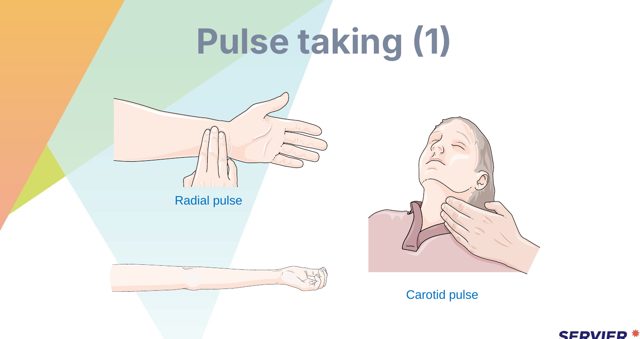
Palpating the pulse: the radial pulse with two fingertips on the thumb side of the wrist, and the carotid pulse at the side of the neckجسّ النبض: النبض الكعبري بطرفَي إصبعين على جهة الإبهام من الرسغ، والنبض السباتي على جانب العنقServier Medical Art · CC BY 4.0
8
4.7 · Respirations and Breathing Patterns٤٫٧ · التنفّس وأنماطه
Normal adult rate is 12 to 20 breaths per minute.Count for a FULL MINUTE if the pattern is irregular — and count WITHOUT the patient knowing: keep your fingers on the wrist as though still taking the pulse, because a patient who knows he is being watched changes how he breathes.
المعدّل الطبيعي للبالغ ١٢ إلى ٢٠ نفساً بالدقيقة. ويُعدّ التنفّس دقيقة كاملة إذا كان النمط غير منتظم، ويُعدّ دون علم المريض — تُبقى الأصابع على المعصم كأن النبض ما زال يُعدّ، لأن المريض الذي يعلم أنه مراقَب يغيّر طريقة تنفّسه.
•Respiratory rate is the EARLIEST and MOST NEGLECTED sign of deteriorationمعدّل التنفّس أبكر علامات التدهور وأكثرها إهمالاً
It rises BEFORE the pulseBefore the blood pressure falls, and before the saturation drops.يرتفع قبل النبض — وقبل هبوط الضغط وقبل هبوط التشبّع.
And it is the parameter most often ESTIMATED rather than countedOr copied from the last set — which removes the earliest warning the chart could have given.وهو الأكثر تقديراً بدل عدّه — أو نسخاً من المجموعة السابقة، وهذا يزيل أبكر إنذار كان يمكن للمخطّط أن يعطيه.
So count it, every time, for the time it takesIt is the single most valuable observation on the chart and the cheapest to obtain.فيُعدّ التنفّس كلّ مرّة وللمدة اللازمة — فهو أثمن قياس على المخطّط وأرخصه.
1
CHEYNE–STOKES
Cycles of DEEPENING then SHALLOWING breaths with APNOEIC PAUSES — seen in heart failure and at the end of life.
تنفّس شاين ستوكس — دورات تعمّق ثم تسطّح مع فترات انقطاع — تُرى في قصور القلب وفي نهاية الحياة.
2
KUSSMAUL
DEEP and RAPID — the compensation for METABOLIC ACIDOSIS, classically diabetic ketoacidosis.
Irregular, with irregular apnoeic periods — associated with raised intracranial pressure and brainstem injury.
تنفّس بيوت — غير منتظم بفترات انقطاع غير منتظمة — يرتبط بارتفاع الضغط داخل القحف وإصابة جذع الدماغ.
4
APNOEA
Cessation of breathing — recorded with its duration.
انقطاع النفس — يُسجَّل بمدّته.
5
And the signs of EFFORT
Accessory muscle use, nasal flaring, intercostal and subcostal recession, tracheal tug, and inability to speak a full sentence — all of which matter more than the number.
وعلامات الجهد — استخدام العضلات المساعدة وتوسّع المنخرين والانسحاب الوربي وتحت الضلعي وشدّ القصبة الهوائية (Tracheal tug) والعجز عن نطق جملة كاملة — وكلّها أهمّ من الرقم.
•The most neglected sign in the hospitalأكثر العلامات إهمالاً في المستشفى
Respiratory rate is the EARLIEST sign of deteriorationIt rises BEFORE the pulse, BEFORE the blood pressure falls, and BEFORE the saturation drops.معدّل التنفّس أبكر علامة تدهور — يرتفع قبل النبض وقبل هبوط الضغط وقبل انخفاض التشبّع.
And it is the parameter most often ESTIMATEDOr copied from the last set, or written as ‘18’ without anyone counting — which removes the earliest warning the system has.وهو الأكثر تقديراً — أو نسخاً من المجموعة السابقة، أو كتابة «١٨» دون أن يعدّها أحد — وهذا يزيل أبكر إنذار يتوافر للنظام.
So count it, every time, for realIt costs thirty seconds and it is the single most informative observation on the chart.فيُعدّ حقيقةً كلّ مرّة — يكلّف ثلاثين ثانية، وهو أكثر الملاحظات إفادةً على المخطّط.
1
CHEYNE–STOKES
Cycles of DEEPENING then SHALLOWING breaths with APNOEIC PAUSES — seen in heart failure and at the end of life.
تنفّس شاين ستوكس — دورات تعمّق ثم تسطّح مع فترات انقطاع — تُرى في قصور القلب وفي نهاية الحياة.
2
KUSSMAUL
DEEP and RAPID — the compensation for metabolic acidosis, classically diabetic ketoacidosis.
Irregular groups of breaths with irregular pauses — seen in central nervous system damage.
تنفّس بيوت — مجموعات أنفاس غير منتظمة بفترات توقّف غير منتظمة — تُرى في تلف الجهاز العصبي المركزي.
4
APNOEA, TACHYPNOEA, BRADYPNOEA
Absent, fast, slow — and a slow rate in a deteriorating patient is more sinister than a fast one, because it means exhaustion.
انقطاع وتسرّع وبطء التنفّس — والبطء لدى المريض المتدهور أنذر من السرعة، لأنه يعني الإنهاك.
Respiratory rate is the earliest and most neglected sign of deterioration. It rises before the pulse, before the blood pressure falls, and before the saturation drops, and it is the parameter most often recorded as a guess. A rate of 8 or below, or 25 or above, needs escalation whatever else is normal.
معدّل التنفّس أبكر علامات التدهور وأكثرها إهمالاً. فهو يرتفع قبل النبض، وقبل هبوط الضغط، وقبل انخفاض التشبّع، وهو المؤشّر الأكثر تسجيلاً بالتخمين. ومعدّل ٨ أو أقلّ، أو ٢٥ أو أكثر، يحتاج تصعيداً مهما كان غيره طبيعياً.
Patterns worth naming: Cheyne–Stokes, cycles of deepening then shallowing breaths with apnoeic pauses, seen in heart failure and at the end of life; Kussmaul, deep and rapid, the compensation for metabolic acidosis such as diabetic ketoacidosis; Biot's, irregular breaths with irregular pauses, seen in raised intracranial pressure; and apnoea, cessation.
أنماط تستحقّ التسمية: شاين ستوكس، دورات تعمّق ثم تسطّح مع فترات انقطاع، تُرى في قصور القلب وفي نهاية الحياة؛ وكوسماول، عميق وسريع، وهو تعويض الحماض الاستقلابي كالحماض الكيتوني السكّري؛ وبيوت، أنفاس غير منتظمة بفترات توقّف غير منتظمة، تُرى في ارتفاع الضغط داخل القحف؛ وانقطاع النفس، أي توقّف التنفّس.
🚩
Watch out
تنبيه
A respiratory rate recorded as exactly 18 or 20 on every set is usually a rate nobody counted. It is the single most commonly fabricated observation.
معدّل تنفّس مسجَّل ١٨ أو ٢٠ بالضبط في كلّ مجموعة هو عادةً معدّل لم يعدّه أحد. وهو أكثر الملاحظات اختلاقاً على الإطلاق.
9
4.8 · Oxygen Saturation٤٫٨ · تشبّع الأكسجين
Oxygen delivery devices — flow rates and approximate oxygen concentrations. A pulse oximeter measures the saturation of haemoglobin, not the amount of haemoglobin presentأجهزة إعطاء الأكسجين — معدّلات التدفّق والتراكيز التقريبية للأكسجين. ويقيس مقياس التأكسج النبضي تشبّع الهيموغلوبين لا كمّية الهيموغلوبين الموجودة. نص المخطط: أجهزة إعطاء الأكسجين — القنية الأنفية ١–٦ لتر/دقيقة (٢٤–٤٤٪)؛ القناع البسيط ٥–١٠ لتر/دقيقة (٤٠–٦٠٪)؛ قناع فنتوري بنسبة ثابتة (٢٤–٦٠٪)؛ القناع غير المعيد للتنفّس ١٠–١٥ لتر/دقيقة (٦٠–٩٠٪ فأكثر). القناع البسيط بأقلّ من ٥ لتر/دقيقة يسمح للمريض بإعادة استنشاق ثاني أكسيد الكربون الذي يزفره، وقناع فنتوري هو الذي يعطي نسبة معروفة.Educational schematic (AL-FAHAD diagram, not a patient image) · مخطط تعليمي توضيحي وليس صورة لمريض
Normal is 95 to 100% on room air.Pulse oximetry measures the PERCENTAGE OF HAEMOGLOBIN THAT IS SATURATED — NOT how much haemoglobin there is, and NOT how much oxygen is being delivered to the tissues.
الطبيعي على هواء الغرفة ٩٥ إلى ١٠٠٪. ويقيس مقياس التأكسج النبضي نسبة الهيموغلوبين المشبَّع بالأكسجين — لا كمّية الهيموغلوبين الموجودة، ولا مقدار الأكسجين الذي يصل فعلياً إلى الأنسجة.
•Which produces the two trapsوينتج عن ذلك الفخّان التاليان
A SEVERELY ANAEMIC patient can read 100%Because the little haemoglobin he has is fully saturated — while the tissues are starved. The number is true and useless.المريض المصاب بفقر دم شديد قد يقرأ ١٠٠٪ — فالقليل الذي لديه مشبَّع تماماً — بينما الأنسجة جائعة إلى الأكسجين. الرقم صحيح لكنه عديم الفائدة.
In CARBON MONOXIDE poisoning the reading is FALSELY HIGHThe oximeter cannot distinguish carboxyhaemoglobin from oxyhaemoglobin — so a poisoned patient reads normal.وفي التسمّم بأوّل أكسيد الكربون تكون القراءة عالية كاذبة — إذ لا يستطيع الجهاز التمييز بين الكربوكسي هيموغلوبين والأوكسي هيموغلوبين، فيقرأ المريض المسموم قراءة طبيعية.
ضعف الإرواء الطرفي واليدان الباردتان وهبوط الضغط — تُدفَّأ اليد أو يُنقل المجسّ إلى موضع مركزي.
2
MOTION
Shivering or tremor — the trace becomes noise.
الحركة — الرعشة أو الرجفان: تتحوّل الإشارة إلى تشويش.
3
NAIL POLISH or artificial nails
Remove it, or use a different site.
طلاء الأظافر أو الأظافر الصناعية — يُزال الطلاء أو يُستخدم موضع آخر.
4
Bright AMBIENT LIGHT
Cover the probe.
الضوء المحيط الساطع — يُغطّى المجسّ.
5
And always check the WAVEFORM or pulse signal
A reading without an adequate trace is not a reading — which is the single most useful habit here.
وتُفحص دائماً الموجة أو إشارة النبض — فقراءة بلا أثر كافٍ ليست قراءة، وهذه أنفع عادة على الإطلاق في هذا الشأن.
TREAT THE PATIENT, NOT THE NUMBER.If the saturation looks normal but the patient is BREATHLESS, TACHYPNOEIC, CONFUSED or GREY, THE CLINICAL PICTURE WINS and the reading is checked — reposition the probe, warm the hand, remove polish, and look at whether the waveform is adequate.
يُعالَج المريض لا الرقم. فإن بدا التشبّع طبيعياً والمريض يلهث أو متسرّع التنفّس أو مشوّش أو رمادي فالصورة السريرية تغلب، وتُراجَع القراءة — يُعاد وضع المجسّ وتُدفَّأ اليد ويُزال الطلاء ويُنظر في كفاية الشكل الموجي.
•Which produces two consequencesوينتج عن ذلك أمران
A severely ANAEMIC patient can read 99%Because the little haemoglobin he has is fully saturated — and he is still profoundly short of oxygen-carrying capacity.المريض المصاب بفقر دم شديد قد يقرأ ٩٩٪ — فالقليل لديه مشبَّع بالكامل — ومع ذلك تظلّ قدرته على حمل الأكسجين ناقصة نقصاً شديداً.
And in CARBON MONOXIDE poisoning the reading is FALSELY HIGHBecause the oximeter cannot distinguish carboxyhaemoglobin from oxyhaemoglobin — so a cherry-red, poisoned patient reads 100%.وفي تسمّم أوّل أكسيد الكربون القراءة مرتفعة كذباً — لأن الجهاز لا يميّز الكربوكسي هيموغلوبين عن الأوكسي هيموغلوبين، فيقرأ المريض المسموم ذو اللون الكرزي ١٠٠٪.
Poor perfusion / cold handsunreliable readingضعف الإرواء واليدان الباردتان — قراءة غير موثوقة
Hypotension, motionunreliableهبوط الضغط والحركة — غير موثوقة
Nail polish, artificial nailsunreliableطلاء الأظافر والأظافر الصناعية — غير موثوقة
Bright ambient lightunreliable — shield the probeالضوء المحيط الساطع — غير موثوقة؛ يُحجب المجسّ
Readings become unreliable with poor peripheral perfusion, cold hands, hypotension, motion, nail polish or artificial nails, and bright ambient light. In carbon monoxide poisoning the reading is falsely high, because the oximeter cannot distinguish carboxyhaemoglobin from oxyhaemoglobin — a patient can read 100% and be dying.
تصبح القراءات غير موثوقة مع ضعف الإرواء الطرفي، وبرودة اليدين، وهبوط الضغط، والحركة، وطلاء الأظافر أو الأظافر الصناعية، والضوء المحيط الساطع. وفي تسمّم أول أكسيد الكربون تكون القراءة مرتفعة كاذبة، لأن الجهاز لا يميّز الكربوكسي هيموغلوبين عن الأوكسي هيموغلوبين — فقد يقرأ المريض ١٠٠٪ وهو يحتضر.
⭐
Key point
نقطة أساسية
Saturation is the last thing to fall. Respiratory rate and conscious level change well before it, which is why a normal saturation never rules out deterioration.
التشبّع آخر ما ينخفض. فمعدّل التنفّس ومستوى الوعي يتغيّران قبله بكثير، ولهذا لا ينفي التشبّع الطبيعي التدهور أبداً.
🚩
Watch out
تنبيه
In carbon monoxide poisoning the oximeter reads high and reassuring. Suspect it from the history, not the number.
في تسمّم أول أكسيد الكربون يقرأ مقياس التأكسج رقماً مرتفعاً مطمئناً. يُشتبه به من القصّة لا من الرقم.
10
4.9 · Blood Pressure: What It Means٤٫٩ · ضغط الدم: ما الذي يعنيه
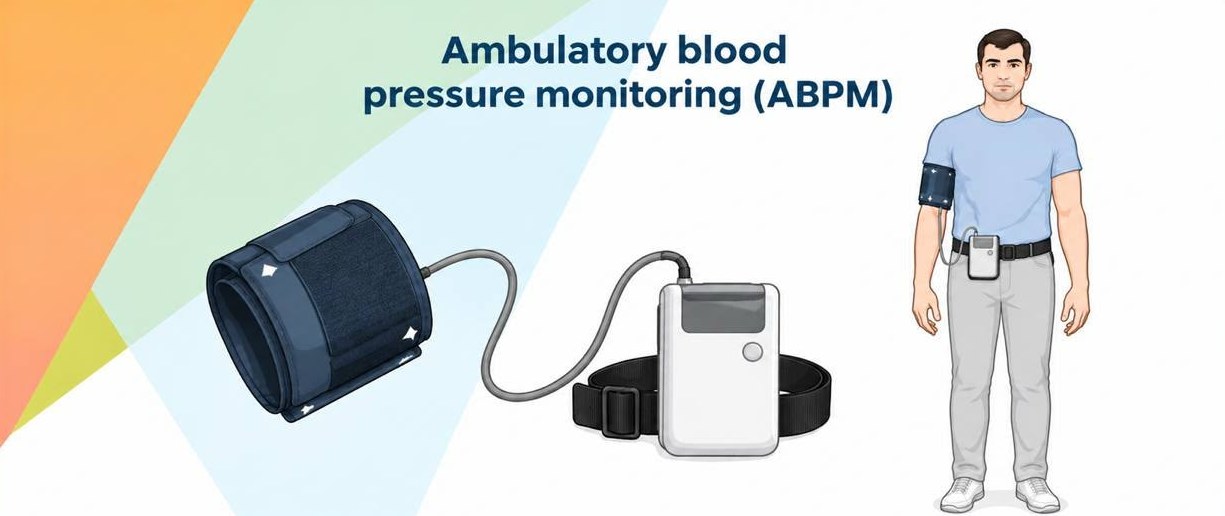
Ambulatory blood pressure monitoring (ABPM) with an upper-arm cuff and a belt-worn recorderالمراقبة المتنقّلة لضغط الدم (ABPM) باستخدام كفّة تُوضَع على أعلى الذراع وجهاز مسجِّل يُحمَل على الحزامAdapted from Servier Medical Art · CC BY 4.0Aneroid sphygmomanometer and stethoscope — the equipment for auscultatory blood pressure measurementمقياس ضغط أنيرويد (لازئبقي) وسمّاعة — أدوات قياس ضغط الدم بالإصغاء. نص المخطط: قياس ضغط الدم — الكفّة. مقاس الكفّة: عرض الكيس الهوائي نحو ٤٠٪ من محيط الذراع؛ الكفّة الصغيرة جداً تعطي قراءة مرتفعة كاذبة، والكبيرة جداً تعطي قراءة منخفضة كاذبة؛ تُسنَد الذراع بمستوى القلب.Educational schematic (AL-FAHAD diagram, not a patient image) · مخطط تعليمي توضيحي وليس صورة لمريض
SYSTOLICpressure during ventricular CONTRACTIONالانقباضي — أثناء تقلّص البطين
DIASTOLICpressure during RELAXATIONالانبساطي — أثناء الاسترخاء
PULSE PRESSUREsystolic minus diastolic — normally about 40 mmHg (roughly 30–50 mmHg)ضغط النبض — الانقباضي ناقص الانبساطي: طبيعياً نحو ٤٠ ملم زئبق (٣٠–٥٠ ملم زئبق تقريباً)
MAPdiastolic + ⅓ of pulse pressure — ≥65 mmHg generally needed to perfuse organsمتوسّط الضغط الشرياني — الانبساطي + ⅓ ضغط النبض — ٦٥ ملم زئبق فأكثر عادةً لإرواء الأعضاء
•What pulse pressure tells youما الذي يدلّ عليه ضغط النبض
It WIDENSWith stiff arteries and in raised intracranial pressure — where a widening pulse pressure with bradycardia is part of the Cushing response.يتّسع مع تصلّب الشرايين ومع ارتفاع الضغط داخل القحف — حيث يكون اتّساع ضغط النبض مع بطء القلب جزءاً من استجابة كوشينغ.
It NARROWSIn hypovolaemia, cardiac tamponade and heart failure — a narrowing pulse pressure appears BEFORE the systolic falls, which is what makes it useful.يضيق في نقص حجم الدم واندحاس القلب وقصور القلب — فضيق ضغط النبض يظهر قبل هبوط الضغط الانقباضي، وهذا ما يجعله مفيداً.
So calculate it rather than reading two numbers110/90 and 110/70 are not the same patient, and only one of them is worrying.فيُحسب ضغط النبض بدل قراءة رقمين — فـ١١٠/٩٠ و١١٠/٧٠ ليسا المريض نفسه، وإحدى الحالتين فقط مقلقة.
1
The FIRST sound heard as the cuff deflates
= the SYSTOLIC pressure.
أول صوت يُسمَع مع تفريغ الكفّة — هو الضغط الانقباضي.
2
The point at which the sounds DISAPPEAR
= the DIASTOLIC pressure.
النقطة التي تختفي عندها الأصوات — هي الضغط الانبساطي.
3
Deflate SLOWLY — about 2 to 3 mmHg per second
Deflating faster UNDERESTIMATES the systolic and OVERESTIMATES the diastolic.
يُفرَّغ ببطء — نحو ٢ إلى ٣ ملم زئبق بالثانية؛ فالتفريغ الأسرع يؤدي إلى تقدير الانقباضي بأقل من قيمته وتقدير الانبساطي بأكثر من قيمته.
4
And wait before repeating
At least a minute, with the cuff fully deflated — venous congestion from an immediate repeat gives a falsely narrow reading.
ويُنتظر قبل الإعادة — دقيقةً على الأقلّ والكفّة مفرَّغة تماماً؛ فالاحتقان الوريدي الناتج عن إعادة فورية يعطي قراءة ضيّقة بصورة كاذبة.
MEAN ARTERIAL PRESSURE is the average pressure DRIVING PERFUSION, approximated as the diastolic plus one third of the pulse pressure. A MAP of roughly 65 mmHg or above is generally taken as the minimum for adequate organ perfusion — which is why it, rather than the systolic, is the number watched in a critically ill patient.
متوسّط الضغط الشرياني هو الضغط الوسطي الذي يقود الإرواء ويُقارَب بالانبساطي زائد ثلث ضغط النبض. ويُعدّ متوسّط الضغط الشرياني البالغ نحو ٦٥ ملم زئبق أو أكثر عادةً الحدّ الأدنى لإرواء عضوي كافٍ — ولهذا فهو، لا الانقباضي، الرقم الذي يُراقَب لدى المريض الحرج.
Korotkoff sounds: the first sound heard as the cuff deflates is the systolic pressure; the point at which the sounds disappear is the diastolic. Deflate slowly, about 2 to 3 mmHg per second, or you will read the systolic too low and the diastolic too high.
أصوات كوروتكوف: أول صوت يُسمع مع تفريغ الكفّة هو الضغط الانقباضي؛ والنقطة التي تختفي عندها الأصوات هي الانبساطي. ويُفرَّغ ببطء، نحو ٢ إلى ٣ ملم زئبق في الثانية، وإلا قُرئ الانقباضي منخفضاً والانبساطي مرتفعاً.
ضغط النبض = الضغط الانقباضي − الضغط الانبساطي. متوسّط الضغط الشرياني ≈ الانبساطي + ⅓ ضغط النبض، ويحتاج الإرواء إلى متوسّط ضغط شرياني ٦٥ ملم زئبق فأكثر.
11
4.10 · Blood Pressure: Technique and Error٤٫١٠ · ضغط الدم: الأسلوب ومصادر الخطأ
Sphygmomanometer with cuff — cuff bladder width should be about 40% of the arm circumferenceمقياس الضغط مع الكفّة — ينبغي أن يكون عرض كيس الكفّة نحو ٤٠٪ من محيط الذراع. نص المخطط: قياس ضغط الدم — الكفّة. مقاس الكفّة: عرض الكيس الهوائي نحو ٤٠٪ من محيط الذراع؛ الكفّة الصغيرة جداً تعطي قراءة مرتفعة كاذبة، والكبيرة جداً تعطي قراءة منخفضة كاذبة؛ تُسنَد الذراع بمستوى القلب.Educational schematic (AL-FAHAD diagram, not a patient image) · مخطط تعليمي توضيحي وليس صورة لمريض
1
Seated and RESTED for five minutes
Back supported, legs UNCROSSED, feet FLAT, NOT TALKING.
جالساً ومستريحاً خمس دقائق — الظهر مسنود والساقان غير متقاطعتين والقدمان مسطّحتان وبلا كلام.
2
No caffeine or smoking for 30 minutes
Both raise it, and both are common just before a clinic reading.
لا كافيين ولا تدخين لثلاثين دقيقة — فكلاهما يرفع الضغط، وكلاهما شائع قبيل قراءة العيادة مباشرةً.
3
Arm supported AT HEART LEVEL
And bare — not through a rolled-up sleeve, which acts as a tourniquet.
الذراع مسنودة بمستوى القلب وعارية — لا عبر كمّ مطوي يعمل كعاصبة.
4
Correct CUFF SIZE — the commonest error
Bladder WIDTH about 40% of arm circumference; LENGTH about 80%.
حجم الكفّة الصحيح — أشيع خطأ: عرض الكيس نحو ٤٠٪ من محيط الذراع وطوله نحو ٨٠٪.
5
Palpate first to estimate the systolic
Then inflate 20–30 mmHg above it — which is what avoids the auscultatory gap.
يُجَسّ النبض أولاً لتقدير الانقباضي ثم يُنفَخ ٢٠ إلى ٣٠ ملم زئبق فوقه — وبذلك تُتفادى الفجوة الإصغائية.
6
And record the ARM and the POSITION
With the reading — so the next person compares like with like.
ويُسجَّل الذراع والوضعية مع القراءة — ليقارن الشخص التالي بين أمرين متماثلين.
Cuff TOO SMALLreads falsely HIGHكفّة صغيرة جداً — تقرأ مرتفعاً كذباً
Cuff TOO LARGEreads falsely LOWكفّة كبيرة جداً — تقرأ منخفضاً كذباً
Arm BELOW heart levelreads HIGHالذراع دون مستوى القلب — مرتفع
Arm ABOVE heart levelreads LOWالذراع فوق مستوى القلب — منخفض
Unsupported arm / legs crossedread HIGHذراع غير مسنودة أو ساقان متقاطعتان — مرتفع
Full bladder, pain, talkingread HIGHمثانة ممتلئة وألم وحديث — مرتفع
Deflating too FASTsystolic LOW, diastolic HIGHتفريغ سريع جداً — انقباضي منخفض وانبساطي مرتفع
An AUSCULTATORY GAP is a SILENT INTERVAL between the true systolic and the point where sounds resume — and it can make the systolic read FAR TOO LOW.
الفجوة الإصغائية فترة صامتة بين الانقباضي الحقيقي ونقطة عودة الأصوات — وقد تجعل الانقباضي يُقرأ أدنى بكثير.
•How to avoid it, and the errors that cause the restكيفية تجنّبها، والأخطاء التي تسبّب بقية الأخطاء
PALPATE the radial pulse to ESTIMATE the systolic FIRSTThen inflate 20 to 30 mmHg above that point — which carries you over the gap. This is the step that prevents it, and it is routinely skipped.يُجَسّ النبض الكعبري لتقدير الانقباضي أولاً — ثم يُنفَخ ٢٠ إلى ٣٠ ملم زئبق فوق تلك النقطة، وبذلك تُتجاوز الفجوة. وهذه هي الخطوة التي تمنعها، وكثيراً ما تُغفَل بصورة معتادة.
CUFF SIZE is the commonest error of allBladder WIDTH about 40% of arm circumference; LENGTH about 80%.Too SMALL reads falsely HIGH; too LARGE reads falsely LOW.حجم الكفّة أشيع خطأ على الإطلاق — عرض الكيس نحو ٤٠٪ من محيط الذراع وطوله نحو ٨٠٪؛ الصغيرة جداً تقرأ مرتفعاً كاذباً والكبيرة جداً تقرأ منخفضاً كاذباً.
Arm BELOW heart levelreads HIGHالذراع دون مستوى القلب — تقرأ مرتفعاً
Arm ABOVE heart levelreads LOWالذراع فوق مستوى القلب — تقرأ منخفضاً
UNSUPPORTED armreads HIGHذراع غير مسنودة — تقرأ مرتفعاً
LEGS CROSSEDreads HIGHساقان متقاطعتان — تقرأ مرتفعاً
Full bladder, pain, talking, cold roomall read HIGHمثانة ممتلئة وألم وكلام وغرفة باردة — كلّها ترفع القراءة
So the technique that removes most of these at once: seated and rested for five minutes, back supported, feet flat, legs uncrossed, arm supported at HEART LEVEL, correct cuff on a BARE arm, and nobody talking — and if the reading is abnormal, the first response is to repeat it properly rather than to act on it.
فالتقنية التي تُزيل معظمها معاً: جالساً ومستريحاً خمس دقائق وظهره مسنود وقدماه مسطّحتان وساقاه غير متقاطعتين وذراعه مسنودة بمستوى القلب مع كفّة مناسبة الحجم على ذراع عارية ودون أن يتحدّث أحد — وإن كانت القراءة شاذّة فالاستجابة الأولى إعادتها بشكل صحيح لا التصرّف بناءً عليها.
Cuff size is the commonest error. The bladder width should be about 40% of the arm circumference and the length about 80%. A cuff that is too small reads falsely high; a cuff that is too large reads falsely low. On a large arm this single mistake can create a diagnosis of hypertension that does not exist.
مقاس الكفّة أشيع الأخطاء. فينبغي أن يكون عرض الكيس نحو ٤٠٪ من محيط الذراع وطوله نحو ٨٠٪. والكفّة الصغيرة جداً تقرأ مرتفعاً كاذباً؛ والكبيرة جداً تقرأ منخفضاً كاذباً. وعلى ذراع كبيرة قد يُنشئ هذا الخطأ وحده تشخيصاً لارتفاع ضغط الدم لا وجود له.
Other errors and their direction: arm below heart level reads high, arm above heart level reads low; an unsupported arm reads high; legs crossed reads high; a full bladder, pain, talking and a cold room all read high; and deflating too fast reads systolic low and diastolic high.
أخطاء أخرى واتّجاهها: الذراع تحت مستوى القلب تقرأ مرتفعاً، وفوق مستوى القلب تقرأ منخفضاً؛ والذراع غير المسنودة تقرأ مرتفعاً؛ والساقان المتقاطعتان ترفعان القراءة؛ والمثانة الممتلئة والألم والكلام والغرفة الباردة ترفع القراءة؛ والتفريغ السريع يجعل الانقباضي يُقرأ منخفضاً والانبساطي مرتفعاً.
⭐
Key point
نقطة أساسية
Too small a cuff reads high, too large reads low. If you remember one direction, remember that the small cuff creates false hypertension.
الكفّة الصغيرة جداً تقرأ مرتفعاً والكبيرة جداً تقرأ منخفضاً. وإن كان المطلوب حفظ اتّجاه واحد فيُحفظ أن الكفّة الصغيرة جداً تخلق ارتفاعاً كاذباً في ضغط الدم.
🚩
Watch out
تنبيه
Do not use an arm with a fistula, on the side of a mastectomy, with a cannula or infusion running, or with lymphoedema or injury.
لا تُستخدم ذراع بها ناسور، ولا ذراع الجهة التي أُجري فيها استئصال ثدي، ولا ذراع بها قنية أو تسريب جارٍ، ولا ذراع بها وذمة لمفية أو إصابة.
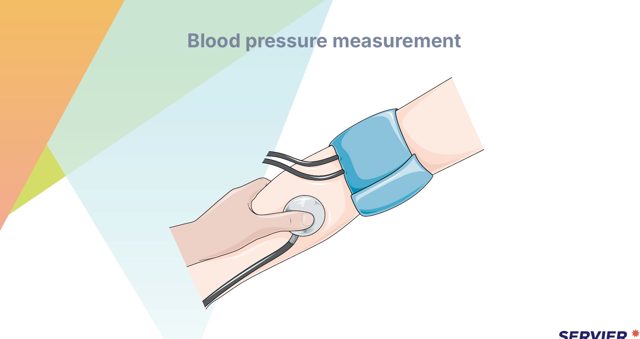
Auscultatory blood pressure measurement: the cuff wrapped around the bare upper arm and the stethoscope diaphragm placed over the brachial artery at the elbow crease, just below the cuffقياس ضغط الدم بالإصغاء: الكُفّة ملفوفة حول أعلى الذراع العارية، وغشاء السمّاعة موضوع فوق الشريان العضدي عند ثنية المرفق أسفل الكُفّة مباشرةًServier Medical Art · CC BY 4.0
12
4.11 · Blood Pressure: Classification and Orthostatic Drop٤٫١١ · ضغط الدم: التصنيف والهبوط الانتصابي
Classification thresholds differ slightly between guidelines, so learn the PATTERN rather than one table: an optimal adult pressure is around 120/80 or below, and readings above that move through elevated, then stage 1, then stage 2 hypertension, with a HYPERTENSIVE CRISIS at the top requiring urgent assessment.
تختلف حدود التصنيف قليلاً بين الإرشادات، لذلك ينبغي تعلّم النمط العام بدل حفظ جدول واحد: ضغط الدم المثالي للبالغ نحو ١٢٠/٨٠ أو أقل، ثم تنتقل القراءات التي تفوق ذلك عبر فئة «مرتفع»، ثم المرحلة الأولى، ثم المرحلة الثانية من ارتفاع ضغط الدم، وفي أعلاها أزمة ارتفاع ضغط الدم التي تستوجب تقييماً عاجلاً.
•Three rules that matter more than the exact numbersثلاث قواعد أهمّ من الأرقام الدقيقة
A SINGLE high reading is NOT a diagnosisConfirm on REPEAT measurement, and in BOTH ARMS at least once — a persistent difference between arms is itself a finding, and worth reporting.قراءة عالية واحدة ليست تشخيصاً — وتُؤكَّد بالإعادة وفي الذراعين مرّةً على الأقلّ؛ فالفرق المستمرّ بين الذراعين موجودة بحدّ ذاتها، وتستحقّ الإبلاغ عنها.
Consider the TECHNIQUE, the CUFF and the CONTEXT before actingPain, a full bladder, anxiety and the wrong cuff all produce a high reading in a patient who is not hypertensive.يُنظَر في التقنية والكفّة والسياق قبل التصرّف — فالألم والمثانة الممتلئة والقلق والكفّة غير المناسبة كلّها تُنتج قراءة مرتفعة لدى مريض غير مصاب بارتفاع ضغط الدم.
And a hypertensive CRISIS is assessed, not just recordedLook for headache, visual change, chest pain, breathlessness and neurological signs — which distinguish an emergency from a number.وأزمة ارتفاع ضغط الدم تُقيَّم لا تُسجَّل فقط — يُبحث عن الصداع وتغيّر الرؤية وألم الصدر وضيق التنفّس والعلامات العصبية، فهي التي تميّز حالة طارئة من مجرّد رقم.
1
ORTHOSTATIC HYPOTENSION is a defined measurement
A fall of 20 mmHg or more SYSTOLIC, or 10 mmHg or more DIASTOLIC, WITHIN THREE MINUTES OF STANDING — usually with a rise in pulse and often with dizziness.
هبوط الضغط الانتصابي قياس محدّد — هبوط ٢٠ ملم زئبق أو أكثر في الانقباضي، أو ١٠ ملم زئبق أو أكثر في الانبساطي، خلال ثلاث دقائق من الوقوف — عادةً مع ارتفاع في النبض وغالباً مع دوخة.
2
Measure SUPINE first
After lying for a few minutes.
يُقاس مستلقياً أولاً — بعد الاستلقاء لبضع دقائق.
3
Then SITTING, then STANDING
Repeating at one and three minutes standing, and asking about symptoms at each stage.
ثم جالساً ثم واقفاً — بالإعادة عند دقيقة وثلاث دقائق من الوقوف، مع السؤال عن الأعراض في كلّ مرحلة.
4
And STAY WITH HIM while you do it
The measurement is done on a patient you have just made dizzy on purpose — so a chair behind him and a hand ready are part of the technique.
ويجب البقاء مع المريض أثناء القياس. يُجرى هذا القياس على مريض أُحدِثت لديه الدوخة عمداً للتوّ؛ لذلك يكون وجود كرسي خلفه ويد جاهزة لمساندته جزءاً من طريقة القياس.
•A single high reading is NOT a diagnosisقراءة عالية واحدة ليست تشخيصاً
Confirm on REPEAT measurementAnd in BOTH ARMS at least once — a persistent difference between arms is itself a finding, and the higher arm is used thereafter.يجب التأكيد بقياس مكرّر — وفي الذراعين مرّةً على الأقلّ؛ فالفرق المستمرّ بين الذراعين موجودة بحدّ ذاتها، وتُستخدم الذراع ذات القراءة الأعلى بعد ذلك.
And consider whether the TECHNIQUE explains itCuff size, position, rest, talking, a full bladder — before anyone changes a drug.ويُنظَر هل تفسّره التقنية — حجم الكفّة والوضعية والراحة والكلام والمثانة الممتلئة — قبل أن يغيّر أحد دواءً.
But a very high reading with SYMPTOMS is differentChest pain, breathlessness, severe headache, visual change or neurological signs — that is escalated now, not repeated in an hour.لكن قراءة عالية جداً مع أعراض أمر مختلف — ألم الصدر أو ضيق التنفّس أو الصداع الشديد أو تغيّر الرؤية أو العلامات العصبية — وهذه تُصعَّد الآن ولا تُعاد بعد ساعة.
ORTHOSTATIC HYPOTENSIONa fall of ≥20 mmHg systolic OR ≥10 mmHg diastolicهبوط الضغط الانتصابي — هبوط ٢٠ ملم زئبق أو أكثر في الانقباضي، أو ١٠ ملم زئبق أو أكثر في الانبساطي
WithinTHREE minutes of standingخلال ثلاث دقائق من الوقوف
Usually witha RISE in pulse, and often dizzinessعادةً مع ارتفاع النبض ودوخة غالباً
How to measurelying, then sitting, then standing — with the specified pause at eachكيف يُقاس — مستلقياً ثم جالساً ثم واقفاً، مع الانتظار المحدّد في كلّ وضعية
A single high reading is not a diagnosis. Confirm on repeat measurement, in both arms at least once — a persistent difference between arms is itself a finding — and consider whether the technique, the cuff, pain, a full bladder or anxiety explains it.
القراءة المرتفعة الواحدة ليست تشخيصاً. ويجب تأكيدها بقياس معاد، وفي الذراعين مرّةً على الأقلّ — فالفرق المستمرّ بين الذراعين موجودة بحدّ ذاتها — ويُنظَر هل يفسّرها الأسلوب أو الكفّة أو الألم أو المثانة الممتلئة أو القلق.
Orthostatic hypotension is a fall of 20 mmHg or more systolic, or 10 mmHg or more diastolic, within three minutes of standing, usually with a rise in pulse and often with dizziness. Measure supine, then sitting, then standing, waiting one to three minutes at each stage, and stop if he becomes symptomatic.
هبوط الضغط الانتصابي هو انخفاض ٢٠ ملم زئبق أو أكثر انقباضياً، أو ١٠ ملم زئبق أو أكثر انبساطياً، خلال ثلاث دقائق من الوقوف، عادةً مع ارتفاع النبض وغالباً مع دوخة. يُقاس مستلقياً ثم جالساً ثم واقفاً، مع الانتظار من دقيقة إلى ثلاث دقائق في كلّ مرحلة، ويُتوقَّف عن القياس إن ظهرت على المريض أعراض.
🔑
Memory aid
مفتاح للحفظ
Orthostatic: 20 systolic or 10 diastolic within 3 minutes of standing. Commonest causes — dehydration, blood loss, and medication.
الانتصابي: ٢٠ انقباضياً أو ١٠ انبساطياً خلال ٣ دقائق من الوقوف. وأشيع الأسباب — الجفاف وفقد الدم والأدوية.
⭐
Key point
نقطة أساسية
A patient with orthostatic hypotension is a falls risk before he is anything else. Address the safety implication in the same breath as the reading.
المريض ذو الهبوط الانتصابي هو خطر سقوط قبل أيّ شيء آخر. تُعالَج مسألة السلامة المترتبة على ذلك في اللحظة نفسها التي تُسجَّل فيها القراءة.
13
4.12 · Pain: The Fifth Vital Sign٤٫١٢ · الألم: العلامة الحيوية الخامسة
The governing principle: PAIN IS WHATEVER THE PERSON EXPERIENCING IT SAYS IT IS, EXISTING WHENEVER HE SAYS IT DOES. It is SUBJECTIVE BY DEFINITION, and the patient’s report OUTRANKS the observation of any professional.
المبدأ الحاكم: الألم هو ما يقوله من يعانيه وموجود متى قال إنه موجود. وهو ذاتي بالتعريف وتقرير المريض يتقدّم على ملاحظة أيّ مختص صحي.
1
SITE
Where — and ask him to point.
الموضع — أين: ويُطلب منه أن يشير.
2
ONSET
When it started, and how it began.
البدء — متى بدأ وكيف.
3
CHARACTER
His own words — burning, crushing, stabbing, dull.
الطابع — بكلماته: حارق أو ساحق أو طاعن أو كليل.
4
RADIATION
Does it go anywhere.
الانتشار — هل يمتدّ إلى مكان آخر.
5
ASSOCIATED features, and TIMING
Nausea, sweating, breathlessness; constant or intermittent.
Scored on a scale THE PATIENT CAN ACTUALLY USE — numeric, verbal descriptor, or faces.
المفاقِمات والمخفِّفات والشدّة — تُقيَّم على مقياس يستطيع المريض استخدامه فعلاً: رقمي أو وصفي لفظي أو بالوجوه.
•Two rules that decide whether the assessment is worth anythingقاعدتان تحدّدان ما إذا كان للتقييم أيّ قيمة
REASSESS after every intervention, TIMED TO THE ROUTEIntravenous at about 15 to 30 minutes; oral at about 30 to 60 minutes.Reassessing at the end of the shift tells you nothing about the drug you gave.يجب إعادة التقييم بعد كلّ تدخّل بتوقيت يتبع طريق الإعطاء — نحو ١٥ إلى ٣٠ دقيقة بعد الدواء الوريدي، ونحو ٣٠ إلى ٦٠ دقيقة بعد الفموي. أما إعادة التقييم في نهاية المناوبة فلا تدلّ على شيء بشأن الدواء الذي أُعطي.
VITAL SIGNS are UNRELIABLE indicators of painThey may rise in ACUTE pain and are typically NORMAL in CHRONIC pain — so a patient reporting 8 out of 10 with a normal pulse and blood pressure is NOT exaggerating. This is the point that changes practice.العلامات الحيوية مؤشّرات غير موثوقة للألم — فقد ترتفع في الألم الحادّ وتكون طبيعية عادةً في المزمن، ولذلك فمن يبلّغ ٨ من ١٠ بنبض وضغط دم طبيعيين لا يبالغ. وهذه هي النقطة التي تغيّر الممارسة.
1
Assess it like any symptom
Site, onset, character, radiation, associated features, timing, what makes it better or worse, and severity.
يُقيَّم كأيّ عرَض — الموضع والبدء والطابع والانتشار والأعراض المصاحبة والتوقيت وما يحسّنه أو يزيده سوءاً والشدّة.
2
Score severity on a scale the PATIENT can use
Numeric, verbal descriptor, or faces — and use the SAME scale each time, or the trend is meaningless.
تُدرَّج الشدّة بمقياس يستطيع المريض استخدامه — رقمي أو وصفي لفظي أو بالوجوه — ويُستخدم المقياس نفسه كلّ مرّة، وإلا فلا معنى للمنحى.
3
Ask what it STOPS HIM DOING
Which is often more useful than the number — and is what improvement is measured against.
يُسأل عمّا يمنعه الألم من فعله — وهذا أنفع من الرقم غالباً، وهو ما يُقاس عليه التحسّن.
4
REASSESS after every intervention, TIMED TO THE ROUTE
Intravenous at about 15–30 minutes; oral at about 30–60 minutes.Reassessing at the end of the shift evaluates nothing.
يجب إعادة التقييم بعد كلّ تدخّل بتوقيت يناسب طريق الإعطاء — نحو ١٥ إلى ٣٠ دقيقة للدواء الوريدي ونحو ٣٠ إلى ٦٠ دقيقة للفموي. أما إعادة التقييم في نهاية المناوبة فلا تقيّم شيئاً.
•Vital signs are UNRELIABLE indicators of painالعلامات الحيوية مؤشّرات غير موثوقة للألم
They may rise in ACUTE painAnd are typically NORMAL in CHRONIC pain — because the body adapts.قد ترتفع في الألم الحادّ وهي طبيعية عادةً في المزمن — لأن الجسم يتكيّف.
So a patient reporting 8 out of 10 with a normal pulse and blood pressureIs NOT exaggerating — and the observations are not evidence against him.فمريض يبلّغ ٨ من ١٠ بنبض وضغط طبيعيين لا يبالغ — وليست القياسات دليلاً ضدّه.
And the sleeping patientA patient can sleep in severe pain — from exhaustion. Sleep is not evidence of comfort, and it is a classic exam stem.والمريض النائم — يمكن النوم في ألم شديد من الإنهاك. والنوم ليس دليلاً على الراحة، وهو مقدّمة سؤال امتحاني كلاسيكية.
Assess it the way you assess any symptom: site, onset, character, radiation, associated features, timing, what makes it better or worse, and severity. Severity is scored on a scale the patient can actually use, most often the numeric rating scale of 0 to 10 or a verbal descriptor scale.
يُقيَّم كما يُقيَّم أيّ عرَض: الموضع، والبدء، والطابع، والانتشار، والمصاحبات، والتوقيت، وما يحسّنه أو يزيده، والشدّة. وتُقاس الشدّة بمقياس يستطيع المريض استخدامه فعلاً، وأشيعه المقياس الرقمي من ٠ إلى ١٠ أو مقياس وصفي لفظي.
Reassess after every intervention, timed to the route. An intravenous analgesic is reassessed at about 15 to 30 minutes, an oral one at about 30 to 60 minutes. Reassessing at the end of the shift tells you nothing about whether the dose worked or whether it needs escalating.
يجب إعادة التقييم بعد كلّ تدخّل بتوقيت يتبع طريق الإعطاء. فالمسكّن الوريدي يُعاد تقييمه بعد نحو ١٥ إلى ٣٠ دقيقة، والفموي بعد نحو ٣٠ إلى ٦٠ دقيقة. أما إعادة التقييم في نهاية المناوبة فلا تدلّ على شيء بشأن نجاح الجرعة أو حاجتها إلى التصعيد.
Vital signs are unreliable indicators of pain. They may rise in acute pain and are typically normal in chronic pain, so a patient reporting 8 out of 10 with a normal pulse and blood pressure is not exaggerating — chronic pain usually does not produce an evident sympathetic response, because the body adapts.
العلامات الحيوية مؤشّرات غير موثوقة للألم. فقد ترتفع في الألم الحادّ وتكون عادةً طبيعية في الألم المزمن، فالمريض الذي يذكر ٨ من ١٠ بنبض وضغط طبيعيين لا يبالغ — فالألم المزمن لا يُنتج عادةً استجابة ودّية ظاهرة، لأن الجسم يتكيّف مع الألم.
🚩
Watch out
تنبيه
Never adjust a patient's reported score to fit how he looks. Charting 4 when he said 8 is falsification, and it removes his access to analgesia.
لا يجوز أبداً تعديل الدرجة التي يذكرها المريض لتناسب مظهره. فتدوين ٤ وقد قال ٨ تزوير، ويحرمه من الوصول إلى المسكّن.
14
4.13 · Pain in Patients Who Cannot Self-Report٤٫١٣ · الألم لدى من لا يستطيع التبليغ عن نفسه
When a patient cannot rate his own pain, use an OBSERVATIONAL BEHAVIOURAL TOOL matched to the population — NOT a guess.
حين لا يستطيع المريض تقييم ألمه يجب استخدام أداة سلوكية رصدية مطابقة للفئة — لا التخمين.
1
GRIMACING, guarding, rigidity
The face is the most reliable channel.
التكشير والحماية والتصلّب — فالوجه أوثق قناة.
2
Restlessness and MOANING
Or, equally, unusual stillness.
التململ والأنين — أو السكون غير المعتاد بالمثل.
3
RESISTING CARE
Pulling away during turning or washing — frequently recorded as non-cooperation.
مقاومة الرعاية — الانسحاب أثناء التقليب أو الغسل، وكثيراً ما يُدوَّن على أنه عدم تعاون.
4
Changes in SLEEP or APPETITE
Which show up over days rather than minutes.
تغيّرات النوم أو الشهية — وتظهر على مدى أيام لا دقائق.
5
And NEW AGITATION or NEW WITHDRAWAL
This one carries the most weight.New agitation or new confusion in an older patient who cannot report pain is treated as PAIN until something else is found — and a trial of analgesia is a reasonable diagnostic step, not a sedative shortcut.
وهياج جديد أو انسحاب جديد — وهذا الأثقل وزناً. ويُعامَل الهياج الجديد أو التشوّش الجديد لدى مسنّ لا يستطيع الإبلاغ عن الألم على أنه ألم حتى يُوجَد سبب آخر — وتجربة التسكين خطوة تشخيصية معقولة، وليست اختصاراً بالمهدّئات.
A child who can point can often use a FACES scale from about age three, and a NUMERIC scale becomes reliable at around seven to eight. Match the tool to the DEVELOPMENTAL STAGE, not the birthday — and a validated behavioural tool is used below that, and for any child who cannot engage with a scale.
الطفل الذي يستطيع الإشارة يمكنه غالباً استخدام مقياس الوجوه من نحو الثالثة والمقياس الرقمي يصير موثوقاً نحو السابعة أو الثامنة. وتُطابَق الأداة مع المرحلة التطوّرية لا مع تاريخ الميلاد — وتُستخدم أداة سلوكية مثبتة الصلاحية دون ذلك العمر، ولأيّ طفل لا يستطيع التعامل مع مقياس.
1
FLACC
Face, Legs, Activity, Cry, Consolability — for infants and young children, and for older patients who cannot report.
FLACC — الوجه والساقان والنشاط والبكاء والقابلية للتهدئة؛ للرضّع والأطفال الصغار، وللمرضى الأكبر سنّاً الذين لا يستطيعون الإبلاغ.
2
A FACES scale from about age three
For a child who can point.
مقياس الوجوه من نحو الثالثة — لطفل يستطيع الإشارة.
3
A NUMERIC scale from about seven to eight
Match the tool to the DEVELOPMENTAL stage, not the birth date.
مقياس رقمي من نحو السابعة إلى الثامنة — تُطابَق الأداة مع المرحلة التطوّرية لا مع تاريخ الميلاد.
4
And a dementia-specific behavioural tool
For a patient with advanced cognitive impairment.
وأداة سلوكية خاصّة بالخرف — لمريض لديه ضعف إدراكي متقدّم.
Moaning, resisting careparticularly during movement or washingأنين ومقاومة الرعاية، ولا سيما أثناء الحركة أو الغسل
Changes in sleep or appetiteover daysتغيّرات في النوم أو الشهية على مدى أيام
NEW agitation or NEW confusionwhich is pain until proved otherwise in an older patientهياج أو تشوّش جديد — ألم حتى يُثبَت خلافه في مسنّ
That last one carries the most weight: new agitation or new confusion in an older patient who cannot report pain is treated as PAIN until something else is found — and a trial of analgesia is a reasonable diagnostic step, not a shortcut.
الأخيرة تحمل الوزن الأكبر: أن الهياج أو التشوّش الجديد في مسنّ لا يستطيع الإبلاغ يُعالَج كألم حتى يُوجَد غيره — وتجربة التسكين خطوة تشخيصية معقولة، وليست طريقاً مختصراً.
Behavioural signs in a patient who cannot speak: grimacing, guarding, rigidity, restlessness, moaning, resisting care, changes in sleep or appetite, and — importantly — new agitation or new withdrawal. In dementia, a change in behaviour is often the only presentation of pain, and it is frequently treated as a psychiatric symptom instead.
علامات سلوكية لدى من لا يتكلّم: التكشير، والحماية، والتصلّب، والتململ، والأنين، ومقاومة الرعاية، وتغيّر النوم أو الشهيّة، والأهمّ — هياج جديد أو انسحاب جديد. وفي الخرف، يكون تغيّر السلوك غالباً هو التظاهر الوحيد للألم، وكثيراً ما يُعالَج بوصفه عرَضاً نفسياً بدلاً من ذلك.
⭐
Key point
نقطة أساسية
In advanced dementia, new agitation is pain until proved otherwise. Assess with PAINAD and consider an analgesic trial before an antipsychotic.
في الخرف المتقدّم، الهياج الجديد ألمٌ حتى يثبت العكس. يُقيَّم بـ PAINAD ويُنظَر في تجربة مسكّن قبل مضادّ الذهان.
BMIweight in kg ÷ height in m²مؤشّر كتلة الجسم — الوزن بالكيلوغرام مقسوماً على مربّع الطول بالمتر
Under 18.5underweightدون ١٨٫٥ — نقص وزن
18.5–24.9normal١٨٫٥ إلى ٢٤٫٩ — طبيعي
25–29.9overweight٢٥ إلى ٢٩٫٩ — زيادة وزن
30 and aboveobese٣٠ فأكثر — سمنة
It is a SCREENING tool, not a diagnosis — it does not distinguish muscle from fat, and it misleads in a very muscular person, in the very old, and in pregnancy. Waist circumference adds what BMI misses, because central fat carries the metabolic risk.
هو أداة مسح لا أداة تشخيص — فهو لا يميّز العضلات من الشحم، ويضلّل لدى الشخص شديد العضلية ولدى المتقدّمين جداً في السنّ وفي الحمل. ويضيف محيط الخصر ما يفوت المؤشّر، لأن الشحم المركزي يحمل الخطر الاستقلابي.
1
UNINTENTIONAL weight loss
How much, over how long — and it is the single most important nutritional question.
فقدان الوزن غير المقصود — ما مقداره وعلى مدى أي مدّة، وهو أهمّ سؤال تغذوي على الإطلاق.
2
REDUCED intake
And why — appetite, nausea, pain, mood, money, or nobody to cook.
نقص الوارد — ولماذا: الشهية أو الغثيان أو الألم أو المزاج أو المال أو غياب من يطبخ.
3
Difficulty CHEWING or SWALLOWING
Teeth, dentures, a dry mouth, or a swallow problem.
صعوبة المضغ أو البلع — الأسنان أو أطقم الأسنان أو جفاف الفم أو مشكلة في البلع.
4
And the CLINICAL signs
Loose clothing, dentures that no longer fit, a ring that turns — which patients notice long before a scale does.
والعلامات السريرية — ملابس واسعة وأطقم أسنان لم تعد تناسب وخاتم يدور في الإصبع — وهي علامات يلاحظها المرضى قبل الميزان بزمن طويل.
5
DAILY WEIGHT is the best measure of FLUID status
In heart failure, renal failure or on diuretics — roughly 1 kg equals 1 litre.Only useful if done CONSISTENTLY: same scale, same time of day, same clothing, after voiding.
الوزن اليومي أفضل مقياس لحالة السوائل — لدى مريض بقصور قلب أو فشل كلوي أو على مدرّات؛ إذ يعادل كيلوغرام واحد نحو لتر واحد. ولا يفيد إلا إذا أُجري باتّساق: الميزان نفسه والوقت نفسه من اليوم والملابس نفسها، وبعد التبوّل.
Nutritional risk is screened on more than weight: unintentional weight loss, reduced intake, difficulty chewing or swallowing, a poor appetite, and the clinical signs — loose clothing or dentures, thin hair, poor wound healing, brittle nails and muscle wasting at the temples and shoulders.
الخطر التغذوي يُمسَح بأكثر من الوزن: فقدان وزن غير مقصود، وقلّة الوارد، وصعوبة المضغ أو البلع، وضعف الشهيّة، والعلامات السريرية — ملابس أو أطقم أسنان صارت واسعة، وشعر رقيق، وضعف التئام الجروح، وأظافر هشّة، وضمور عضلي في الصدغين والكتفين.
Daily weight is the single best measure of fluid status in a patient with heart failure, renal failure or on diuretics — roughly 1 kg equals 1 litre. It is only useful if it is done consistently: same scale, same time of day, same clothing, after voiding.
الوزن اليومي أفضل مقياس منفرد لحالة السوائل لدى مريض بقصور قلب أو فشل كلوي أو على مدرّات — إذ يعادل كيلوغرام واحد نحو لتر واحد. وهو نافع فقط إن أُجري باتّساق: الميزان نفسه، والوقت نفسه من اليوم، والملابس نفسها، وبعد التبوّل.
🔑
Memory aid
مفتاح للحفظ
BMI = kg ÷ m². A weight gain of 1 kg overnight is a litre of fluid, not a kilogram of tissue.
مؤشّر كتلة الجسم = الكيلوغرام ÷ مربّع المتر. وزيادة كيلوغرام في ليلة لتر من السوائل لا كيلوغرام من النسيج.
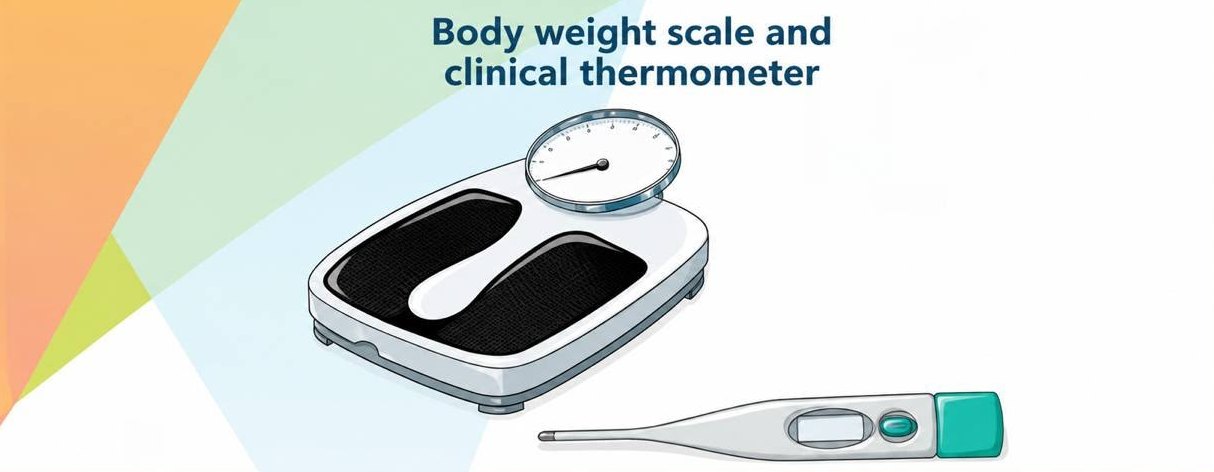
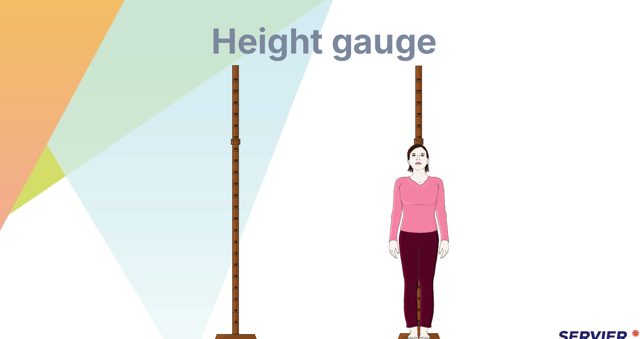
A body weight scale with a dial, and a digital clinical thermometerميزان قياس وزن الجسم بقرص مؤشّر، ومقياس حرارة طبي رقميAdapted from Servier Medical Art · CC BY 4.0Height measurement with a stadiometer: a vertical measuring rod on a base plate, shown empty and with a woman standing upright against itقياس الطول بالمِقياس الرأسي (ستاديومتر): قضيب قياس عمودي مثبّت على قاعدة، يظهر فارغاً ومع امرأة تقف منتصبةً بمحاذاتهServier Medical Art · CC BY 4.0
16
4.15 · Skin, Hair and Nails٤٫١٥ · الجلد والشعر والأظافر
Assess COLOUR, TEMPERATURE, MOISTURE, TEXTURE, TURGOR and any LESIONS.Pallor, cyanosis and jaundice are best seen where the skin is THIN and PIGMENT is LEAST: conjunctivae, oral mucosa, nail beds, palms and soles — which matters especially in darker skin, where these changes are missed on the face and arms.
يُقيَّم اللون والحرارة والرطوبة والقوام والمرونة وأيّ آفات. والشحوب والزُّراق واليرقان تُرى أفضل حيث يكون الجلد رقيقاً والصبغة أقلّ: الملتحمتان والغشاء المخاطي الفموي وأسرّة الأظافر والراحتان والأخمصان — ويهمّ ذلك خصوصاً في البشرة الداكنة، إذ تفوت هذه التغيّرات في الوجه والذراعين.
1
CAPILLARY REFILL
Press the nail bed until it BLANCHES and release; colour should return in UNDER about TWO SECONDS. Delay suggests poor peripheral perfusion — but a COLD ROOM, age and lighting all affect it, so it is one sign among several.
إعادة امتلاء الشعيرات الدموية — يُضغط على سرير الظفر حتى يشحب لونه ثم يُترك؛ ويجب أن يعود اللون خلال أقل من نحو ثانيتين. وتأخّر عودته يوحي بضعف الإرواء الطرفي — لكن برودة الغرفة والعمر والإضاءة تؤثّر فيه جميعاً، فهو علامة واحدة من بين عدة علامات.
2
PITTING OEDEMA
Graded by DEPTH and RECOVERY, conventionally 1+ to 4+ — from a barely detectable pit that rebounds immediately, to a deep pit that remains for a long time. Record the grade AND the site.
الوذمة الانطباعية — تُدرَّج بحسب العمق وسرعة العودة، عرفاً من ١+ إلى ٤+، من انطباع يكاد لا يُكتشف ويرتدّ فوراً إلى انطباع عميق يبقى طويلاً. وتُسجَّل الدرجة والموضع معاً.
3
SKIN TURGOR
Tested over the STERNUM or the FOREHEAD in adults — NOT the back of the hand, where loss of elasticity with age gives a FALSE impression of dehydration.
مرونة الجلد — تُفحص لدى البالغين فوق القصّ أو الجبهة، لا على ظهر اليد، حيث يعطي فقدان المرونة مع التقدّم في العمر انطباعاً كاذباً بالجفاف.
4
CLUBBING
Loss of the normal angle at the nail bed — associated with chronic hypoxia, lung disease, cyanotic heart disease and some gastrointestinal conditions. It develops slowly, so it is a chronic sign.
تعجّر الأصابع — فقدان الزاوية الطبيعية عند سرير الظفر، ويرتبط بنقص الأكسجة المزمن وأمراض الرئة وأمراض القلب الزُّراقية وبعض أمراض الجهاز الهضمي. ويتطوّر ببطء، ولذلك فهو علامة مزمنة.
Capillary refill: press the nail bed until it blanches and release; colour should return in under about two seconds. Delay suggests poor peripheral perfusion — but a cold room or cold hands will delay it in a well patient, so interpret it alongside everything else.
إعادة امتلاء الشعيرات الدموية: يُضغط على سرير الظفر حتى يشحب ثم يُترك؛ وينبغي أن يعود اللون في أقلّ من نحو ثانيتين. والتأخّر يوحي بضعف الإرواء الطرفي — لكن غرفة باردة أو يدين باردتين تؤخّرانه لدى مريض سليم، فيُفسَّر إلى جانب كلّ ما عداه.
Pitting oedema is graded by depth and recovery, conventionally 1+ to 4+, from a barely detectable pit that rebounds immediately to a deep pit that remains for a long time. Record the grade, the level it extends to, and whether it is one-sided — unilateral oedema with pain and warmth is a possible deep vein thrombosis, not simple oedema.
الوذمة الانطباعية تُدرَّج بالعمق وسرعة العودة، عرفاً من ١+ إلى ٤+، من انطباع يكاد لا يُكتشف ويعود فوراً إلى انطباع عميق يبقى طويلاً. وتُدوَّن الدرجة والمستوى الذي تمتدّ إليه وهل هي أحادية الجانب — فالوذمة أحادية الجانب المصحوبة بألم ودفء تدلّ على خثار وريدي عميق محتمل لا على وذمة بسيطة.
Skin turgor is tested over the sternum or the forehead in adults, not the back of the hand, where loss of elasticity with age gives a false impression of dehydration. Clubbing of the fingers suggests chronic hypoxia or certain cardiac and pulmonary diseases.
مرونة الجلد تُختبَر فوق القصّ أو الجبهة لدى البالغين، لا ظهر اليد، حيث يعطي فقدان المرونة بالعمر انطباعاً كاذباً بالجفاف. وتعجّر الأصابع يوحي بنقص أكسجة مزمن أو أمراض قلبية ورئوية معيّنة.
⭐
Key point
نقطة أساسية
In darker skin, assess pallor, cyanosis and jaundice in the conjunctivae, oral mucosa, palms and soles. Assessing them from the face alone misses them.
في البشرة الداكنة، يُقيَّم الشحوب والزُّراق واليرقان في الملتحمتين والغشاء الفموي والراحتين والأخمصين. فتقييمها من الوجه وحده يُفوّتها.
Rate, depth, rhythm, SYMMETRY of chest movement, use of ACCESSORY muscles, intercostal or subcostal RECESSION, the position he has adopted, and whether he can speak in full sentences.
التفتيش أولاً — المعدّل والعمق والانتظام وتناظر حركة الصدر واستخدام العضلات المساعدة والانسحاب بين الأضلاع أو تحت الحافة الضلعية ووضعية الجسم التي اتخذها المريض وقدرته على الكلام بجمل كاملة.
2
The sentence test
Speaking in words rather than sentences is a severity marker you can assess from the door — and it needs no equipment.
اختبار الجملة — الكلام بكلمات لا بجمل علامة شدّة يمكن تقييمها من عند الباب، ولا تحتاج إلى أيّ معدّات.
3
AUSCULTATE systematically
Comparing SIDE WITH SIDE, from apices to bases, FRONT AND BACK — and on skin.
يُجرى الإصغاء بمنهجية — مقارنةً جانباً بجانب من القمم إلى القواعد أماماً وخلفاً، وعلى الجلد مباشرةً.
4
CRACKLES — discontinuous
Suggest FLUID, or collapsed alveoli REOPENING.
خراخر — متقطّعة: توحي بسائل أو أسناخ منهارة تعاود الانفتاح.
5
WHEEZE — continuous and musical
Suggests NARROWED airways. And the warning: a SILENT chest in an asthmatic is WORSE than a wheezing one, because no air is moving.
أزيز — مستمرّ وموسيقي: يوحي بتضيّق المجاري الهوائية. والتحذير: الصدر الصامت لدى مريض الربو أسوأ من الصدر المصحوب بأزيز، لأنه لا يتحرّك فيه هواء.
6
STRIDOR — upper airway
Heard without a stethoscope, and it is an emergency.
صرير — المجرى الهوائي العلوي: يُسمَع بلا سمّاعة وهو حالة إسعافية.
Ask about the COUGH and what it produces, and assess EXERCISE TOLERANCE in FUNCTIONAL terms — how many stairs, how far along the corridor. That is more informative than a saturation reading taken at rest, and it is what changes when he improves or deteriorates.
يُسأل عن السعال وما يُنتجه، ويُقيَّم تحمّل الجهد بعبارات وظيفية — كم درجة سلّم وإلى أي مسافة في الممرّ. فذلك أكثر إفادةً من قراءة تشبّع مأخوذة في الراحة، وهو ما يتغيّر حين يتحسّن المريض أو يتدهور.
Auscultate SYSTEMATICALLY, comparing SIDE WITH SIDE, from apices to bases, FRONT AND BACK.Comparing left with right at the same level is what makes a difference audible — listening down one side then the other does not.
يُجرى الإصغاء بمنهجية مقارنةً جانباً بجانب من القمم إلى القواعد أماماً وخلفاً. ومقارنة اليسار باليمين عند المستوى نفسه هي التي تجعل الفرق مسموعاً — أما الإصغاء إلى جانب واحد من الأعلى إلى الأسفل ثم إلى الجانب الآخر فلا يفعل ذلك.
🚩
Watch out
تنبيه
Stridor, an inability to speak in sentences, a silent chest in an asthmatic, and exhaustion in a breathless patient are all emergencies. Escalate before completing the assessment.
الصرير، والعجز عن الكلام بجمل، والصدر الصامت لدى مريض ربو، والإنهاك لدى مريض يلهث — كلّها طوارئ. يُصعَّد قبل إكمال التقييم.
Heart rate and rhythm, blood pressure, capillary refill, skin temperature and colour, peripheral pulses in BOTH limbs, and URINE OUTPUT.
تُقيَّم التروية المركزية والطرفية معاً — معدّل القلب ونظمه وضغط الدم وإعادة امتلاء الشعيرات الدموية وحرارة الجلد ولونه والنبضات الطرفية في الطرفين كليهما وإدرار البول.
2
Urine output is an ORGAN-PERFUSION measure
Not just a fluid measure — the kidney is sacrificed early to protect the brain and heart, so a falling output is an early perfusion sign.
إدرار البول مقياس لتروية الأعضاء — لا مقياس سوائل فقط؛ إذ يُضحَّى بالكلية مبكراً لحماية الدماغ والقلب، ولذلك فانخفاض الإدرار علامة مبكرة على ضعف التروية.
3
PALPATE peripheral pulses BILATERALLY and COMPARE
Radial, brachial, femoral, popliteal, posterior tibial, dorsalis pedis — graded absent, weak, normal or bounding.
تُجَسّ النبضات الطرفية في الجانبين وتُقارَن — الكعبري والعضدي والفخذي والمأبضي والظنبوبي الخلفي وظهر القدم — وتُدرَّج: غائب أو ضعيف أو طبيعي أو وثّاب.
4
An ABSENT or clearly DIFFERENT pulse is escalated
Particularly after a procedure, a cast, or in a cold, painful limb — and it is marked so the next person checks the same spot.
نبض غائب أو مختلف بوضوح يُصعَّد — ولا سيما بعد إجراء أو جبيرة أو في طرف بارد مؤلم — ويُعلَّم موضعه ليفحص من يليه الموضع نفسه.
5
JUGULAR VENOUS PRESSURE rises
In fluid overload and right heart failure.
الضغط الوريدي الوداجي يرتفع — في فرط الحمل السوائلي وقصور القلب الأيمن.
6
And look for OEDEMA where GRAVITY puts it
DEPENDENT in the ANKLES in a mobile patient, but over the SACRUM in one who has been in bed — which is the site most often missed, because nobody rolls him to look.
ويُبحث عن الوذمة حيث تضعها الجاذبية — انحدارية في الكاحلين لدى المريض المتحرّك، لكنها فوق العجز لدى طريح الفراش، وهو الموضع الأكثر إغفالاً، لأن أحداً لا يقلّب المريض لينظر.
يُجسّ في الجانبين وتُجرى المقارنة — الكعبري والعضدي والفخذي والمأبضي والظنبوبي الخلفي وظهر القدم.
2
GRADE them
Absent, weak, normal or bounding.
تُدرَّج النبضات — غائب أو ضعيف أو طبيعي أو وثّاب.
3
An ABSENT or newly weak pulse in a limb is URGENT
Particularly with pain, pallor, coldness or altered sensation — acute limb ischaemia is time-critical.
غياب النبض في طرف أو ضعفه حديثاً حالة عاجلة — ولا سيما مع الألم أو الشحوب أو البرودة أو تغيّر الإحساس؛ فإقفار الطرف الحادّ حالة حرجة زمنياً.
4
Check JUGULAR VENOUS PRESSURE
Rises in FLUID OVERLOAD and RIGHT HEART FAILURE.
يُفحص الضغط الوريدي الوداجي — يرتفع في فرط الحمل السوائلي وقصور القلب الأيمن.
5
And look for OEDEMA where GRAVITY puts it
DEPENDENT in the ANKLES in a MOBILE patient — but over the SACRUM in one who has been in bed. Looking only at the ankles in a bed-bound patient misses it entirely, which is the examined point.
ويُبحث عن الوذمة حيث تضعها الجاذبية — انحدارية في الكاحلين لدى المريض المتحرّك، لكنها فوق العجز لدى طريح الفراش. والاقتصار على الكاحلين لدى طريح الفراش يُفوّتها تماماً، وهذه هي النقطة التي يُمتحَن فيها.
Jugular venous pressure rises in fluid overload and right heart failure. Look for oedema — dependent in the ankles in a mobile patient but over the sacrum in one who has been in bed, which is where it is most often missed.
الضغط الوريدي الوداجي يرتفع في فرط الحمل السوائلي وقصور القلب الأيمن. ويُبحث عن الوذمة — منحدرةً في الكاحلين لدى المريض المتحرّك، لكنها فوق العجز لدى من لازم الفراش، وهو موضعها الأكثر إغفالاً.
⭐
Key point
نقطة أساسية
In a bed-bound patient, look for dependent oedema over the sacrum, not the ankles. Assessing the ankles alone reports it as absent when it is not.
لدى مريض طريح الفراش، يُبحث عن الوذمة الانحدارية فوق العجز لا في الكاحلين. فتقييم الكاحلين وحدهما يُسجّلها غائبة وهي موجودة.
19
4.18 · Abdominal Assessment٤٫١٨ · تقييم البطن
1
The ORDER is INSPECT, AUSCULTATE, PERCUSS, PALPATE
The exception to the general rule — because TOUCHING the abdomen first CHANGES the bowel sounds you are about to listen for.
الترتيب — تفتيش ثم إصغاء ثم قرع ثم جسّ: وهذا استثناء من القاعدة العامة — لأن لمس البطن أولاً يغيّر أصوات الأمعاء التي يُراد الإصغاء إليها.
2
Position him supine, knees slightly bent
Arms at the sides and the abdomen exposed — which relaxes the abdominal wall and makes palpation possible.
يوضع المريض مستلقياً بركبتين منثنيتين قليلاً وذراعاه بجانبيه والبطن مكشوف — مما يُرخي جدار البطن ويجعل الجسّ ممكناً.
التفتيش — انتفاخ وندوب وتمعّج مرئي وفتوق وعدم تناظر.
2
AUSCULTATE all four quadrants
BEFORE touching — and absent sounds require listening for SEVERAL MINUTES before you can call them absent.
يُصغى إلى الأرباع الأربعة — قبل اللمس: والأصوات الغائبة تتطلّب إصغاءً دقائق عدّة قبل أن تُعدّ غائبة.
3
PERCUSS, then PALPATE
Light before deep, and the PAINFUL AREA LAST — palpating it first ends the examination.
القرع ثم الجسّ — الخفيف قبل العميق والمنطقة المؤلمة أخيراً — فجسّها أولاً ينهي الفحص.
4
Position him properly
Supine, knees slightly flexed, arms at his sides — which relaxes the abdominal wall. Arms above the head tense it.
يوضع المريض بشكل صحيح — مستلقياً بركبتين منثنيتين قليلاً ويداه بجانبيه، مما يُرخي جدار البطن؛ أما رفع اليدين فوق الرأس فيشدّه.
•Findings that need IMMEDIATE escalationموجودات تستوجب التصعيد الفوري
A RIGID, BOARD-LIKE abdomenPeritonitis — and it is visible before it is palpated.بطن متصلّب كاللوح — التهاب الصفاق، وهو ظاهر للعين قبل أن يُجَسّ.
REBOUND tendernessPain on release rather than on pressure.إيلام ارتدادي — ألم عند رفع اليد لا عند الضغط.
ABSENT bowel sounds WITH distension and vomitingObstruction or ileus.غياب أصوات الأمعاء مع انتفاخ وتقيّؤ — انسداد أو علوص.
And a PULSATILE, EXPANSILE massAn abdominal aortic aneurysm.Do NOT palpate it repeatedly — escalate.وكتلة نابضة متمدّدة — أمّ دم أبهرية بطنية: لا يجوز جسّها مراراً — ويُصعَّد.
Findings that need immediate escalation: a rigid, board-like abdomen, rebound tenderness, absent bowel sounds with distension and vomiting, and a pulsatile expansile mass. A rigid silent abdomen several days after surgery suggests peritonitis or an anastomotic leak.
موجودات تستوجب تصعيداً فورياً: بطن متصلّب كاللوح، وإيلام ارتدادي، وغياب أصوات الأمعاء مع انتفاخ وتقيّؤ، وكتلة نابضة متمدّدة. والبطن المتصلّب الصامت بعد أيام من الجراحة يوحي بالتهاب الصفاق أو تسرّب من المفاغرة.
AVPU for speed, GCS recorded in its three components.
مستوى الوعي — AVPU للسرعة، ويُسجَّل مقياس غلاسكو بمكوّناته الثلاثة.
2
PUPILS — size, equality, reaction to light
Each eye separately, and recorded in millimetres.
الحدقتان — الحجم والتساوي والاستجابة للضوء؛ كلّ عين على حدة، ويُسجَّل الحجم بالمليمتر.
3
LIMB POWER graded 0 to 5
And COMPARED SIDE TO SIDE — the comparison is the finding, not the grade.
قوّة الأطراف تُدرَّج من ٠ إلى ٥ — وتُقارَن جانباً بجانب؛ فالمقارنة هي الموجودة السريرية لا الدرجة.
4
SENSATION, COORDINATION and SPEECH
And whether any of it is NEW.
الإحساس والتناسق والكلام — وهل أيّ منها جديد.
•Signs of RAISED intracranial pressure — in the order they appearعلامات ارتفاع الضغط داخل القحف — بحسب ترتيب ظهورها
A FALLING conscious levelThe earliest and most sensitive sign — a drop of 2 GCS points is escalated.هبوط مستوى الوعي — أبكر علامة وأكثرها حساسيةً — ويُصعَّد انخفاض درجتين في مقياس غلاسكو.
A pupil that becomes LARGER and SLUGGISH on ONE sideThird nerve compression — a neurosurgical emergency.حدقة تكبر وتبطؤ في جانب واحد — انضغاط العصب الثالث، وهي حالة طارئة في جراحة الأعصاب.
Worsening HEADACHE and VOMITINGOften worse lying flat and in the morning.صداع متفاقم وتقيّؤ — وغالباً أسوأ مستلقياً وصباحاً.
And LATE — the CUSHING responseRISING blood pressure with a WIDENING pulse pressure, and a FALLING pulse, with irregular breathing. By the time this appears, it is very late — which is why the conscious level is what you watch.ومتأخّراً — استجابة كوشينغ: ارتفاع ضغط الدم مع اتّساع ضغط النبض وبطء النبض، مع تنفّس غير منتظم. وعند ظهور ذلك يكون الوقت قد تأخّر كثيراً — ولهذا فمستوى الوعي هو ما يُراقَب.
1
GAIT and POSTURE
Watch him walk if he can — which shows more than any single test.
المشية والوضعية — يُراقَب المريض وهو يمشي إن استطاع، فذلك يُظهر أكثر مما يُظهره أيّ اختبار منفرد.
2
Joint APPEARANCE and SWELLING
Compared with the other side.
مظهر المفصل والتورّم — مقارنةً بالجانب الآخر.
3
RANGE OF MOVEMENT — ACTIVE BEFORE PASSIVE
Let him move it himself first, because moving a painful or unstable joint passively can cause harm. This is the rule that is examined.
مدى الحركة — الفاعل قبل المنفعل: يُسمح للمريض بتحريكه بنفسه أولاً، لأن تحريك مفصل مؤلم أو غير مستقرّ تحريكاً منفعلاً قد يسبّب أذى. وهذه هي القاعدة التي يُمتحَن فيها.
4
Muscle BULK and POWER
Graded and compared side to side.
كتلة العضلة وقوّتها — تُدرَّج وتُقارَن.
5
And PAIN on movement
Which limits everything above it — so it is assessed and treated before the rest is judged.
والألم عند الحركة — يحدّ كلّ ما فوقه، ولذلك يُقيَّم ويُعالَج قبل الحكم على بقية الفحص.
Signs of raised intracranial pressure: a falling conscious level, a pupil that becomes larger and sluggish on one side, worsening headache, vomiting, and — late — a rising blood pressure with a falling pulse and an irregular breathing pattern. The late signs mean the situation is already advanced.
علامات ارتفاع الضغط داخل القحف: انخفاض مستوى الوعي، وحدقة تكبر وتبطؤ في جانب واحد، وصداع متفاقم، وتقيّؤ، ومتأخّراً — ارتفاع ضغط الدم مع بطء النبض ونمط تنفّس غير منتظم. والعلامات المتأخّرة تعني أن الوضع متقدّم بالفعل.
🚩
Watch out
تنبيه
A new one-sided pupil change, a new weakness, or a falling conscious level is escalated immediately. Do not wait for the next observation round.
تغيّر جديد أحادي الجانب في الحدقة، أو ضعف جديد، أو انخفاض في الوعي — يُصعَّد فوراً. ولا يُنتظَر حتى جولة الملاحظات التالية.
Fluid status is assessed from SEVERAL SOURCES TOGETHER, because NO SINGLE ONE IS RELIABLE: intake and output, daily weight, blood pressure and postural drop, pulse, mucous membranes, skin turgor, jugular venous pressure, oedema, and urine concentration.
تُقيَّم حالة السوائل من عدّة مصادر معاً، لأنه لا يوثَق بأيّ مصدر منها منفرداً: الوارد والصادر، والوزن اليومي، وضغط الدم والهبوط الوضعي، والنبض، والأغشية المخاطية، ومرونة الجلد، والضغط الوريدي الوداجي، والوذمة، وتركيز البول.
RAISED jugular venous pressureارتفاع الضغط الوريدي الوداجي
CRACKLES at the lung basesخراخر في قاعدتَي الرئتين
Breathlessnessضيق التنفّس
علامات فرط الحمل — زيادة وزن ووذمة وارتفاع الضغط الوريدي الوداجي وخراخر.
•The two measurements that outperform the restالقياسان اللذان يتفوّقان على بقية القياسات
DAILY WEIGHT — roughly 1 kg = 1 litreThe single best measure of fluid status in heart failure, renal failure, or on diuretics.Only useful if it is done the SAME WAY each time — same scales, same time of day, same clothing, after voiding.الوزن اليومي — نحو كيلوغرام واحد يعادل لتراً واحداً: أفضل مقياس منفرد لحالة السوائل في قصور القلب والفشل الكلوي ولدى من يتناولون مدرّات البول. ولا يفيد إلا إذا أُجري بالطريقة نفسها في كلّ مرّة: الميزان نفسه والوقت نفسه من اليوم والملابس نفسها، بعد التبوّل.
And the FLUID BALANCE CHART is only as good as the discipline behind itRecord EVERYTHING in and out — oral fluids, intravenous fluids, FLUSHES, drug volumes, urine, drains, vomit, stool and estimated losses. A chart with gaps is worse than no chart, because it is trusted.ومخطّط توازن السوائل لا يكون أفضل من الانضباط الذي وراءه — يُسجَّل كلّ ما يدخل وما يخرج: السوائل الفموية والوريدية والغسلات وأحجام الأدوية والبول والمنازح والقيء والبراز والفواقد المقدَّرة. فمخطّط به ثغرات أسوأ من غياب المخطّط، لأنه يُوثَق به.
1
Record EVERYTHING in and out
Oral fluids, intravenous fluids, FLUSHES, DRUG VOLUMES, urine, drains, vomit, stool, and estimated losses — the flushes and drug volumes are the ones routinely left out, and they add up.
يُسجَّل كلّ ما يدخل وما يخرج — السوائل الفموية والوريدية والغسلات وأحجام الأدوية والبول والمنازح والقيء والبراز والفواقد المقدَّرة؛ والغسلات وأحجام الأدوية هي التي يُغفَل تسجيلها عادةً، ويتراكم مجموعها.
2
Total it and ACT on it
A chart that is filled in but never totalled has recorded nothing.
يجب جمع المخطّط والتصرّف بناءً على حصيلته — فمخطّط يُملأ ولا يُجمَع لم يسجّل شيئاً.
3
Weigh DAILY, consistently
Same scale, same time, same clothing, after voiding — 1 kg ≈ 1 litre.
يُوزَن المريض يومياً باتّساق — الميزان نفسه والوقت نفسه والملابس نفسها، بعد التبوّل — إذ يعادل كيلوغرام واحد نحو لتر.
4
And write a ZERO when it is zero
A blank means ‘not recorded’, and nobody can tell it apart from ‘no urine’ — which is a very different thing.
ويُكتب صفر حين تكون القيمة صفراً — فالفراغ يعني «لم يُسجَّل»، ولا يستطيع أحد تمييزه من «لا بول» — وهو أمر مختلف جداً.
A fluid balance chart is only as good as the discipline behind it. Record everything in and out — oral fluids, intravenous fluids, flushes, drug volumes, urine, drains, vomit, stool and estimated losses — and total it at the same time each day. A chart with gaps is worse than no chart, because it invites a false conclusion.
مخطّط توازن السوائل لا يكون أفضل من الانضباط الذي وراءه. يُدوَّن كلّ شيء داخلاً وخارجاً — السوائل الفموية والوريدية والغسلات وأحجام الأدوية والبول والمنازح والقيء والبراز والفواقد المقدَّرة — ويُجمَع في الوقت نفسه كلّ يوم. والمخطّط الناقص أسوأ من غيابه، لأنه يدعو إلى استنتاج خاطئ.
Signs of deficit: thirst, dry mucous membranes, reduced turgor, tachycardia, postural drop, concentrated low-volume urine, weight loss. Signs of overload: weight gain, oedema, raised jugular venous pressure, crackles at the lung bases, breathlessness on lying flat.
علامات النقص: العطش، وجفاف الأغشية المخاطية، وانخفاض مرونة الجلد، وتسرّع القلب، والهبوط الوضعي، وبول مركَّز قليل الحجم، وفقدان الوزن. وعلامات فرط الحمل السوائلي: زيادة الوزن، والوذمة، وارتفاع الضغط الوريدي الوداجي، وخراخر في قواعد الرئتين، وضيق نفس عند الاستلقاء.
⭐
Key point
نقطة أساسية
Daily weight is the most sensitive single measure of fluid change: 1 kg is about 1 litre, and it is more reliable than a fluid chart that anybody may have missed an entry on.
الوزن اليومي أكثر المقاييس المنفردة حساسيةً لتغيّر السوائل: كيلوغرام يعادل نحو لتر، وهو أوثق من مخطّط سوائل قد يكون أحدهم أغفل قيداً فيه.
22
4.21 · Assessing the Older Adult٤٫٢١ · تقييم كبير السنّ
In the older adult, THE CLASSIC SIGNS ARE OFTEN ABSENT OR ALTERED — which is the single most important thing to carry into any assessment of an older patient.
في كبير السنّ تغيب العلامات الكلاسيكية أو تتبدّل غالباً — وهذا أهمّ ما ينبغي حمله إلى أيّ تقييم لمريض مسنّ.
INFECTIONmay present with CONFUSION or a FALL and NO FEVERالعدوى — قد تتظاهر بتشوّش أو سقوط بلا حمّى
Myocardial infarctionmay present WITHOUT chest painاحتشاء عضلة القلب — قد يتظاهر بلا ألم صدر
Any acute illnessmay present as DELIRIUM, immobility or incontinenceأيّ مرض حادّ — قد يتظاهر بهذيان أو عدم حركة أو سلس
1
Stiffer arteries
Give a WIDER pulse pressure and a HIGHER systolic.
شرايين أكثر تصلّباً — تعطي ضغط نبض أوسع وانقباضياً أعلى.
2
Blunted baroreceptor response
So ORTHOSTATIC HYPOTENSION is commoner — and falls follow it.
استجابة مستقبلات الضغط ضعيفة — فهبوط الضغط الانتصابي أشيع — ويعقبه السقوط.
3
Lower baseline temperature
So a ‘normal’ 37 °C may be a fever for him — which is why the baseline matters.
حرارة أساسية أدنى — فـ«الطبيعي» ٣٧ درجة مئوية قد يكون حمّى له — ولهذا يهمّ خطّ الأساس.
4
Reduced thirst sensation
So dehydration develops without him asking for a drink.
إحساس عطش منخفض — فيتطوّر الجفاف دون أن يطلب شراباً.
5
And always assess FUNCTION, MEDICATION and SENSORY ability
Alongside the systems.What he can DO, what he TAKES, and whether he can SEE and HEAR you determine more about his outcome than most of the numbers.
ويجب دائماً تقييم الوظيفة والدواء والقدرة الحسّية إلى جانب الأجهزة — فما يستطيع فعله، وما يتناوله، وهل يرى من يخاطبه ويسمعه، يحدّد نتيجته أكثر من معظم الأرقام.
•What that means in practiceماذا يعني ذلك عملياً
A serious INFECTION may present with NO feverA normal or even LOW temperature, no cough, no localising signs — and CONFUSION or a FALL may be the only presentation.قد تتظاهر عدوى خطيرة بلا حمّى — بحرارة طبيعية أو حتى منخفضة، وبلا سعال ولا علامات موضعية — وقد يكون التشوّش أو السقوط التظاهر الوحيد.
So NEW confusion is a physical signInvestigated as one — infection, hypoxia, pain, retention, constipation, drugs — not attributed to age or dementia until the physical causes are excluded.فالتشوّش الجديد علامة بدنية — يُحقَّق فيه على هذا الأساس: عدوى، ونقص أكسجة، وألم، واحتباس، وإمساك، وأدوية — ولا يُعزى إلى العمر أو الخرف قبل استبعاد الأسباب البدنية.
Expected changes that ALTER the readingsSTIFFER arteries give a WIDER pulse pressure and a HIGHER systolic; the BARORECEPTOR response is BLUNTED, so orthostatic hypotension is common; thermoregulation is less efficient; and thirst is reduced, so dehydration develops without complaint.تغيّرات متوقّعة تبدّل القراءات — شرايين أكثر تصلّباً تعطي ضغط نبض أوسع وانقباضياً أعلى؛ واستجابة مستقبلات الضغط ضعيفة، فهبوط الضغط الانتصابي شائع؛ والتنظيم الحراري أقلّ كفاءة؛ والعطش منخفض، فيتطوّر الجفاف دون شكوى.
And always assess FUNCTION, MEDICATION and SENSESWhat he can DO, what he TAKES, and whether he can SEE and HEAR you — which determine more about his outcome than most single findings.ويجب دائماً تقييم الوظيفة والدواء والحواسّ — فما يستطيع فعله وما يتناوله وهل يرى من يخاطبه ويسمعه يحدّد مآله أكثر مما تحدّده معظم الموجودات المفردة.
Expected physiological changes that alter the readings: stiffer arteries give a wider pulse pressure and a higher systolic; baroreceptor response is blunted so orthostatic hypotension is common; thirst sensation is reduced so dehydration is under-reported; and skin turgor over the hand is unreliable, so test over the sternum or forehead.
تغيّرات فسيولوجية متوقّعة تغيّر القراءات: شرايين أكثر تصلّباً تعطي ضغط نبض أوسع وانقباضياً أعلى؛ واستجابة مستقبلات الضغط ضعيفة فالهبوط الانتصابي شائع؛ وحسّ العطش منخفض فيقلّ الإبلاغ عن الجفاف؛ ومرونة الجلد فوق اليد غير موثوقة، فتُختبر المرونة فوق القصّ أو الجبهة.
Always assess function, medication and sensory ability alongside the systems. What he can do, what he takes, and whether he can see and hear you determine more about his outcome than most single findings — and polypharmacy is itself a leading cause of falls, confusion and hypotension.
يجب دائماً تقييم الوظيفة والأدوية والقدرة الحسّية إلى جانب الأجهزة. فما يستطيعه، وما يتناوله، وهل يرى من يخاطبه ويسمعه، تحدّد مآله أكثر ممّا تحدّده معظم الموجودات المفردة — وتعدّد الأدوية بحدّ ذاته سبب رئيس للسقوط والتشوّش وهبوط الضغط.
🚩
Watch out
تنبيه
Absence of fever does not exclude infection in an older adult. A temperature of 36.8 °C with new confusion is a concerning finding, not a reassuring one.
غياب الحمّى لا ينفي العدوى لدى كبير السنّ. فحرارة ٣٦٫٨ درجة مئوية مع تشوّش جديد موجودة مقلقة لا مطمئنة.
23
4.22 · Assessing Infants and Children٤٫٢٢ · تقييم الرضّع والأطفال
Normal ranges SHIFT WITH AGE: the YOUNGER the child, the FASTER the pulse and respiration, and the LOWER the blood pressure. A rate that would be alarming in an adult may be normal in an infant — so the value is always read against an age-appropriate range, never against the adult one.
النطاقات الطبيعية تتبدّل مع العمر: فكلّما صغر الطفل كان النبض والتنفّس أسرع والضغط أدنى. وقد يكون المعدّل المثير للقلق لدى البالغ طبيعياً لدى الرضيع — لذا تُقرأ القيمة دائماً مقابل نطاق مناسب للعمر لا مقابل نطاق البالغ.
1
Do the LEAST distressing parts FIRST
While the child is CALM — count RESPIRATIONS by watching the abdomen, then take the APICAL pulse.
Throat, ears, and anything with a device — because once he cries, the rest of the examination is guesswork.
يُؤجَّل كلّ ما هو باضع أو مزعج إلى النهاية — كالحلق والأذنين وكلّ ما يتطلّب جهازاً — فبمجرّد بكائه يصير الباقي تخميناً.
3
Examine him on the PARENT’S LAP where you can
And let the parent hold him.
يُفحص في حضن أحد الوالدين حيثما أمكن — مع ترك أحد الوالدين يحمله.
4
Explain to the CHILD as well as the parent
Matched to his developmental stage — and be honest about whether it will hurt.
يُشرح للطفل كما لأحد الوالدين — بما يناسب مرحلته النمائية، مع الصدق بشأن ما إذا كان الإجراء مؤلماً.
•The rule that saves a child’s lifeالقاعدة التي تنقذ حياة الطفل
BLOOD PRESSURE FALLS LATE in childrenFar later than in adults — and hypotension is a VERY LATE and OMINOUS sign of shock. A normal blood pressure does NOT mean a child is not shocked.ضغط الدم يهبط متأخّراً لدى الأطفال، أكثر تأخّراً بكثير من البالغين — والهبوط علامة متأخّرة جداً ومنذرة بالخطر في الصدمة. والضغط الطبيعي لا يعني أن الطفل ليس في صدمة.
The EARLIER signs are the ones to act onTACHYCARDIA, prolonged CAPILLARY REFILL, cool peripheries, reduced urine output, and a change in behaviour or level of alertness.العلامات الأبكر هي ما يُتصرَّف بناءً عليه — تسرّع القلب، وتأخّر إعادة امتلاء الشعيرات الدموية، وبرودة الأطراف، وقلّة إدرار البول، وتغيّر السلوك أو مستوى اليقظة.
And a QUIET, floppy child is more worrying than a screaming oneA child who has stopped protesting has decompensated — which is counter-intuitive at the bedside and is exactly what the exam tests.والطفل الهادئ الرخو أكثر إقلاقاً من الصارخ — فالطفل الذي كفّ عن الاحتجاج بلغ مرحلة فقدان التعويض — وهذا مخالف للحدس عند سرير المريض، وهو بالضبط ما يُمتحَن فيه.
Order matters. Do the least distressing parts first while the child is calm — count respirations by watching the abdomen, then take the apical pulse — and leave anything invasive or uncomfortable, such as the ears, throat and temperature, until last. A crying child gives you no usable respiratory rate at all.
الترتيب مهمّ. يجب تنفيذ الأجزاء الأقلّ إزعاجاً أولاً والطفل هادئ — يُعدّ التنفّس بمراقبة البطن، ثم يُؤخذ النبض القمّي — ويُترك كلّ ما هو باضع أو مزعج كالأذنين والحلق والحرارة للأخير. فالطفل الباكي لا يتيح قياس معدّل تنفّس صالح للاستخدام إطلاقاً.
Blood pressure falls late in children, far later than in adults, and hypotension is a very late and ominous sign of shock. The earlier signs are tachycardia, prolonged capillary refill, cool peripheries, reduced urine output and altered behaviour — and a parent saying the child is "not himself" is a clinical finding worth acting on.
ضغط الدم ينخفض متأخّراً لدى الأطفال، أكثر تأخّراً بكثير من البالغين، وهبوطه علامة متأخّرة جداً ومنذرة بالخطر في الصدمة. والعلامات الأبكر: تسرّع القلب، وتأخّر إعادة امتلاء الشعيرات الدموية، وبرودة الأطراف، وقلّة إدرار البول، وتغيّر السلوك — وقول أحد الوالدين إن الطفل «ليس على طبيعته» موجودة سريرية تستحقّ التصرّف.
⭐
Key point
نقطة أساسية
In an infant, count the apical pulse for a full minute and count respirations by abdominal movement before you disturb him.
لدى الرضيع، يُعدّ النبض القمّي دقيقة كاملة ويُعدّ التنفّس بحركة البطن قبل إزعاجه.
24
4.23 · Early Warning Scores and Recognising Deterioration٤٫٢٣ · درجات الإنذار المبكّر وتمييز التدهور
An EARLY WARNING SCORE assigns points to each observation according to HOW FAR IT IS FROM NORMAL — respiratory rate, saturation, oxygen use, temperature, systolic pressure, pulse and conscious level — and the TOTAL triggers a defined response.
درجة الإنذار المبكّر تُسند نقاطاً لكلّ قياس بحسب بُعده عن الطبيعي (معدّل التنفّس والتشبّع واستخدام الأكسجين والحرارة والضغط الانقباضي والنبض ومستوى الوعي)، والمجموع يُطلق استجابةً محدّدة.
•Two rules that carry most of the valueقاعدتان تحملان معظم القيمة
The TREND beats the single valueA score rising from 1 to 4 over four hours matters MORE than a static 4 — so the chart is read across, not glanced at.الاتّجاه يغلب القيمة المنفردة — درجة ترتفع من ١ إلى ٤ خلال أربع ساعات أهمّ من ٤ ثابتة؛ ولذلك يُقرأ المخطّط عبر الزمن لا بنظرة عابرة.
A single VERY abnormal parameter can be critical on its ownEven when the total is low — a respiratory rate of 30 with everything else normal is not a low-risk patient.قياس واحد شديد الشذوذ قد يكون حرجاً وحده — حتى لو كان المجموع منخفضاً؛ فمريض معدّل تنفّسه ٣٠ وكلّ ما عداه طبيعي ليس منخفض الخطورة.
And the score NEVER replaces judgementIf you are worried about a patient whose score is LOW, ESCALATE ANYWAY and SAY THAT YOU ARE WORRIED — nurse concern is itself a recognised escalation trigger in every system that works.والدرجة لا تحلّ محلّ الحكم أبداً — فإذا وُجد قلق بشأن مريض درجته منخفضة، يُصعَّد الأمر على أيّ حال ويُعلَن هذا القلق؛ فقلق الممرضة نفسه مُطلِق تصعيد معترَف به في كلّ منظومة فعّالة.
1
Rule 1 — the TREND beats the single value
A score rising from 1 to 4 over four hours matters MORE than a static 4 — so the chart is read ACROSS, not glanced at.
القاعدة ١ — الاتّجاه يغلب القيمة المنفردة: درجة ترتفع من ١ إلى ٤ خلال أربع ساعات أهمّ من ٤ ثابتة، ولذلك يُقرأ المخطّط عبر الزمن لا بنظرة عابرة.
2
Rule 2 — a SINGLE very abnormal parameter counts
Even when the total is low — a respiratory rate of 30 with everything else normal is not a reassuring score.
القاعدة ٢ — قياس واحد شديد الشذوذ يُحسَب — حتى لو كان المجموع منخفضاً: فمعدّل تنفّس ٣٠ مع كون كلّ ما عداه طبيعياً ليس درجة مطمئنة.
3
And Rule 3 — the score NEVER replaces JUDGEMENT
If you are worried about a patient whose score is LOW, ESCALATE ANYWAY — and SAY THAT YOU ARE WORRIED.Nurse concern is itself a recognised predictor of deterioration, and the escalation criteria in every system include it for exactly that reason.
والقاعدة ٣ — الدرجة لا تحلّ محلّ الحكم أبداً: فإذا وُجد قلق بشأن مريض درجته منخفضة، يُصعَّد الأمر على أيّ حال ويُعلَن هذا القلق. فقلق الممرضة نفسه منبئ معروف بالتدهور، وتشمله معايير التصعيد في كلّ منظومة لهذا السبب تحديداً.
Two rules that carry most of the value. First, the trend beats the single value: a score rising from 1 to 4 over four hours matters more than a static 4. Second, a single very abnormal parameter is enough on its own — a respiratory rate of 30 with everything else normal still needs escalation.
قاعدتان تحملان معظم القيمة. الأولى: الاتّجاه يغلب القيمة المنفردة؛ فدرجة ترتفع من ١ إلى ٤ خلال أربع ساعات أهمّ من ٤ ثابتة. والثانية: مؤشّر واحد شديد الشذوذ يكفي بذاته — فمعدّل تنفّس ٣٠ وكلّ ما عداه طبيعي يحتاج تصعيداً.
The score never replaces judgement. If you are worried about a patient whose score is low, escalate anyway and say that you are worried — nurse concern is itself a recognised predictor of deterioration, and every good escalation policy includes it as a trigger in its own right.
الدرجة لا تحلّ محلّ الحكم أبداً. فإن وُجد قلق بشأن مريض درجته منخفضة، يُصعَّد الأمر على أيّ حال ويُعلَن هذا القلق — فقلق الممرضة بحدّ ذاته منبّئ معترف به بالتدهور، وكلّ سياسة تصعيد جيّدة تُدرجه محفّزاً قائماً بذاته.
⭐
Key point
نقطة أساسية
Respiratory rate and conscious level are the two parameters that change earliest. They are also the two most often measured carelessly.
معدّل التنفّس ومستوى الوعي هما المؤشّران الأبكر تغيّراً. وهما أيضاً الأكثر إهمالاً في القياس.
🚩
Watch out
تنبيه
"I am worried about this patient" is a valid reason to escalate. It does not require a score to justify it.
«لديّ قلق بشأن هذا المريض» سبب صحيح للتصعيد. ولا يحتاج درجةً لتبريره.
25
4.24 · Recording and Reporting Findings٤٫٢٤ · تدوين الموجودات والإبلاغ عنها
✅USABLEصالح للاستخدام
‘BP 148/92 RIGHT ARM, SEATED, LARGE CUFF’«ضغط الدم ١٤٨/٩٢، الذراع اليمنى، جالساً، كُفّة كبيرة»
The value, the site, and the conditionsالقيمة والموضع والظروف
Charted AT THE TIMEتُسجَّل في حينها
The next person can compare like with likeيستطيع الشخص التالي المقارنة بمثيله
صالح للاستخدام — القيمة والموضع والظروف.
❌NOT usableغير صالح للاستخدام
‘BP high’«ضغط الدم مرتفع»
No number, no site, no conditionsلا رقم، لا موضع، لا ظروف
Nothing to compare against tomorrowلا شيء يُقارَن به غداً
And no evidence of what was actually doneولا دليل على ما نُفِّذ فعلاً
غير صالح للاستخدام — «الضغط مرتفع»: بلا رقم ولا موضع.
•The point specific to ASSESSMENTالنقطة الخاصّة بالتقييم
A finding recorded WITHOUT AN ACTION is a finding NOBODY ACTED ONAnd the record shows that.If you record a respiratory rate of 28, the record must also show what you DID about it — who you told, when, and what was decided.الموجودة المسجَّلة بلا إجراء هي موجودة لم يتصرّف أحد بشأنها — والسجلّ يُظهر ذلك. فإذا سُجِّل معدّل تنفّس ٢٨، فيجب أن يُظهر السجلّ أيضاً ما أُجري بشأنه — ومن أُبلغ، ومتى، وماذا تقرّر.
Report abnormal findings in the structured formatSituation, Background, Assessment, and a RECOMMENDATION with a TIMEFRAME.يُبلَّغ عن الموجودات الشاذّة بالصيغة المنظّمة: الموقف، والخلفية، والتقييم، والتوصية مع إطار زمني.
Which sounds like this‘His respiratory rate has gone from 18 to 28 over two hours and he is now confused. I think he is deteriorating. I need you to see him within ten minutes.’وهو يبدو هكذا: «ارتفع معدّل تنفّسه من ١٨ إلى ٢٨ خلال ساعتين وأصبح مشوّشاً الآن. أعتقد أنه يتدهور. أطلب مراجعته خلال عشر دقائق.»
Chapter 02 covers the charting standards and Chapter 01 the legal ones. The point specific to assessment is that a finding recorded without an action is a finding nobody acted on. If you recorded a respiratory rate of 28, the record must also show what you did about it and whom you told.
الفصل الثاني يغطّي معايير التدوين والفصل الأول المعايير القانونية. والنقطة الخاصّة بالتقييم أن الموجودة المسجَّلة دون إجراء موجودة لم يتصرّف أحد بشأنها. فإن سُجِّل معدّل تنفّس ٢٨، فيجب أن يُظهر السجلّ أيضاً ما أُجري بشأنه ومن أُبلغ.
1
Record what you ACTUALLY found
The measurement, the site, the time, and the position the patient was in.
يُسجَّل ما وُجد فعلاً — القياس والموضع والوقت والوضعية.
2
A finding recorded WITHOUT AN ACTION is a finding NOBODY ACTED ON
And the chart will show that — which is the point specific to assessment.
موجودة مسجَّلة بلا إجراء هي موجودة لم يتصرّف بشأنها أحد — والمخطّط سيُظهر ذلك، وهذه هي النقطة الخاصّة بالتقييم.
3
Report it with SITUATION, BACKGROUND, ASSESSMENT and a RECOMMENDATION
With a TIMEFRAME.
يُبلَّغ عنها بالموقف والخلفية والتقييم والتوصية — بإطار زمني.
4
Worked example
‘His respiratory rate has gone from 18 to 28 over two hours and his early warning score is now 5. I think he is deteriorating. I would like you to review him within fifteen minutes.’
مثال عملي — «ارتفع معدّل تنفّسه من ١٨ إلى ٢٨ خلال ساعتين، وأصبحت درجة الإنذار المبكّر لديه ٥. أعتقد أنه يتدهور. أودّ مراجعته خلال خمس عشرة دقيقة.»
5
And record what you REPORTED and to WHOM
With the time, and what was agreed — which closes the loop.
ويُسجَّل ما أُبلغ عنه ولمن أُبلغ — بالوقت وما اتُّفق عليه، وبذلك تُغلق الحلقة.
⭐
Key point
نقطة أساسية
Every abnormal observation needs three entries: the value, the action, and the person informed with the time.
كلّ ملاحظة غير طبيعية تحتاج ثلاثة قيود: القيمة، والإجراء، والشخص المُبلَّغ مع الوقت.
Test yourselfالاختبار الذاتي
Loading… جارٍ التحميل…
Loading… جارٍ التحميل…
Loading… جارٍ التحميل…
Medical disclaimer. The content of this platform is for education and exam preparation only. It is not medical advice and does not replace consultation with a qualified physician or other licensed healthcare professional, or current clinical guidelines. Do not use it to diagnose or treat any person.
إخلاء المسؤولية الطبية: محتوى هذه المنصة مخصص للتعليم والتحضير للاختبار فقط، وليس نصيحة طبية، ولا يغني عن استشارة الطبيب المختص أو الممارس الصحي المرخّص، ولا عن الإرشادات السريرية الحالية. ولا يجوز استخدامه لتشخيص أي شخص أو علاجه.