
Musculoskeletal Nursing
In this chapterفي هذا الفصل
Key terms (12)المصطلحات الأساسية
Chapter outline (29 sections)مخطط الفصل
- Learning Objectivesأهداف التعلّم
- 6.1 · Musculoskeletal Assessment٦٫١ · التقييم العضلي الهيكلي
- 6.2 · Further Assessment Findings٦٫٢ · موجودات تقييمية إضافية
- 6.3 · Musculoskeletal Investigations٦٫٣ · فحوصات الجهاز العضلي الهيكلي
- 6.4 · Fractures and How They Heal٦٫٤ · الكسور وكيف تلتئم
- 6.5 · Casts and Immobilisation٦٫٥ · الجبائر والتثبيت
- 6.6 · Traction and External Fixation٦٫٦ · الشدّ والتثبيت الخارجي
- 6.7 · Compartment Syndrome٦٫٧ · متلازمة الحيّز
- 6.8 · What Untreated Compartment Syndrome Leaves Behind٦٫٨ · ما تخلّفه متلازمة الحيّز غير المعالَجة
- 6.9 · Fat Embolism and Other Fracture Complications٦٫٩ · الانصمام الدهني ومضاعفات الكسور الأخرى
- 6.10 · Hip Fracture and Other Specific Injuries٦٫١٠ · كسر الورك وإصابات محدّدة أخرى
- 6.11 · Major Trauma and Orthopaedic Surgery٦٫١١ · الرضّ الكبير وجراحة العظام
- 6.12 · Surgical Safety and the Frail Patient٦٫١٢ · سلامة الجراحة والمريض الواهن
- 6.13 · Total Hip Replacement٦٫١٣ · استبدال الورك الكامل
- 6.14 · Weight Bearing, Joint Replacement and Falls٦٫١٤ · تحميل الوزن واستبدال المفصل والسقوط
- 6.15 · Amputation٦٫١٥ · البتر
- 6.16 · Osteoarthritis and Rheumatoid Arthritis٦٫١٦ · الفصال العظمي والتهاب المفاصل الروماتويدي
- 6.17 · Gout, Septic Arthritis and Spondyloarthritis٦٫١٧ · النقرس والتهاب المفصل الإنتاني والتهاب المفاصل الفقاري
- 6.18 · Other Rheumatological Conditions٦٫١٨ · أمراض روماتيزمية أخرى
- 6.19 · Osteoporosis and Metabolic Bone Disease٦٫١٩ · تخلخل العظام وأمراض العظم الاستقلابية
- 6.20 · Bone Tumours, Denosumab and Inherited Disease٦٫٢٠ · أورام العظم والدينوسوماب والمرض الموروث
- 6.21 · Soft Tissue Injury and Back Pain٦٫٢١ · إصابات النسج الرخوة وألم الظهر
- 6.22 · Regional Soft Tissue Problems٦٫٢٢ · مشكلات النسج الرخوة الموضعية
- 6.23 · Mobility Aids and Safe Movement٦٫٢٣ · معينات الحركة والحركة الآمنة
- 6.24 · The Costs of Immobility٦٫٢٤ · أضرار عدم الحركة
- 6.25 · Musculoskeletal Drugs٦٫٢٥ · الأدوية العضلية الهيكلية
- 6.26 · Living With Musculoskeletal Disease٦٫٢٦ · التعايش مع المرض العضلي الهيكلي
- 6.27 · Bone and Joint Health in the Saudi Setting٦٫٢٧ · صحّة العظم والمفصل في السياق السعودي
- 6.28 · Occupational Musculoskeletal Health٦٫٢٨ · الصحّة العضلية الهيكلية المهنية
Start learningبدء التعلّم Learning objectivesأهداف التعلّم Test yourselfالاختبار الذاتي
Learning Objectivesأهداف التعلّم
6.1 · Musculoskeletal Assessment٦٫١ · التقييم العضلي الهيكلي
Inspect first: deformity, swelling, bruising, wounds, muscle wasting and the way the patient holds the limb. Watch him walk if he can. Compare both sides — the unaffected limb is the reference, and an abnormality only becomes obvious when the two are compared. Assess range of motion, active before passive, and stop at the point of pain rather than forcing through it.
يُلاحَظ أولاً: التشوّه والتورّم والكدم والجروح وضمور العضل وكيف يمسك المريض الطرف. ويُراقَب وهو يمشي إن استطاع. ويُقارَن بين الجانبين — فالطرف السليم هو المرجع، والشذوذ لا يتّضح إلا بمقارنة الاثنين. ويُقيَّم مدى الحركة، الفاعل قبل المنفعل، ويُتوقَّف عند نقطة الألم ولا يُجبَر المفصل على تجاوزها.
Muscle strength is graded from 0 to 5: 0 no contraction at all; 1 a flicker of contraction with no movement; 2 movement only when gravity is eliminated; 3 movement against gravity but not against resistance; 4 movement against some resistance; 5 normal power. Recording a grade rather than 'weak' is what allows the next nurse to see whether it is changing.
وقوّة العضل تُدرَّج من ٠ إلى ٥: ٠ لا تقلّص إطلاقاً؛ و١ ارتعاش تقلّص دون حركة؛ و٢ حركة عند إلغاء الجاذبية فقط؛ و٣ حركة ضدّ الجاذبية لا ضدّ مقاومة؛ و٤ حركة ضدّ بعض المقاومة؛ و٥ قوّة طبيعية. وتسجيل درجة بدل كلمة «ضعيف» هو ما يتيح للكادر التمريضي التالي رؤية ما إذا كان يتغيّر.
The neurovascular assessment is the single most important skill in this chapter, because it is what detects a limb losing its blood supply. The five Ps: Pain, Pallor, Pulselessness, Paraesthesia and Paralysis — with Poikilothermia, a limb that has become cool, often added as a sixth. Assess colour, temperature, capillary refill, pulses distal to the injury, sensation and movement, and always compare with the other limb.
والتقييم العصبي الوعائي أهمّ مهارة منفردة في هذا الفصل، فهو ما يكشف طرفاً يفقد إمداده الدموي. والعلامات الخمس: الألم والشحوب وانعدام النبض والنمل والشلل — مع تغيّر الحرارة أي طرف صار بارداً، ويُضاف سادسةً غالباً. ويُقيَّم اللون والحرارة وعودة امتلاء الشعيرات والنبض القاصي لموضع الإصابة والإحساس والحركة، ويُقارَن دائماً بالطرف الآخر.
Timing matters: perform a neurovascular assessment before and after every intervention — applying a cast, repositioning, applying traction, after surgery — and at the frequency the policy sets, which is usually hourly at first. Document the findings rather than 'neurovascularly intact', because a trend is what reveals deterioration.
والتوقيت يهمّ: يُجرى تقييم عصبي وعائي قبل كلّ تدخّل وبعده — وضع جبيرة أو تغيير وضعية أو تطبيق شدّ أو بعد الجراحة — وبالتواتر الذي تحدّده السياسة، وهو كلّ ساعة في البداية عادةً. وتُوثَّق الموجودات لا عبارة «سليم عصبياً ووعائياً»، فالاتّجاه هو ما يكشف التدهور.
6.2 · Further Assessment Findings٦٫٢ · موجودات تقييمية إضافية
Limb length is measured to detect shortening from a fracture, dislocation or prosthesis problem. True length is measured from the anterior superior iliac spine to the medial malleolus on each side, with the patient lying flat and the pelvis square and both legs positioned identically — comparing sides is the whole purpose, so if the pelvis is tilted or the legs are in different positions the measurement is meaningless. Document the figures rather than an impression.
طول الطرف يُقاس لكشف القِصَر من كسر أو خلع أو مشكلة في المفصل الصناعي. والطول الحقيقي يُقاس من الشوكة الحرقفية الأمامية العلوية إلى الكعب الإنسي في كلّ جانب، والمريض مستلقٍ مسطّحاً والحوض مستوٍ والساقان بوضعية متطابقة — فمقارنة الجانبين هي الغرض كلّه، فإن كان الحوض مائلاً أو الساقان بوضعيتين مختلفتين فالقياس بلا معنى. وتُوثَّق الأرقام لا الانطباع.
Crepitus is a grating or crackling felt or heard on moving a joint or over a fracture site. Over a joint it suggests degenerative change; over a fracture it is produced by bone ends moving against each other, and it is never deliberately elicited — moving a suspected fracture to reproduce it causes pain and can damage vessels and nerves. If it is noticed incidentally, document it and immobilise.
والفرقعة صرير أو طقطقة تُحسّ أو تُسمَع عند تحريك مفصل أو فوق موقع كسر. وفوق المفصل توحي بتغيّر تنكّسي؛ وفوق الكسر ينتجها تحرّك طرفي العظم على بعضهما، ولا تُستخرَج عمداً أبداً — فتحريك كسر مشتبه لإعادة إنتاجها يسبّب ألماً وقد يُتلف أوعية وأعصاباً. وإن لوحظت عرَضاً فتُوثَّق ويُجرى التثبيت.
- Fluid WITHIN the joint capsule
- Diffuse swelling that follows the SHAPE of the joint
- A sense of fullness, and reduced range of movement
- A rapid effusion after injury suggests haemarthrosis — blood, and a significant injury
- Hot, red, exquisitely painful, and he will NOT move it at all
- With fever and systemic illness
- An EMERGENCY — cartilage is destroyed within days
- Aspirated and treated urgently
- A prosthetic joint that becomes hot and painful is septic until proved otherwise
6.3 · Musculoskeletal Investigations٦٫٣ · فحوصات الجهاز العضلي الهيكلي
Plain radiography is the first image for a suspected fracture. CT shows complex fractures and bone detail; MRI shows soft tissue — ligaments, discs, cartilage, spinal cord and bone marrow — and is the study for a suspected disc herniation or occult fracture. Ask about pregnancy before any radiograph, and about metal implants, pacemakers and claustrophobia before MRI.
التصوير الشعاعي البسيط أول تصوير لكسر مشتبه. والتصوير المقطعي يُظهر الكسور المعقّدة وتفصيل العظم؛ والرنين المغناطيسي يُظهر النسج الرخوة — الأربطة والأقراص والغضروف والنخاع الشوكي ونقي العظم — وهو الفحص المعتمد عند الاشتباه بفتق قرص أو بكسر خفيّ. ويُسأل عن الحمل قبل أيّ تصوير شعاعي، وعن الزرعات المعدنية ونواظم الخطى ورهاب الأماكن المغلقة قبل الرنين.
Bone densitometry — a DEXA scan — measures bone mineral density and is how osteoporosis is diagnosed; it is quick, painless and uses a very low radiation dose, which is worth saying because patients often expect otherwise. A bone scan uses a radioisotope to show areas of increased bone turnover and detects infection, metastases and stress fractures before they appear on plain films.
وقياس كثافة العظم — مسح الديكسا — يقيس كثافة المعادن العظمية وبه يُشخَّص تخلخل العظام؛ وهو سريع وغير مؤلم ويستخدم جرعة إشعاع منخفضة جداً، ويجدر ذكر ذلك لأن المرضى يتوقّعون غالباً خلاف ذلك. والمسح العظمي يستخدم نظيراً مشعّاً لإظهار مناطق زيادة دوران العظم ويكشف العدوى والنقائل وكسور الإجهاد قبل ظهورها على الصور البسيطة.
Arthroscopy inspects a joint directly and can treat as well as diagnose. Afterwards, elevate the limb, apply ice as directed, monitor neurovascular status and the dressing, and report increasing pain, swelling, fever or calf tenderness. Joint aspiration removes synovial fluid for analysis and is the investigation that distinguishes septic arthritis from gout and inflammatory arthritis — it is done before antibiotics where possible, as with any culture.
وتنظير المفصل يفحص المفصل مباشرةً ويستطيع العلاج والتشخيص معاً. وبعده يُرفَع الطرف، ويُوضَع الثلج كما يُوجَّه، وتُراقَب الحالة العصبية الوعائية والضماد، ويُبلَّغ عن ازدياد الألم أو التورّم أو الحمّى أو إيلام الساق. وبزل المفصل يسحب السائل الزليلي للتحليل وهو الاستقصاء الذي يميّز التهاب المفصل الإنتاني من النقرس والتهاب المفاصل الالتهابي — ويُجرى قبل المضادات الحيوية حيث أمكن كأيّ مزرعة.
The blood tests to know: ESR and CRP rise with inflammation and infection; rheumatoid factor and anti-CCP support rheumatoid arthritis, with anti-CCP the more specific; antinuclear antibody screens for connective tissue disease; uric acid supports gout, though it may be normal during an acute attack; calcium, phosphate, alkaline phosphatase and vitamin D assess bone metabolism; and creatine kinase rises with muscle damage.
وتحاليل الدم الواجب معرفتها: سرعة الترسيب والبروتين التفاعلي يرتفعان مع الالتهاب والعدوى؛ والعامل الروماتويدي وأضداد الببتيد السيتروليني الحلقي تدعم التهاب المفاصل الروماتويدي، والأخير أكثر نوعيةً؛ والأضداد النووية تمسح داء النسيج الضامّ؛ وحمض البول يدعم النقرس وإن كان قد يكون طبيعياً في النوبة الحادّة؛ والكالسيوم والفوسفات والفوسفاتاز القلوية وفيتامين د تقيّم استقلاب العظم؛ وكيناز الكرياتين يرتفع مع تلف العضل.
6.4 · Fractures and How They Heal٦٫٤ · الكسور وكيف تلتئم
Classify by whether the skin is broken: a closed fracture leaves the skin intact; an open or compound fracture communicates with the outside and therefore carries a high risk of infection and osteomyelitis — it needs urgent wound care, antibiotics, tetanus cover and usually surgical debridement. By pattern: transverse, oblique, spiral, comminuted — broken into several fragments — impacted, greenstick and avulsion. Two special types: a pathological fracture occurs through diseased bone from a trivial force, and a stress fracture follows repetitive loading rather than a single injury.
يُصنَّف الكسر بحسب ما إذا كان الجلد مفتوحاً: فالكسر المغلق يترك الجلد سليماً؛ والكسر المفتوح أو المركّب يتواصل مع الخارج فيحمل خطر عدوى والتهاب عظم ونقي مرتفعاً — ويحتاج عناية جرح عاجلة ومضادات حيوية وتغطية كزاز وتنضيراً جراحياً عادةً. وبالنمط: مستعرض ومائل ولولبي ومفتّت أي مكسور لعدّة شظايا ومنحشر وغصني واقتلاعي. ونمطان خاصّان: الكسر المرضي يحدث عبر عظم مريض بقوّة تافهة، وكسر الإجهاد يتبع تحميلاً متكرّراً لا إصابة واحدة.
Healing runs through recognisable stages: a haematoma forms at the site; inflammatory cells arrive and a soft fibrocartilaginous callus bridges the gap; that is replaced by a bony callus; and finally the bone ossifies and remodels along the lines of stress, which continues for months. Immobilisation exists to protect the early stages, which is why a cast is not removed because the patient feels better.
والالتئام يمرّ بمراحل مميّزة: يتشكّل ورم دموي في الموقع؛ وتصل الخلايا الالتهابية ويجسر الفجوة دشبذ (كالس) ليفي غضروفي طري؛ ويُستبدَل به دشبذ عظمي؛ وأخيراً يتعظّم العظم ويُعاد تشكيله على خطوط الإجهاد، ويستمرّ ذلك شهوراً. والتثبيت موجود لحماية المراحل المبكّرة، ولهذا لا تُنزَع الجبيرة لأن المريض شعر بتحسّن.
Healing is delayed by age, poor nutrition — particularly inadequate protein, calcium and vitamin D — smoking, which reduces the blood supply and is one of the strongest modifiable factors, diabetes, corticosteroids, infection, a poor blood supply to that part of the bone, and inadequate immobilisation. Non-union is failure to heal; avascular necrosis is death of bone from a lost blood supply, and it is a recognised risk in the femoral head after a hip fracture and in the scaphoid.
والالتئام يتأخّر بالعمر وسوء التغذية — وخاصّةً نقص البروتين والكالسيوم وفيتامين د — والتدخين الذي يقلّل الإمداد الدموي وهو من أقوى العوامل القابلة للتعديل، والسكّري والستيرويدات القشرية والعدوى وضعف الإمداد الدموي لذلك الجزء من العظم والتثبيت غير الكافي. وعدم الالتئام فشل في الشفاء؛ والنخر اللاوعائي موت العظم من فقد الإمداد الدموي، وهو خطر معروف في رأس الفخذ بعد كسر الورك وفي العظم الزورقي.
6.5 · Casts and Immobilisation٦٫٥ · الجبائر والتثبيت
A new plaster cast takes 24 to 72 hours to dry fully. Handle it with the palms of the hands, not the fingertips, which leave indentations that press on the skin; leave it uncovered to dry in air; and elevate the limb in the first period to limit swelling. Once dry, keep it clean and dry, do not walk on a leg cast unless a walking heel has been fitted, and check that the edges are smooth or petalled.
الجبيرة الجبسية الجديدة تحتاج ٢٤ إلى ٧٢ ساعة لتجفّ تماماً. تُمسَك براحتي اليدين لا بأطراف الأصابع التي تترك انبعاجات تضغط الجلد؛ وتُترَك مكشوفة لتجفّ بالهواء؛ ويُرفَع الطرف في الفترة الأولى للحدّ من التورّم. وبعد جفافها تُبقى نظيفة جافّة، ولا يُمشى على جبيرة ساق ما لم يُركَّب كعب مشي، ويُتحقَّق من أن الحواف ناعمة أو مغطّاة بشرائط على شكل بتلات.
Teach the patient what not to do, because these are the things that cause harm: do not get the cast wet; do not push anything down inside it to scratch — a knitting needle, a pen, a coat hanger — because it damages the skin and the injury is not visible until it is infected; do not trim or remove it; and do not apply powders or lotions inside.
ويُعلَّم المريض ما لا يفعله، فهذه هي الأمور المسبّبة للضرر: لا تُبلَّل الجبيرة؛ ولا يُدخَل شيء بداخلها للحكّ — إبرة حياكة أو قلم أو علّاقة ملابس — فذلك يُتلف الجلد ولا تُرى الإصابة حتى تُصاب بالعدوى؛ ولا تُقصّ ولا تُنزَع؛ ولا تُوضَع مساحيق أو لوشنات بداخلها.
What to report immediately: any of the five Ps — increasing pain, numbness, tingling, pallor, coolness, inability to move the fingers or toes — plus a foul smell, drainage staining through the cast, a hot spot on the cast surface, or fever, all of which suggest infection or a pressure sore developing underneath where it cannot be seen.
وما يُبلَّغ عنه فوراً: أيّ من العلامات الخمس — ازدياد الألم أو خدر أو نمل أو شحوب أو برودة أو عجز عن تحريك أصابع اليد أو القدم — إضافةً إلى رائحة كريهة أو نضح يتخلّل الجبيرة أو بقعة ساخنة على سطحها أو حمّى، وكلّها توحي بعدوى أو قرحة ضغط تتكوّن تحتها حيث لا تُرى.
6.6 · Traction and External Fixation٦٫٦ · الشدّ والتثبيت الخارجي
Skin traction applies pull through adhesive strapping or a boot on the skin — Buck's traction is the common example — and uses light weights. It is temporary, used mainly to relieve muscle spasm and hold a limb before surgery. Skeletal traction applies pull directly through a pin or wire through the bone, allowing heavier weights for longer.
الشدّ الجلدي يطبّق سحباً عبر شرائط لاصقة أو حذاء على الجلد — وشدّ باك المثال الشائع — ويستخدم أثقالاً خفيفة. وهو مؤقّت يُستخدَم أساساً لتخفيف التشنّج العضلي وإمساك طرف قبل الجراحة. والشدّ الهيكلي يطبّق السحب مباشرةً عبر مسمار أو سلك خلال العظم، فيتيح أثقالاً أكبر لمدّة أطول.
Pin site care follows local policy, but the principles are constant: inspect each site at least daily for redness, swelling, discharge, odour, tenderness and pin loosening; clean as the policy directs without scrubbing off the protective crust unnecessarily; and report signs of infection, because a pin site infection can progress to osteomyelitis. External fixation holds the bone with pins connected to an outside frame; the frame is never used as a handle to lift or turn the limb.
والعناية بمواقع المسامير تتبع السياسة المحلّية، لكن المبادئ ثابتة: يُفحَص كلّ موقع يومياً على الأقلّ بحثاً عن احمرار وتورّم ونضح ورائحة وإيلام وارتخاء المسمار؛ ويُنظَّف كما توجّه السياسة دون فرك القشرة الواقية دون داعٍ؛ ويُبلَّغ عن علامات العدوى، فعدوى موقع المسمار قد تتقدّم إلى التهاب عظم ونقي. والتثبيت الخارجي يمسك العظم بمسامير موصولة بإطار خارجي؛ ولا يُستخدَم الإطار مقبضاً لرفع الطرف أو قلبه أبداً.
6.7 · Compartment Syndrome٦٫٧ · متلازمة الحيّز
Pressure rises inside a closed muscle compartment until it exceeds the pressure needed to perfuse the tissue, and the muscle and nerve begin to die. It follows fractures, crush injuries, tight casts and dressings, burns and reperfusion. Within hours the damage becomes irreversible, so it is recognised on the early signs, not the late ones.
يرتفع الضغط داخل حيّز عضلي مغلق حتى يتجاوز الضغط اللازم لتروية النسيج، فيبدأ العضل والعصب بالموت. ويتبع الكسور والإصابات الساحقة والجبائر والضمادات الضيّقة والحروق وإعادة التروية. وخلال ساعات يصير الضرر لا رجعة فيه، فيُميَّز على العلامات المبكّرة لا المتأخّرة.
The earliest and most reliable sign is pain out of all proportion to the injury, unrelieved by opioid analgesia, and made much worse by passive stretching of the muscles in that compartment. Next comes paraesthesia — numbness and tingling — and a tense, swollen, firm compartment on palpation. Pallor, pulselessness and paralysis are late signs: by the time the pulse has gone the muscle has been ischaemic for hours. Waiting for a lost pulse is the classic and catastrophic error.
وأبكر علامة وأوثقها ألم غير متناسب إطلاقاً مع الإصابة، لا يزول بالمسكّن الأفيوني، ويزداد سوءاً بشدّة بالتمديد المنفعل لعضلات ذلك الحيّز. ويتبعه النمل — خدر ووخز — وحيّز مشدود متورّم صلب عند الجسّ. والشحوب وانعدام النبض والشلل علامات متأخّرة: فبحلول اختفاء النبض يكون العضل ناقص التروية منذ ساعات. وانتظار اختفاء النبض هو الخطأ الكلاسيكي الكارثي.
Compartment syndrome — the nursing actions are specific, and one of them is COUNTER-INTUITIVE.
ومتلازمة الحيّز — الإجراءات التمريضية محدّدة وأحدها مخالف للحدس.
6.8 · What Untreated Compartment Syndrome Leaves Behind٦٫٨ · ما تخلّفه متلازمة الحيّز غير المعالَجة
If compartment syndrome is not relieved in time, the ischaemic muscle dies and is replaced by fibrous tissue, which then contracts. The result in the forearm is Volkmann ischaemic contracture: a permanently flexed, clawed hand with the wrist and fingers fixed in flexion, with sensory loss and a limb that cannot be straightened. It is irreversible and disabling, and it is entirely a consequence of delay — which is the reason the earlier section insists on acting on pain rather than waiting for a lost pulse.
إن لم تُخفَّف متلازمة الحيّز في الوقت مات العضل ناقص التروية واستُبدل بنسيج ليفي ينكمش بعدها. والنتيجة في الساعد تقفّع فولكمان الإقفاري: يد مثنيّة مخلبية دائماً والرسغ والأصابع مثبّتة في ثني، مع فقد حسّي وطرف لا يمكن تقويمه. وهو لا رجعة فيه ومسبّب للعجز، وهو بالكامل نتيجة تأخير — وذلك سبب إصرار القسم السابق على التصرّف عند الألم لا انتظار فقد النبض.
A second delayed problem is cast syndrome, sometimes called superior mesenteric artery syndrome, seen after a body or hip spica cast. The cast compresses the abdomen and the duodenum becomes obstructed, giving abdominal pain and distension, nausea and persistent vomiting. It is managed by removing or windowing the cast, nasogastric decompression and fluids, and it is why a patient in a body cast who vomits repeatedly is assessed rather than given an antiemetic.
ومشكلة متأخّرة ثانية متلازمة الجبيرة، وتُسمّى أحياناً متلازمة الشريان المساريقي العلوي، وتُرى بعد جبيرة جسم أو جبيرة ورك سبيكا. فالجبيرة تضغط البطن وينسدّ الاثنا عشر، فيعطي ألماً وانتفاخاً بطنياً وغثياناً وتقيّؤاً مستمرّاً. ويُدبَّر بإزالة الجبيرة أو فتح نافذة فيها وتخفيف الضغط بالأنبوب الأنفي المعدي وسوائل، ولهذا يُقيَّم المريض في جبيرة جسم الذي يتقيّأ مراراً ولا يُعطى مضادّ قيء.
6.9 · Fat Embolism and Other Fracture Complications٦٫٩ · الانصمام الدهني ومضاعفات الكسور الأخرى
Fat embolism syndrome follows fractures of long bones and the pelvis, most often the femur, and typically appears 24 to 72 hours after the injury — often just as the patient seems to be settling. Fat globules enter the circulation and lodge in the lungs and brain.
متلازمة الانصمام الدهني تتبع كسور العظام الطويلة والحوض، وأشيعها الفخذ، وتظهر عادةً بعد ٢٤ إلى ٧٢ ساعة من الإصابة — وغالباً حين يبدو المريض مستقرّاً. فتدخل كريّات الدهن الدوران وتستقرّ في الرئتين والدماغ.
The classic triad is respiratory distress with hypoxia, neurological change — restlessness, confusion, agitation, reduced consciousness, and a petechial rash over the chest, axillae, neck and conjunctivae, which is the most specific sign and appears in only some patients. Fever and tachycardia accompany it. The neurological change is often the first thing noticed and is easily mistaken for pain, anxiety or the effect of analgesia.
والثلاثي الكلاسيكي ضائقة تنفّسية مع نقص أكسجة، وتغيّر عصبي — تململ وتشوّش وهياج وانخفاض وعي، وطفح نمشي على الصدر والإبطين والعنق والملتحمتين، وهو أكثر العلامات نوعيةً ويظهر لدى بعض المرضى فقط. وترافقه حمّى وتسرّع نبض. والتغيّر العصبي هو أول ما يُلاحَظ غالباً ويُظَنّ بسهولة خطأً أنه ألم أو قلق أو أثر مسكّن.
Management is supportive: oxygen, escalation to critical care, and ventilatory support if needed. The most effective prevention is early immobilisation and fixation of the fracture and careful handling, so leaving a long bone fracture unsplinted and moving the patient repeatedly is itself a risk.
والتدبير داعم: أكسجين وتصعيد للعناية الحرجة ودعم تهويّي إن لزم. وأنجع وقاية هي التثبيت والتثبيت الجراحي المبكّر للكسر والتعامل الحذر، فترك كسر عظم طويل دون تجبير وتحريك المريض مراراً خطر بحدّ ذاته.
Two further complications. Venous thromboembolism is a major risk after lower limb fracture and joint surgery because of immobility and injury to vessels, so mechanical and pharmacological prophylaxis are standard, as Chapter 01 sets out — and compression stockings are contraindicated in peripheral arterial disease. Osteomyelitis is bone infection, from an open fracture, surgery or a pin site: it gives local pain, warmth, swelling, fever and raised inflammatory markers, needs a prolonged course of antibiotics over weeks, and is far easier to prevent than to treat.
ومضاعفتان أخريان. فالانصمام الخثاري الوريدي خطر كبير بعد كسر الطرف السفلي وجراحة المفاصل بسبب عدم الحركة وإصابة الأوعية، فالوقاية الميكانيكية والدوائية معيارية كما يبيّن الفصل الأول — والجوارب الضاغطة ممنوعة في مرض الشرايين الطرفية. والتهاب العظم والنقي عدوى عظم من كسر مفتوح أو جراحة أو موقع مسمار: ويعطي ألماً موضعياً ودفئاً وتورّماً وحمّى وارتفاعاً في واسمات الالتهاب، ويحتاج دورة مضادات حيوية مطوّلة عبر أسابيع، والوقاية منه أسهل بكثير من علاجه.
6.10 · Hip Fracture and Other Specific Injuries٦٫١٠ · كسر الورك وإصابات محدّدة أخرى
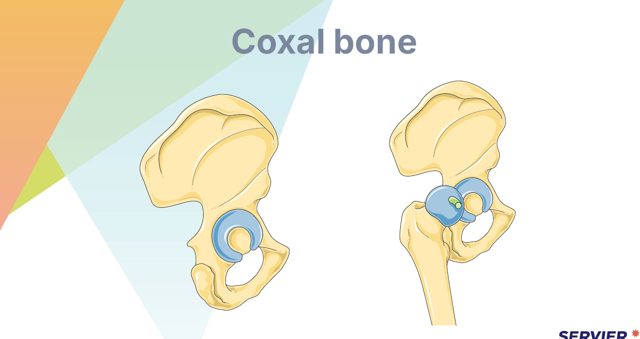
A hip fracture in an older adult typically follows a fall from standing height onto osteoporotic bone. The reliable classic presentation is a leg that is shortened and externally rotated, from the unopposed pull of iliopsoas on the lesser trochanter, with severe pain in the hip or groin and an inability to weight bear. Surgery is usually performed early, because prolonged bed rest before operation increases pneumonia, pressure injury, delirium and thromboembolism — the operation is part of the medical treatment, not merely the repair.
كسر الورك لدى بالغ مسنّ يتبع عادةً سقوطاً من وضعية الوقوف على عظم مخلخل. والتظاهر الكلاسيكي الموثوق ساق مقصَّرة ومدارة للخارج، من شدّ العضلة الحرقفية القطنية غير المعارَض على المدور الأصغر، مع ألم شديد في الورك أو الأربية وعجز عن تحميل الوزن. وتُجرى الجراحة مبكّراً عادةً، فالراحة الفراشية المطوّلة قبل العملية تزيد الالتهاب الرئوي وقرح الضغط والهذيان والانصمام الخثاري — فالعملية جزء من العلاج الطبي لا مجرّد إصلاح.
Nursing care around a hip fracture is as much about the whole patient as the bone: effective analgesia, because pain prevents movement and breathing; pressure area care from the moment of admission; delirium prevention and screening, since it is very common and worsens outcomes; hydration and nutrition; thromboprophylaxis; and early mobilisation after surgery, usually on the first day, which is the intervention that most affects recovery. Look for the cause of the fall too, since a patient who fell once will fall again.
والرعاية التمريضية حول كسر الورك تخصّ المريض كلّه بقدر ما تخصّ العظم: تسكين فعّال فالألم يمنع الحركة والتنفّس؛ وعناية بمناطق الضغط من لحظة القبول؛ ومنع الهذيان ومسحه فهو شائع جداً ويسوّئ المآل؛ وإماهة وتغذية؛ ووقاية من الخثار؛ وتحريك مبكّر بعد الجراحة في اليوم الأول عادةً، وهو التدخّل الأكثر تأثيراً على التعافي. ويُبحَث عن سبب السقوط أيضاً، فمن سقط مرّة سيسقط ثانيةً.
A dislocation is displacement of a joint surface and is an urgent problem, not merely a painful one, because the displaced bone can compress vessels and nerves and the joint cartilage suffers. Assess neurovascular status immediately and repeatedly, immobilise the joint as it lies, do not attempt to reduce it, give analgesia and escalate — reduction is time-sensitive.
والخلع انزياح سطح مفصلي وهو مشكلة عاجلة لا مجرّد مؤلمة، فالعظم المنزاح قد يضغط أوعية وأعصاباً ويتضرّر غضروف المفصل. تُقيَّم الحالة العصبية الوعائية فوراً ومراراً، ويُثبَّت المفصل كما هو، ولا يُحاوَل ردّه، ويُعطى مسكّن ويُصعَّد الأمر — فالردّ حسّاس للوقت.
6.11 · Major Trauma and Orthopaedic Surgery٦٫١١ · الرضّ الكبير وجراحة العظام
In polytrauma, the musculoskeletal injury is rarely what kills first, so assessment follows the primary survey: control catastrophic external haemorrhage, then Airway with cervical spine control, Breathing, Circulation, Disability and Exposure. A dramatic open limb fracture draws the eye, but it is assessed in its turn — the airway and the bleeding come first. Immobilise the spine until it can be cleared, and give tetanus prophylaxis and antibiotics for open wounds.
في الرضّ المتعدّد نادراً ما تكون الإصابة العضلية الهيكلية هي القاتل الأول، فالتقييم يتبع المسح الأولي: ضبط النزف الخارجي الكارثي ثم مجرى الهواء مع ضبط العمود الفقري العنقي والتنفّس والدوران والعجز والكشف. والكسر الطرفي المفتوح المروّع منظراً يجذب العين لكنه يُقيَّم في دوره — فمجرى الهواء والنزف أولاً. ويُثبَّت العمود الفقري حتى يمكن استبعاد إصابته، وتُعطى وقاية الكزاز ومضادات حيوية للجروح المفتوحة.
In a traumatic amputation, the amputated part may be replantable, and how it is handled decides whether that is possible. Wrap it in sterile gauze moistened with normal saline, seal it in a clean plastic bag, and place that bag on ice or in iced water. The part is never placed directly on ice or in water, and it is not frozen — direct contact causes cold injury that makes replantation impossible. Label it and send it with the patient.
وفي البتر الرضّي قد يكون الجزء المبتور قابلاً لإعادة الزرع، وطريقة التعامل معه تحدّد ما إذا كان ذلك ممكناً. يُلَفّ الجزء بشاش معقّم مبلّل بمحلول ملحي طبيعي، ويُغلَق في كيس بلاستيكي نظيف، ويُوضَع ذلك الكيس على ثلج أو في ماء مثلّج. ولا يُوضَع الجزء مباشرةً على الثلج ولا في الماء أبداً، ولا يُجمَّد — فالتماسّ المباشر يسبّب أذيّة برد تجعل إعادة الزرع مستحيلة. ويُوسَم ويُرسَل مع المريض.
Orthopaedic surgery has particular risks. Blood loss is substantial in hip and knee replacement, spinal surgery and femoral fracture fixation: monitor the haemoglobin, drain volumes and observations, and expect measures such as tranexamic acid. Surgical site infection matters enormously where a prosthesis is present, because a prosthetic joint infection is difficult to eradicate and often needs removal and revision of the implant — so antibiotic prophylaxis, aseptic technique and wound surveillance are not routine formalities. Report increasing pain, wound discharge, warmth, redness, fever or a wound that separates.
ولجراحة العظام مخاطر خاصّة. ففقد الدم كبير في استبدال الورك والركبة وجراحة العمود وتثبيت كسر الفخذ: يُراقَب الخضاب وحجوم المنازح والعلامات الحيوية، وتُتوقَّع تدابير كحمض الترانيكساميك. وعدوى الموقع الجراحي تهمّ بشدّة حيث توجد زرعة، فعدوى المفصل الصناعي يصعب استئصالها وتحتاج غالباً إزالة الزرعة ومراجعتها — فالوقاية بالمضادات الحيوية والتقنية المعقّمة ومراقبة الجرح ليست شكليات روتينية. ويُبلَّغ عن ازدياد الألم أو نضح الجرح أو دفء أو احمرار أو حمّى أو جرح ينفصل.
After spinal surgery, the spine is kept in alignment: turn the patient by log rolling with enough staff to move the shoulders, hips and legs as one unit, without twisting. Assess and document neurological function in the limbs at intervals, since a change may indicate compression, and watch for clear drainage suggesting a cerebrospinal fluid leak, urinary retention and wound haematoma. Two operations worth knowing by name: arthrodesis fuses a joint to relieve pain at the cost of movement, and osteotomy cuts and realigns bone to redistribute load.
وبعد جراحة العمود يُبقى العمود في محاذاة: يُقلَّب المريض بالدحرجة الجذعية بعدد كافٍ من الطاقم لتحريك الكتفين والوركين والساقين كوحدة واحدة دون التواء. وتُقيَّم الوظيفة العصبية وتُوثَّق في الأطراف على فترات، فالتغيّر قد يدلّ على انضغاط، ويُراقَب نزّ صافٍ يوحي بتسرّب سائل دماغي شوكي، كما يُراقَب احتباس البول والورم الدموي في الجرح. وعمليتان تستحقّان المعرفة بالاسم: الإيثاق يُلحم مفصلاً لتخفيف الألم على حساب الحركة، وقطع العظم يقطع العظم ويعيد محاذاته لإعادة توزيع الحمل.
6.12 · Surgical Safety and the Frail Patient٦٫١٢ · سلامة الجراحة والمريض الواهن
Orthopaedic surgery carries a particular risk of WRONG-SITE SURGERY, because most of these operations involve a LEFT or RIGHT limb, and often a specific digit or level.
جراحة العظام تحمل خطراً خاصّاً هو جراحة الموضع الخاطئ، فمعظم هذه العمليات تشمل طرفاً أيسر أو أيمن، وغالباً إصبعاً أو مستوى محدّداً.
FRAILTY — a state of reduced physiological reserve — predicts outcome after fracture and orthopaedic surgery MORE STRONGLY than age alone.
والوهن — حالة من انخفاض الاحتياطي الفيزيولوجي — يتنبّأ بالنتائج بعد الكسر وجراحة العظام بقوّة أكبر من العمر وحده.
6.13 · Total Hip Replacement٦٫١٣ · استبدال الورك الكامل
The precautions after a total hip replacement all exist to prevent one thing: dislocation of the prosthesis. The three rules are no flexion of the hip beyond 90 degrees, no adduction past the midline — do not cross the legs or ankles, and no internal rotation — do not turn the toes inward.
الاحتياطات بعد استبدال الورك الكامل كلّها موجودة لمنع أمر واحد: خلع المفصل الصناعي. والقواعد الثلاث عدم ثني الورك فوق ٩٠ درجة، وعدم التقريب عبر خطّ المنتصف — لا تشبيك للساقين ولا للكاحلين، وعدم الدوران الداخلي — لا توجيه لأصابع القدم للداخل.
Recognise a DISLOCATED PROSTHESIS, because it is an EMERGENCY.
ويجب تمييز المفصل الصناعي المخلوع فهو حالة إسعافية.
6.14 · Weight Bearing, Joint Replacement and Falls٦٫١٤ · تحميل الوزن واستبدال المفصل والسقوط
WEIGHT-BEARING STATUS is prescribed PRECISELY and must be understood precisely, because getting it wrong causes fixation failure and re-operation.
حالة تحمّل الوزن تُوصَف بدقّة ويجب فهمها بدقّة، فالخطأ فيها يسبّب إخفاق التثبيت وإعادة الجراحة.
After a hip replacement, particularly through a POSTERIOR approach, the joint is UNSTABLE in certain positions and dislocation precautions apply.
وبعد استبدال الورك وخاصّةً بمدخل خلفي يكون المفصل غير مستقرّ في وضعيات معيّنة وتنطبق احتياطات الخلع.
The reason the three are taught together: each alone is usually tolerated; the combination is what dislocates it — and the everyday movement that produces all three at once is bending forward while seated to reach the feet. Which is why the sock aid and the long-handled reacher are not conveniences.
وسبب تعليم الثلاثة معاً: أن كلّاً منها وحده يُحتمَل عادةً والتركيبة هي ما تخلعه — والحركة اليومية التي تُنتج الثلاثة معاً الانحناء للأمام جالساً للوصول للقدمين. ولهذا فإن أداة لبس الجوارب وأداة الالتقاط الطويلة المقبض ليستا مجرّد وسائل راحة.
FALLS are the commonest cause of fracture in older people, so PREVENTING THE NEXT ONE is part of treating this one.
والسقوط أشيع سبب للكسر في كبار السنّ فمنع السقوط التالي جزء من علاج هذا الكسر.
6.15 · Amputation٦٫١٥ · البتر
Immediately after a lower limb amputation, a tourniquet is kept at the bedside so that catastrophic haemorrhage from the stump can be controlled without delay. Monitor the dressing and beneath the limb for bleeding, since blood tracks backwards, and record the observations frequently in the first hours.
بعد بتر طرف سفلي مباشرةً تُبقى عاصبة عند السرير ليمكن ضبط نزف كارثي من الجزء المتبقي دون تأخير. ويُراقَب الضماد وما تحت الطرف بحثاً عن نزف فالدم يتسرّب للخلف، وتُسجَّل العلامات الحيوية بشكل متكرّر في الساعات الأولى.
Preventing CONTRACTURES is the point most often examined and most easily got wrong, because COMFORT and CORRECT POSITIONING CONFLICT.
ومنع التقفّعات النقطة الأكثر اختباراً والأسهل وقوعاً في الخطأ فالراحة والوضعية الصحيحة تتعارضان.
Stump care: the limb is bandaged in a figure-of-eight with firm distal pressure decreasing proximally, to shape the stump into a cone that will fit a prosthesis and to reduce oedema. Inspect the skin daily, wash and dry it thoroughly, and avoid creams or lotions that soften it. Report redness, breakdown, discharge or a wound that is not healing.
والعناية بالجزء المتبقي: يُضمَّد الطرف بشكل رقم ثمانية بضغط محكم عند الطرف القاصي يقلّ تدريجياً باتجاه الجذع، لتشكيل الجزء المتبقي مخروطاً يناسب الطرف الصناعي ولتقليل الوذمة. ويُفحَص الجلد يومياً ويُغسَل ويُجفَّف جيّداً، وتُتجنَّب الكريمات أو اللوشنات التي تليّنه. ويُبلَّغ عن احمرار أو تلف أو نضح أو جرح لا يلتئم.
- Feeling that the limb is still present
- NORMAL and almost UNIVERSAL
- Position, movement, itching, temperature
- Warn him about it BEFORE it happens
- Because otherwise he thinks he is losing his mind and does not say so
- REAL pain perceived in the absent limb
- Not imagined, and not psychological
- Neuropathic in character — burning, shooting, crushing
- Responds to NEUROPATHIC agents, not to ordinary analgesia alone
- Plus mirror therapy, desensitisation and early prosthetic use
The single most important response: believe him and say it is real. A patient who is told the pain cannot exist because the limb no longer exists stops reporting it — and then goes untreated for something that has effective treatment.
وأهمّ استجابة منفردة: تصديق المريض والتأكيد له أن الألم حقيقي. فالمريض الذي يُقال له إن الألم لا يمكن أن يوجد لأن الطرف غير موجود يتوقّف عن الإبلاغ عنه — ثم يبقى دون علاج لحالة لها علاج فعّال.
6.16 · Osteoarthritis and Rheumatoid Arthritis٦٫١٦ · الفصال العظمي والتهاب المفاصل الروماتويدي
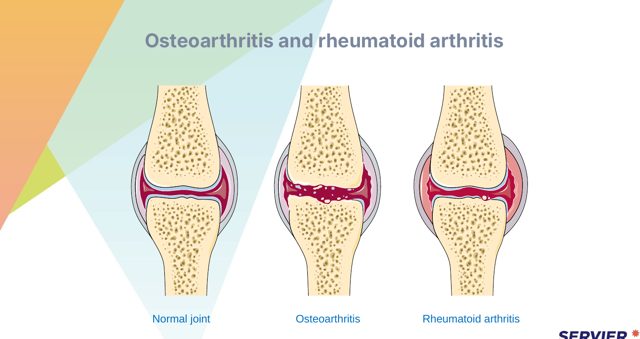
Osteoarthritis is degenerative wear of the joint cartilage. It is asymmetrical, affects large weight-bearing joints — hips, knees, spine — and the distal finger joints, gives pain that is worse with activity and better with rest, and produces brief morning stiffness lasting under about thirty minutes. There are no systemic features. Risk factors are age, obesity, previous joint injury and repetitive loading.
الفصال العظمي تآكل تنكّسي لغضروف المفصل. وهو غير متناظر ويصيب المفاصل الكبيرة الحاملة للوزن — الوركين والركبتين والعمود — ومفاصل الأصابع البعيدة، ويعطي ألماً يزداد بالنشاط ويخفّ بالراحة، ويُنتج تيبّساً صباحياً قصيراً دون نحو ثلاثين دقيقة. ولا سمات جهازية. وعوامل الخطر العمر والسمنة وإصابة مفصلية سابقة والتحميل المتكرّر.
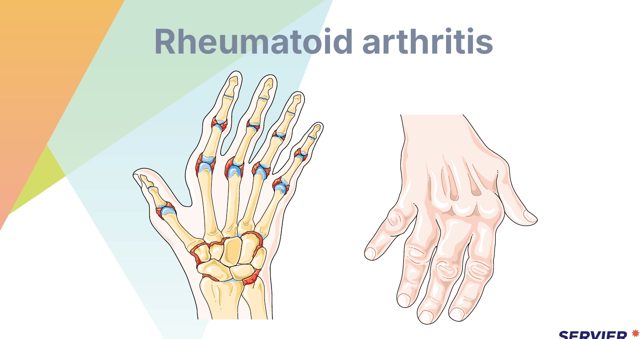
Rheumatoid arthritis is a systemic autoimmune disease. It is symmetrical, affects the small joints of the hands and feet first, gives pain and stiffness that are worse in the morning and after rest and improve with movement, with morning stiffness lasting more than an hour, and it comes with systemic features — fatigue, low-grade fever, weight loss, anaemia — and extra-articular involvement of the eyes, lungs, heart and skin. Deformities such as ulnar deviation develop over time.
والتهاب المفاصل الروماتويدي مرض مناعي ذاتي جهازي. وهو متناظر ويصيب المفاصل الصغيرة في اليدين والقدمين أولاً، ويعطي ألماً وتيبّساً أسوأ صباحاً وبعد الراحة ويتحسّنان بالحركة، مع تيبّس صباحي يدوم أكثر من ساعة، ويأتي مع سمات جهازية — تعب وحمّى خفيفة ونقص وزن وفقر دم — وإصابة خارج مفصلية للعينين والرئتين والقلب والجلد. وتتطوّر تشوّهات كالانحراف الزندي مع الوقت.
- Pain WORSE with activity, better with rest
- Morning stiffness under 30 minutes
- Asymmetrical, weight-bearing joints — knees, hips, spine
- ENCOURAGE weight reduction — the single most effective intervention for knee arthritis
- And ENCOURAGE exercise — strengthening the muscles around the joint reduces pain
- Pain BETTER with movement, worse after rest
- Morning stiffness over an HOUR
- SYMMETRICAL, small joints of hands and feet
- Systemic — fatigue, fever, weight loss
- EARLY referral prevents joint destruction — which is why a suspected case is urgent, not managed with analgesia
The reversal is the examined point: osteoarthritis is worse with use; rheumatoid is worse with rest. And the difference dictates the advice: in osteoarthritis, activity and weight loss ARE the treatment; in rheumatoid, the treatment is disease-modifying drugs started early, with joint protection and pacing during a flare — and rest during a flare, activity between them.
والانعكاس هو النقطة المُختبَرة: أن الفصال يسوء بالاستخدام والروماتويدي يسوء بالراحة. والفرق يملي النصيحة: ففي الفصال العظمي يكون النشاط وإنقاص الوزن هما العلاج؛ وفي الروماتويدي يكون العلاج بأدوية معدِّلة للمرض تُبدأ مبكّراً، مع حماية المفاصل وتنظيم الجهد أثناء النوبة — الراحة أثناء النوبة والنشاط بين النوبات.
Methotrexate teaching is specific and errors are dangerous. It is taken once a week, not daily — daily dosing has caused fatal toxicity — with folic acid on a different day to reduce side effects. Monitoring of the full blood count, liver and renal function is required. Alcohol is avoided, it is contraindicated in pregnancy and effective contraception is needed by both men and women, and because it suppresses immunity the patient reports sore throat, fever, mouth ulcers or unusual bruising promptly and needs vaccination review before starting.
وتعليم الميثوتريكسات محدّد وأخطاؤه خطرة. فهو يُؤخذ مرّة أسبوعياً لا يومياً — فالجرعات اليومية سبّبت سمّية مميتة — مع حمض الفوليك في يوم مختلف لتقليل الآثار الجانبية. وتلزم مراقبة تعداد الدم الكامل ووظيفة الكبد والكلى. ويُتجنّب الكحول، والميثوتريكسات ممنوع في الحمل ويحتاج الرجال والنساء وسيلة منع حمل فعّالة، ولأنه يكبت المناعة يُبلّغ المريض فوراً عن التهاب حلق أو حمّى أو قرح فموية أو كدمات غير معتادة ويحتاج مراجعة تطعيمات قبل البدء.
6.17 · Gout, Septic Arthritis and Spondyloarthritis٦٫١٧ · النقرس والتهاب المفصل الإنتاني والتهاب المفاصل الفقاري
Gout is deposition of uric acid crystals in a joint. The acute attack is dramatic: sudden onset, often at night, in a single joint — classically the base of the great toe — which becomes exquisitely painful, red, hot and swollen, so tender that the weight of a bedsheet is unbearable. It is precipitated by alcohol, purine-rich food, dehydration, diuretics and illness.
النقرس ترسّب بلورات حمض البول في مفصل. والنوبة الحادّة درامية: بدء مفاجئ ليلاً غالباً في مفصل واحد — وكلاسيكياً قاعدة إبهام القدم — فيصير مؤلماً بشدّة أحمر ساخناً متورّماً، شديد الإيلام لدرجة أن ثقل الملاءة لا يُحتمَل. ويُحدثه الكحول والطعام الغني بالبورينات والجفاف والمدرّات والمرض.
The treatment principle that is examined: the acute attack and long-term prevention use different drugs. The attack is treated with an NSAID, colchicine or a corticosteroid. Allopurinol lowers uric acid for prevention and is traditionally not started during an acute attack, because changing the urate level acutely can worsen or prolong it — though the 2020 ACR guideline conditionally supports starting it during a flare under anti-inflammatory cover, and if the patient is already established on it, it is continued. Prevention also includes good hydration, weight reduction and limiting purine-rich foods such as red meat, organ meat and shellfish.
ومبدأ العلاج الذي يُختبَر: النوبة الحادّة والوقاية طويلة الأمد تستخدمان أدوية مختلفة. فالنوبة تُعالَج بمضادّ التهاب غير ستيرويدي أو كولشيسين أو ستيرويد قشري. والألوبيورينول يخفض حمض البول للوقاية ولا يُبدأ تقليدياً أثناء نوبة حادّة، فتغيير مستوى البولات بصورة حادّة قد يزيدها سوءاً أو يطيلها — ومع ذلك توصي إرشادات الكلية الأمريكية لأمراض الروماتيزم (ACR) لعام ٢٠٢٠ توصيةً مشروطة ببدئه أثناء النوبة تحت غطاء مضادّ للالتهاب، وإن كان المريض عليه أصلاً فيُواصَل. والوقاية تشمل أيضاً إماهة جيّدة وخفض وزن وتحديد الأطعمة الغنية بالبورينات كاللحوم الحمراء ولحوم الأعضاء والمحار.
Septic arthritis is the joint emergency and it must be separated from gout, because both give a single hot swollen painful joint. Septic arthritis adds fever and systemic illness, the patient is usually more unwell, and the joint is held completely still because any movement is agonising. It destroys cartilage within days, so it needs urgent joint aspiration — before antibiotics where possible — followed by antibiotics and often surgical washout. Where the two cannot be distinguished, it is treated as septic.
والتهاب المفصل الإنتاني هو طارئ المفصل ويجب تمييزه عن النقرس، فكلاهما يعطي مفصلاً واحداً ساخناً متورّماً مؤلماً. والإنتاني يضيف حمّى ومرضاً جهازياً، والمريض أكثر توعّكاً عادةً، ويُبقى المفصل ساكناً تماماً فأيّ حركة عذاب. وهو يُتلف الغضروف خلال أيام، فيحتاج بزل مفصل عاجلاً — قبل المضادات الحيوية حيث أمكن — تتبعه مضادات حيوية وغسل جراحي غالباً. وحيث يتعذّر التمييز يُعالَج كإنتاني.
Ankylosing spondylitis is an INFLAMMATORY arthritis of the SPINE and SACROILIAC joints, typically beginning in young adult men.
والتهاب الفقار المقسّط التهاب مفاصل التهابي للعمود والمفاصل العجزية الحرقفية يبدأ في الشباب الذكور عادةً.
- WORSE with rest, BETTER with movement
- Morning stiffness over an HOUR
- Wakes him in the SECOND HALF of the night
- Onset under 40, gradual, over months
- Improves with exercise and NSAIDs
- BETTER with rest, worse with movement
- Stiffness brief — minutes
- Does not wake him at night
- Any age, often sudden
- The reversal is the examined point
The nursing message is short and it determines the outcome: EXERCISE and POSTURE are the mainstay of self-management; the first-choice drug is an NSAID, and a biologic (a TNF or IL-17 inhibitor) is added only if NSAIDs fail (ASAS-EULAR 2022). Regular exercise, particularly extension and swimming; sleep on a firm mattress with one thin pillow; maintain upright posture — because the deformity that develops is a fixed forward stoop, and it is largely preventable. And a patient with a fused spine who falls is at high risk of an unstable fracture — which is not obvious and is easily missed.
والرسالة التمريضية قصيرة وتحدّد النتيجة: التمارين والوضعية ركيزة التدبير الذاتي؛ والدواء المختار أولاً مضادّ التهاب غير ستيرويدي، ولا يُضاف دواء بيولوجي (مثبّط TNF أو IL-17) إلا إذا فشلت مضادّات الالتهاب غير الستيرويدية (ASAS-EULAR 2022). تمارين منتظمة، وخاصّةً تمارين البسط والسباحة؛ والنوم على فراش صلب بوسادة رقيقة واحدة؛ والمحافظة على وضعية منتصبة — لأن التشوّه الذي يتطوّر انحناء أمامي ثابت وهو قابل للمنع إلى حدّ بعيد. والمريض ذو العمود الملتحم الذي يسقط معرّض بشدّة لكسر غير مستقرّ — وهو غير ظاهر وقد يُغفَل بسهولة.
6.18 · Other Rheumatological Conditions٦٫١٨ · أمراض روماتيزمية أخرى
POLYMYALGIA RHEUMATICA occurs in people OVER FIFTY and gives bilateral pain and stiffness of the SHOULDER and HIP girdles, with marked morning stiffness, and it responds dramatically to a low dose of steroid — which is almost diagnostic in itself.
ألم العضلات الروماتيزمي يقع في من هم فوق الخمسين ويعطي ألماً وتيبّساً ثنائيين في حزامي الكتف والورك مع تيبّس صباحي واضح ويستجيب استجابة لافتة لجرعة ستيرويد منخفضة — وهذا بحدّ ذاته شبه تشخيصي.
Fibromyalgia is widespread pain lasting months with fatigue, unrefreshing sleep and cognitive difficulty, and multiple tender points. Crucially there is no inflammation and the blood tests are normal — which is why patients are often disbelieved, and why the first therapeutic act is to say clearly that the pain is real. Management is graded exercise, sleep improvement, education and psychological therapies, with limited drug benefit; opioids are avoided, since they do not help and cause harm.
والألم العضلي الليفي ألم منتشر يدوم أشهراً مع تعب ونوم غير مريح وصعوبة إدراكية ونقاط إيلام متعدّدة. والمهمّ أنه لا التهاب فيه وتحاليل الدم طبيعية — ولهذا لا يُصدَّق المرضى غالباً، ولهذا يكون أول فعل علاجي القول بوضوح إن الألم حقيقي. والتدبير تمرين متدرّج وتحسين النوم وتعليم وعلاجات نفسية بفائدة دوائية محدودة؛ وتُتجنّب الأفيونيات فهي لا تنفع وتضرّ.
Systemic lupus erythematosus is a multisystem autoimmune disease affecting mainly young women. Joint involvement is common — painful and often symmetrical but characteristically non-erosive, unlike rheumatoid — alongside a malar rash, photosensitivity, mouth ulcers, renal disease, serositis and haematological changes. Teach sun protection, since ultraviolet exposure triggers flares. Psoriatic arthritis accompanies psoriasis and is recognised by nail changes — pitting and separation — and dactylitis, the swelling of a whole finger or toe into a sausage shape.
والذئبة الحمامية الجهازية مرض مناعي ذاتي متعدّد الأجهزة يصيب الشابّات أساساً. والإصابة المفصلية شائعة — مؤلمة ومتناظرة غالباً لكنها غير تآكلية بصورة مميِّزة خلافاً للروماتويدي — إلى جانب طفح فراشي وحساسية ضوئية وقرح فموية ومرض كلوي والتهاب أغشية مصلية وتغيّرات دموية. ويُعلَّم المريض الوقاية من الشمس، فالتعرّض للأشعّة فوق البنفسجية يُطلق الهجمات. والتهاب المفاصل الصدفي يرافق الصدفية ويُميَّز بتغيّرات الأظافر — تنقّر وانفصال — والتهاب الإصبع أي تورّم إصبع كامل من اليد أو القدم بشكل سجق.
6.19 · Osteoporosis and Metabolic Bone Disease٦٫١٩ · تخلخل العظام وأمراض العظم الاستقلابية
OSTEOPOROSIS is loss of bone mass and deterioration of bone STRUCTURE, so the bone breaks under forces it should withstand. It is SILENT until the first fracture — which is the whole problem.
تخلخل العظام فقد كتلة العظم وتدهور بنيته فينكسر تحت قوى ينبغي أن يحتملها. وهو صامت حتى الكسر الأول — وهذه هي المشكلة كلّها.
That is the single most actionable point in this section: a Colles fracture in a woman of 65 is a warning that the hip is next, and it is the opportunity to prevent the fracture that actually disables her. Prevention: calcium and vitamin D — which matters particularly here, where deficiency is widespread — weight-bearing exercise, stopping smoking, reviewing the drugs that cause it, treating it where indicated, and falls prevention, because osteoporosis does not break a bone on its own; a fall does.
تلك أكثر نقطة قابلة للتنفيذ في هذا القسم: أن كسر كوليس في امرأة بالخامسة والستين تحذير بأن الورك تالياً، وهو الفرصة لمنع الكسر الذي يُعجِزها فعلاً. والوقاية: الكالسيوم وفيتامين د — وهو أمر يهمّ بوجه خاصّ هنا حيث النقص واسع الانتشار — وتمارين تحميل الوزن، والإقلاع عن التدخين، ومراجعة الأدوية المسبّبة له، وعلاجه حيث يُستطبّ، ومنع السقوط، لأن تخلخل العظام لا يكسر عظماً وحده؛ السقوط يفعل.
Prevention and treatment: adequate calcium and vitamin D, weight-bearing and resistance exercise, stopping smoking, limiting alcohol, and — as important as any drug — falls prevention, since it is the fall that breaks the bone. Assess the home for hazards, review medications that cause dizziness or postural hypotension, check vision, and address footwear and lighting, as Part 01 Chapter 05 sets out.
الوقاية والعلاج: كالسيوم وفيتامين د كافيان، وتمارين تحميل ومقاومة، وإقلاع عن التدخين، وتحديد الكحول، ومنع السقوط (وهو بأهمّية أيّ دواء)، فالسقطة هي ما يكسر العظم. يُقيَّم المنزل بحثاً عن مخاطر، وتُراجَع الأدوية المسبّبة للدوخة أو هبوط الضغط الانتصابي، ويُفحَص البصر، وتُعالَج الأحذية والإضاءة كما يبيّن الفصل الخامس من الجزء الأول.
Bisphosphonate teaching is examined because the administration is unusual and errors cause oesophageal ulceration. Take it first thing in the morning on an empty stomach, with a full glass of plain water only — not juice, coffee, milk or mineral water — and then remain upright, sitting or standing, for at least thirty minutes and take nothing else by mouth in that time. Report difficulty swallowing, heartburn or chest pain. Dental review before starting is advised because of the rare risk of osteonecrosis of the jaw.
تعليم البيسفوسفونات يُختبَر لأن طريقة الإعطاء غير معتادة والأخطاء تسبّب تقرّح المريء. يُؤخذ أول الصباح على معدة فارغة مع كأس ماء عادي كامل فقط — لا عصير ولا قهوة ولا حليب ولا ماء معدني — ثم يبقى منتصباً جالساً أو واقفاً ثلاثين دقيقة على الأقلّ ولا يتناول شيئاً آخر بالفم في تلك المدّة. ويُبلَّغ عن صعوبة بلع أو حرقة أو ألم صدر. ويُنصَح بمراجعة طبيب الأسنان قبل البدء بسبب الخطر النادر لنخر عظم الفكّ.
Osteomalacia is softening of bone from vitamin D deficiency in adults — the same deficiency causes rickets in children. It gives diffuse bone pain and tenderness, proximal muscle weakness with difficulty rising from a chair or climbing stairs, and a waddling gait, and it is treated by correcting the vitamin D. Paget disease is disordered, excessive bone remodelling producing enlarged, deformed and structurally weak bone with pain, deformity such as bowing of the legs, and a raised alkaline phosphatase.
تليّن العظام تليّن العظم من نقص فيتامين د لدى البالغين — والنقص نفسه يسبّب الكساح لدى الأطفال. ويعطي ألماً وإيلاماً عظمياً منتشراً وضعفاً عضلياً داني الطرف مع صعوبة النهوض من كرسي أو صعود الدرج ومشية بطّية، ويُعالَج بتصحيح فيتامين د. وداء باجيت إعادة تشكيل عظمي مفرط مضطرب يُنتج عظماً متضخّماً مشوّهاً ضعيف البنية مع ألم وتشوّه كتقوّس الساقين وارتفاع الفوسفاتاز القلوية.
6.20 · Bone Tumours, Denosumab and Inherited Disease٦٫٢٠ · أورام العظم والدينوسوماب والمرض الموروث
A primary bone tumour such as osteosarcoma occurs mainly in adolescents and young adults and presents with persistent bone pain that is worse at night and not related to activity, with local swelling and sometimes a pathological fracture. Night pain that wakes a young person and does not settle with rest is the feature that should prompt investigation rather than reassurance. Bone metastases are far commoner than primary tumours in adults, spreading from breast, prostate, lung, kidney and thyroid, and they cause pain, pathological fracture, spinal cord compression and hypercalcaemia.
ورم العظم الأولي كالساركوما العظمية يحدث أساساً لدى المراهقين والشباب ويتظاهر بألم عظمي مستمرّ أسوأ ليلاً وغير مرتبط بالنشاط، مع تورّم موضعي وكسر مرضي أحياناً. والألم الليلي الذي يوقظ شابّاً ولا يهدأ بالراحة هو السمة التي ينبغي أن تدفع للاستقصاء لا للطمأنة. والنقائل العظمية أشيع بكثير من الأورام الأولية لدى البالغين، وتنتشر من الثدي والبروستاتا والرئة والكلية والدرقية، وتسبّب ألماً وكسراً مرضياً وانضغاط نخاع شوكي وفرط كالسيوم.
Metastatic spinal cord compression is the emergency to recognise: new or worsening back pain, particularly at night or on lying flat, with limb weakness, sensory change or bladder and bowel dysfunction in a patient with known cancer. It requires immediate escalation, because function that is lost before treatment is usually not regained.
انضغاط النخاع الشوكي النقيلي هو الطارئ الواجب تمييزه: ألم ظهر جديد أو متفاقم خاصّةً ليلاً أو عند الاستلقاء المسطّح، مع ضعف طرفي أو تغيّر حسّي أو اختلال مثاني ومعوي لدى مريض بسرطان معروف. ويتطلّب تصعيداً فورياً، فالوظيفة المفقودة قبل العلاج لا تُستعاد عادةً.
Denosumab is an alternative to bisphosphonates for osteoporosis, given as a subcutaneous injection every six months. Two nursing points: check and correct calcium and vitamin D before giving it, since it can cause significant hypocalcaemia; and it must not simply be stopped, because discontinuing it without starting an alternative causes a rapid rebound loss of bone with a risk of multiple vertebral fractures. A missed or delayed dose therefore matters and is followed up rather than left.
الدينوسوماب بديل للبيسفوسفونات في تخلخل العظام، يُعطى حقناً تحت الجلد كلّ ستّة أشهر. ونقطتان تمريضيتان: يُفحَص الكالسيوم وفيتامين د ويُصحَّحان قبل إعطائه، فقد يسبّب نقص كالسيوم ملحوظاً؛ ولا يجوز إيقافه ببساطة، فإيقافه دون بدء بديل يسبّب فقداً ارتدادياً سريعاً للعظم بخطر كسور فقرية متعدّدة. فالجرعة المفوّتة أو المتأخّرة تهمّ ويُتابَع أمرها ولا تُترَك.
Inherited musculoskeletal disease deserves attention here because CONSANGUINEOUS MARRIAGE is more common in the region and raises the likelihood of AUTOSOMAL RECESSIVE conditions.
المرض العضلي الهيكلي الموروث يستحقّ الانتباه هنا لأن زواج الأقارب أشيع في المنطقة ويرفع احتمال الحالات الصبغية الجسمية المتنحّية.
6.21 · Soft Tissue Injury and Back Pain٦٫٢١ · إصابات النسج الرخوة وألم الظهر
A SPRAIN is injury to a LIGAMENT; a STRAIN is injury to a MUSCLE or TENDON. Both are managed acutely with RICE.
الالتواء إصابة رباط والشدّ إصابة عضلة أو وتر. وكلاهما يُدبَّر في الطور الحادّ بـRICE.
Most low back pain is mechanical and self-limiting, and the advice that helps is to stay active and continue normal activity as far as pain allows — prolonged bed rest makes it worse, which is the opposite of what patients expect. Simple analgesia, heat, and returning to work early are the mainstays. But screen for the red flags: fever, night pain, unexplained weight loss, a history of cancer, significant trauma, age at either extreme, or progressive neurological deficit.
معظم ألم الظهر السفلي ميكانيكي محدود ذاتياً، والنصيحة النافعة البقاء نشطاً ومواصلة النشاط الطبيعي بقدر ما يسمح الألم — فالراحة الفراشية المطوّلة تزيده سوءاً، وهو عكس ما يتوقّعه المرضى. والمسكّن البسيط والحرارة والعودة المبكّرة للعمل هي ركائز العلاج. لكن يجب تحرّي علامات الإنذار: حمّى وألم ليلي ونقص وزن غير مفسَّر وقصّة سرطان ورضّ ملحوظ وعمر في أحد طرفي الطيف العمري أو عجز عصبي تقدّمي.
The red flag that is a true emergency is cauda equina syndrome: saddle anaesthesia — numbness in the area that would touch a saddle — new bladder or bowel dysfunction, particularly urinary retention or incontinence, bilateral leg weakness or numbness, and severe back pain. It requires immediate escalation and urgent imaging and surgery, because delay causes permanent incontinence and paralysis. Ask directly about bladder and bowel function in any patient with severe back pain — the patient will not volunteer it.
علامة الإنذار التي هي طارئ حقيقي متلازمة ذيل الفرس: تخدّر السرج — خدر في المنطقة التي تلامس السرج — واختلال مثاني أو معوي جديد وخاصّةً احتباس بولي أو سلس، وضعف أو خدر في الساقين معاً، وألم ظهر شديد. وتتطلّب تصعيداً فورياً وتصويراً وجراحة عاجلين، فالتأخير يسبّب سلساً وشللاً دائمين. ويُسأل مباشرةً عن وظيفة المثانة والأمعاء لدى أيّ مريض بألم ظهر شديد — فالمريض لن يذكرها تلقائياً.
SCIATICA from a herniated disc gives pain radiating from the back DOWN THE LEG BELOW THE KNEE in a nerve root distribution, often with numbness, tingling or weakness, and worse on coughing, sneezing or straining. Most cases settle with time, analgesia and staying active — bed rest makes it worse.
عرق النسا من فتق قرصي يعطي ألماً ينتشر من الظهر لأسفل الساق تحت الركبة بتوزيع جذر عصبي غالباً مع خدر أو تنميل أو ضعف، ويسوء بالسعال أو العطاس أو الشدّ. ومعظم الحالات تهدأ بالوقت والتسكين والبقاء نشطاً — والراحة في الفراش تسوّئها.
6.22 · Regional Soft Tissue Problems٦٫٢٢ · مشكلات النسج الرخوة الموضعية
Tendinitis is inflammation of a tendon and bursitis of the fluid-filled bursa that cushions a joint; both follow overuse or repetitive loading and give localised pain and tenderness worse on the movement that provokes them. Management is relative rest from the aggravating activity rather than complete immobility, ice, anti-inflammatories, correcting the technique or ergonomics that caused it, and a graded return. A corticosteroid injection may be used, though repeated injections weaken tendon.
التهاب الوتر التهاب في وتر والتهاب الجراب في الجراب الممتلئ بالسائل الذي يوسّد المفصل؛ وكلاهما يتبع الإفراط في الاستخدام أو التحميل المتكرّر ويعطي ألماً وإيلاماً موضعياً أسوأ عند الحركة المُثيرة. والتدبير راحة نسبية من النشاط المُفاقم لا جمود تامّ، وثلج ومضادّات التهاب وتصحيح الأسلوب أو بيئة العمل التي سبّبته وعودة متدرّجة. وقد يُستخدَم حقن ستيرويد قشري وإن كان الحقن المتكرّر يُضعف الوتر.
Adhesive capsulitis — frozen shoulder — is distinguished from a rotator cuff problem by one finding: the loss of movement affects both active and passive range, so the shoulder will not move even when someone else moves it. It runs through a painful phase, a stiff phase and a gradual thawing phase over many months, and it is strongly associated with diabetes, which is worth asking about. Treatment is analgesia, physiotherapy to maintain range, and sometimes injection.
التهاب المحفظة اللاصق — الكتف المتجمّد — يُميَّز عن مشكلة الكفّة المدوّرة بموجودة واحدة: فقد الحركة يصيب المدى الفاعل والمنفعل معاً، فلا يتحرّك الكتف حتى حين يحرّكه شخص آخر. ويمرّ بطور مؤلم وطور متيبّس وطور ذوبان تدريجي عبر أشهر كثيرة، وهو مرتبط بقوّة بالسكّري ويستحقّ السؤال عنه. والعلاج مسكّن وعلاج طبيعي للحفاظ على المدى وحقن أحياناً.
Plantar fasciitis gives heel pain that is worst on the first steps in the morning or after sitting, easing as walking continues — that pattern is the diagnosis. It is managed with calf and plantar fascia stretching, supportive well-cushioned footwear, avoiding walking barefoot on hard floors, weight reduction and activity modification. Dupuytren contracture is painless thickening of the palmar fascia that gradually pulls the ring and little fingers into fixed flexion; it is slowly progressive and treated surgically when hand function is affected.
التهاب اللفافة الأخمصية يعطي ألم كعب أسوأ ما يكون في الخطوات الأولى صباحاً أو بعد الجلوس، ويخفّ مع مواصلة المشي — وذلك النمط هو التشخيص. ويُدبَّر بتمديد ربلة الساق واللفافة الأخمصية وحذاء داعم جيّد التوسيد وتجنّب المشي حافياً على أرضيات صلبة وخفض الوزن وتعديل النشاط. وتقفّع دوبويتران تثخّن غير مؤلم في اللفافة الراحية يسحب البنصر والخنصر تدريجياً لثني ثابت؛ وهو بطيء التقدّم ويُعالَج جراحياً حين تتأثّر وظيفة اليد.
6.23 · Mobility Aids and Safe Movement٦٫٢٣ · معينات الحركة والحركة الآمنة
A cane is held in the hand opposite the affected leg — that is, on the strong or unaffected side — and is advanced together with the affected leg, so the cane and the weak leg share the load and the base of support widens. Holding it on the same side as the injury does the opposite and is the classic error. Set the height so the handle is level with the wrist crease when the arm hangs, giving about 15 to 30 degrees of elbow flexion.
العصا تُمسَك باليد المقابلة للساق المصابة — أي في الجانب القوي السليم — وتتقدّم مع الساق المصابة، فتتقاسم العصا والساق الضعيفة الحمل وتتّسع قاعدة الإسناد. وإمساكها في الجانب نفسه للإصابة يفعل العكس وهو الخطأ الكلاسيكي. ويُضبَط الارتفاع بحيث يكون المقبض بمستوى ثنية الرسغ والذراع متدلّية، فيعطي نحو ١٥ إلى ٣٠ درجة من ثني المرفق.
With crutches, the weight must be taken on the hands and not under the arms. Leaning on the axillary pads compresses the nerves there and causes crutch palsy — weakness and numbness of the arm. Fit them so there are about two to three finger widths between the pad and the armpit. A walking frame is lifted and placed with all four legs on the ground before the patient steps into it, and it is not used on stairs.
مع العكّازين يجب أن يُحمَل الوزن على اليدين لا تحت الإبطين. فالاتّكاء على الوسادتين الإبطيتين يضغط الأعصاب هناك ويسبّب شلل العكّاز — ضعفاً وخدراً في الذراع. ويُضبَطان بحيث يكون بين الوسادة والإبط عرض إصبعين إلى ثلاثة. والمشّاية تُرفَع وتُوضَع بأرجلها الأربع على الأرض قبل أن يخطو المريض داخلها، ولا تُستخدَم على الدرج.
Stairs have their own rule and it is worth memorising as a phrase: up with the good, down with the bad. Going up, the strong leg leads and the affected leg and the aid follow. Going down, the aid and the affected leg go first and the strong leg follows. The reason is that the strong leg does the lifting going up and the controlled lowering coming down. Teach the patient to use the handrail.
الدرج له قاعدته وتستحقّ الحفظ كعبارة: صعوداً بالسليمة ونزولاً بالمصابة. فعند الصعود تقود الساق القوية وتتبعها الساق المصابة والمعين. وعند النزول يذهب المعين والساق المصابة أولاً وتتبعهما الساق القوية. والسبب أن الساق القوية تؤدّي الرفع صعوداً والإنزال المضبوط نزولاً. ويُعلَّم المريض استخدام الدرابزين.
For transfers, position the chair or wheelchair on the patient's strong side, lock the brakes, ensure footwear with a non-slip sole, bring him to the edge of the bed and let him sit for a moment before standing to allow for postural hypotension, and move on a count so you both act together. Use the equipment and the number of staff the manual handling assessment specifies rather than improvising, as Part 01 Chapter 07 sets out.
في عمليات النقل يُوضَع الكرسي أو الكرسي المتحرّك في الجانب القوي للمريض، وتُقفَل المكابح، ويُتأكَّد من ارتداء حذاء بنعل غير زلق، ويُقرَّب المريض من حافّة السرير ويُترك يجلس لحظةً قبل الوقوف تحسّباً لهبوط الضغط الانتصابي، ويُتحرَّك على عدّ ليتصرّف الطرفان معاً. وتُستخدَم المعدّات وعدد الطاقم الذي يحدّده تقييم المناولة اليدوية لا الارتجال كما يبيّن الفصل السابع من الجزء الأول.
6.24 · The Costs of Immobility٦٫٢٤ · أضرار عدم الحركة
Immobility damages every system, which is why early mobilisation appears as the answer so often. Skin: pressure injury, which begins within hours over bony prominences. Respiratory: shallow breathing, retained secretions, atelectasis and pneumonia. Circulatory: venous stasis, deep vein thrombosis and pulmonary embolism, and orthostatic hypotension when the patient finally stands.
عدم الحركة يُتلف كلّ جهاز، ولهذا يظهر التحريك المبكّر جواباً في أحيان كثيرة. فالجلد: قرح ضغط تبدأ خلال ساعات فوق النتوءات العظمية. والتنفّس: تنفّس سطحي واحتباس إفرازات وانخماص والتهاب رئوي. والدوران: ركود وريدي وخثار وريدي عميق وانصمام رئوي وهبوط ضغط انتصابي حين ينهض المريض أخيراً.
Musculoskeletal: muscle atrophy that begins within days, contractures from joints held in one position, and disuse osteoporosis — bone loses mineral when it is not loaded, and the released calcium can produce hypercalcaemia with nausea, constipation, confusion and renal stones. Gastrointestinal and urinary: constipation, and urinary stasis with infection and stone formation. And psychological: boredom, low mood, disorientation and loss of confidence, which then makes the patient less willing to move.
والعضلي الهيكلي: ضمور عضلي يبدأ خلال أيام، وتقفّعات من إبقاء المفاصل في وضعية واحدة، وتخلخل العظام الناجم عن قلة الاستعمال — فالعظم يفقد المعادن حين لا يُحمَّل، والكالسيوم المتحرّر قد يُنتج فرط كالسيوم مع غثيان وإمساك وتشوّش وحصيات كلوية. والهضمي والبولي: إمساك وركود بولي مع عدوى وتشكّل حصيات. والنفسي: ملل وانخفاض مزاج وتوهان وفقد ثقة، ما يجعل المريض بعدها أقلّ استعداداً للحركة.
The nursing response runs across all of them at once: reposition regularly and inspect the skin; deep breathing and incentive spirometry; thromboprophylaxis, mechanical and pharmacological; range of motion exercises, active where possible and passive where not, to prevent contractures; correct positioning with the joints in a functional alignment, using splints or footboards to prevent foot drop; adequate fluid and fibre; and getting the patient up as early and as often as is safe, which does more than all the rest combined.
الاستجابة التمريضية تجري عبرها كلّها في آن: تغيير الوضعية بانتظام وفحص الجلد؛ وتنفّس عميق ومقياس تنفّس تحفيزي؛ ووقاية من الخثار ميكانيكية ودوائية؛ وتمارين مدى حركة فاعلة حيث أمكن ومنفعلة حيث لا، لمنع التقفّعات؛ ووضعية صحيحة والمفاصل في محاذاة وظيفية باستخدام جبائر أو ألواح قدم لمنع هبوط القدم؛ وسوائل وألياف كافية؛ وإنهاض المريض بأبكر وأكثر ما هو آمن، وذلك يفعل أكثر من كلّ ما سبق مجتمعاً.
6.25 · Musculoskeletal Drugs٦٫٢٥ · الأدوية العضلية الهيكلية
Opioids have a role in acute severe pain such as fracture, but they cause constipation, which is prescribed for rather than treated after the fact, and sedation, which impairs the mobilisation the patient needs. Muscle relaxants cause drowsiness, so warn about driving and combine cautiously with other sedating drugs.
الأفيونيات لها دور في الألم الحادّ الشديد كالكسر، لكنها تسبّب إمساكاً يُوصَف له مسبقاً لا يُعالَج بعد وقوعه، وتهدئةً تعيق التحريك الذي يحتاجه المريض. ومرخيات العضل تسبّب نعاساً، فيُحذَّر المريض بشأن القيادة وتُجمَع بحذر مع أدوية مهدّئة أخرى.
The disease-specific drugs each carry a single teaching point that matters most. Bisphosphonates: morning, empty stomach, plain water, upright for thirty minutes. Methotrexate: once weekly with folic acid, and report infection. Allopurinol: for prevention, usually deferred until an acute gout attack settles (continued if already taken). Colchicine: for the acute attack, and diarrhoea is the dose-limiting effect. Calcium and vitamin D: taken with food for absorption, and calcium separated from iron and from levothyroxine, which it blocks — the interaction noted in Chapter 03.
الأدوية النوعية للأمراض يحمل كلّ منها نقطة تعليم واحدة هي الأهمّ. فالبيسفوسفونات: صباحاً ومعدة فارغة وماء عادي ومنتصباً ثلاثين دقيقة. والميثوتريكسات: مرّة أسبوعياً مع حمض الفوليك والإبلاغ عن العدوى. والألوبيورينول: للوقاية وغالباً ما يُؤجَّل بدؤه حتى تهدأ نوبة النقرس الحادّة (ويُواصَل إن كان المريض يتناوله أصلاً). والكولشيسين: للنوبة الحادّة والإسهال هو الأثر المحدِّد للجرعة. والكالسيوم وفيتامين د: يُؤخذان مع الطعام للامتصاص، ويُفصَل الكالسيوم عن الحديد وعن الليفوثيروكسين الذي يمنعه — وهو التداخل المذكور في الفصل الثالث.
6.26 · Living With Musculoskeletal Disease٦٫٢٦ · التعايش مع المرض العضلي الهيكلي
Musculoskeletal conditions take away independence before they take away anything else, and that is what patients grieve. A person who cannot dress himself, get to the bathroom alone, drive, or pray in the way he is used to experiences a loss that is not captured by a pain score. Ask what he can no longer do that mattered to him, and work on that specifically, because restoring one valued activity does more for mood than general reassurance.
الحالات العضلية الهيكلية تسلب الاستقلالية قبل أن تسلب أيّ شيء آخر، وذلك ما يحزن عليه المرضى. فمن لا يستطيع أن يلبس نفسه أو يبلغ الحمّام وحده أو يقود أو يصلّي كما اعتاد يعيش فقداً لا يلتقطه مقياس ألم. ويُسأل عمّا لم يعد يستطيعه ممّا كان يهمّه، ويُعمَل على ذلك تحديداً، فاستعادة نشاط واحد ذي قيمة تفعل للمزاج أكثر من الطمأنة العامّة.
Chronic pain and low mood reinforce each other: pain disturbs sleep, poor sleep lowers mood and raises pain sensitivity, and low mood reduces activity, which worsens stiffness and deconditioning. Breaking that cycle needs attention to sleep, pacing of activity, graded exercise and mood as well as to analgesia, and Part 01 Chapter 06 covers the assessment of persistent pain. Screen for depression rather than assuming low mood is a reasonable response that needs no action.
الألم المزمن وانخفاض المزاج يعزّز كلّ منهما الآخر: فالألم يُقلق النوم، وسوء النوم يخفض المزاج ويرفع حساسية الألم، وانخفاض المزاج يقلّل النشاط فيفاقم التيبّس وفقد اللياقة. وكسر تلك الحلقة يحتاج انتباهاً للنوم وتنظيم وتيرة النشاط والتمرين المتدرّج والمزاج إلى جانب المسكّن، والفصل السادس من الجزء الأول يغطّي تقييم الألم المستمرّ. ويُجرى فحص استقصائي للاكتئاب بدل افتراض أن انخفاض المزاج استجابة معقولة لا تحتاج إجراءً.
Address the PRACTICAL questions early, because patients worry about them SILENTLY.
تُعالَج الأسئلة العملية مبكّراً، فالمرضى يقلقون بشأنها بصمت.
6.27 · Bone and Joint Health in the Saudi Setting٦٫٢٧ · صحّة العظم والمفصل في السياق السعودي
Vitamin D deficiency is strikingly common in the Kingdom despite abundant sunshine, and this apparent paradox is worth understanding rather than memorising. Pooled estimates place deficiency somewhere between roughly two thirds and four fifths of the population depending on the threshold and study. The explanations are behavioural and environmental: clothing that covers most of the skin, deliberate avoidance of the sun because of the heat, largely indoor living and working, high use of sunscreen, and limited dietary vitamin D. It is more pronounced in women and in younger age groups.
نقص فيتامين د شائع بشكل لافت في المملكة رغم وفرة الشمس، وهذه المفارقة الظاهرية تستحقّ الفهم لا الحفظ. فالتقديرات المجمّعة تضع النقص بين نحو ثلثي السكّان وأربعة أخماسهم بحسب العتبة والدراسة. والتفسيرات سلوكية وبيئية: ملابس تغطّي معظم الجلد، وتجنّب متعمّد للشمس بسبب الحرارة، وحياة وعمل داخليان إلى حدّ بعيد، واستخدام واسع لواقي الشمس، وفيتامين د غذائي محدود. وهو أوضح لدى النساء والفئات العمرية الأصغر.
The consequences are exactly the conditions in this chapter: osteomalacia with diffuse bone pain and proximal muscle weakness, worsening osteoporosis and fracture risk, and in children rickets. So a patient presenting with vague generalised bone or muscle aches, or difficulty rising from a chair, deserves consideration of vitamin D rather than reassurance. Practical advice covers supplementation, which is usually necessary because sunlight exposure and diet alone rarely correct it here, along with dietary sources and safe, brief sun exposure where feasible.
العواقب هي بالضبط الحالات الواردة في هذا الفصل: تليّن العظام مع ألم عظمي منتشر وضعف عضلي داني الطرف، وتفاقم تخلخل العظام وخطر الكسر، ولدى الأطفال الكساح. فالمريض الذي يحضر بآلام عظمية أو عضلية معمّمة غامضة أو صعوبة النهوض من كرسي يستحقّ النظر في فيتامين د لا الطمأنة. والنصيحة العملية تشمل المكمّلات، وهي ضرورية عادةً، فالتعرّض للشمس والحمية وحدهما نادراً ما يصحّحانه هنا، مع المصادر الغذائية والتعرّض القصير الآمن للشمس حيث أمكن.
Fractures are a major burden here. The pattern differs by age: lower limb fractures peak in young adults, driven largely by road traffic accidents, while fragility fractures of the hip, wrist and spine dominate in older people after falls. That gives nursing two distinct prevention tasks — road safety and trauma care in the young, and falls prevention with bone health in the old.
الكسور عبء كبير هنا. والنمط يختلف بالعمر: فكسور الطرف السفلي تبلغ ذروتها لدى الشباب مدفوعةً أساساً بحوادث الطرق، بينما تهيمن كسور الهشاشة في الورك والرسغ والعمود الفقري لدى كبار السنّ بعد السقوط. وذلك يعطي التمريض مهمّتي وقاية متمايزتين — سلامة الطرق ورعاية الرضّ لدى الشباب، ومنع السقوط مع صحّة العظم لدى المسنّين.
During Hajj and Umrah, prolonged walking over long distances, dense crowds, hard surfaces and high temperatures COMBINE.
أثناء الحجّ والعمرة يجتمع المشي المطوّل لمسافات طويلة والحشود الكثيفة والأسطح الصلبة والحرارة العالية.
6.28 · Occupational Musculoskeletal Health٦٫٢٨ · الصحّة العضلية الهيكلية المهنية
A large share of musculoskeletal injury in this setting is occupational. Construction and outdoor manual work in high temperatures combines heavy lifting, repetitive loading, awkward postures and heat, and produces back injury, tendinitis, and falls from height, with heat exhaustion compounding fatigue and reducing concentration — which is itself a cause of accidents. Manual handling injuries also affect healthcare staff heavily, which is why the assessment, equipment and staffing described in Part 01 Chapter 07 exist and are not optional.
حصّة كبيرة من الإصابة العضلية الهيكلية في هذا السياق مهنية. فالبناء والعمل اليدوي الخارجي في حرارة مرتفعة يجمع الرفع الثقيل والتحميل المتكرّر والوضعيات الصعبة والحرارة، ويُنتج إصابة ظهر والتهاب أوتار وسقوطاً من ارتفاع، مع إنهاك حراري يفاقم التعب ويقلّل التركيز — وهو بحدّ ذاته سبب للحوادث. وإصابات المناولة اليدوية تصيب طاقم الرعاية الصحّية بكثرة أيضاً، ولهذا وُجد التقييم والمعدّات والتوظيف الموصوفة في الفصل السابع من الجزء الأول وهي ليست اختيارية.
The nursing contribution is PREVENTIVE as well as curative.
المساهمة التمريضية وقائية كما هي علاجية.
Test yourselfالاختبار الذاتي
Loading… جارٍ التحميل…
Loading… جارٍ التحميل…
Loading… جارٍ التحميل…