
Renal & Urinary Nursing
In this chapterفي هذا الفصل
Key terms (12)المصطلحات الأساسية
Chapter outline (24 sections)مخطط الفصل
- Learning Objectivesأهداف التعلّم
- 4.1 · What the Kidney Does٤٫١ · ماذا تفعل الكلية
- 4.2 · Urinalysis and Renal Bloods٤٫٢ · تحليل البول وفحوص الدم الكلوية
- 4.3 · Renal Imaging and Procedures٤٫٣ · التصوير والإجراءات الكلوية
- 4.4 · Acute Kidney Injury: the Three Causes٤٫٤ · الأذيّة الكلوية الحادّة: الأسباب الثلاثة
- 4.5 · The Phases of Acute Kidney Injury٤٫٥ · أطوار الأذيّة الكلوية الحادّة
- 4.6 · Chronic Kidney Disease٤٫٦ · مرض الكلى المزمن
- 4.7 · Diet and Fluid in Kidney Disease٤٫٧ · الحمية والسوائل في مرض الكلى
- 4.8 · Haemodialysis and Vascular Access٤٫٨ · الغسيل الكلوي الدموي والمدخل الوعائي
- 4.9 · Peritoneal Dialysis and Transplantation٤٫٩ · الغسيل البريتواني والزرع
- 4.10 · Living With Kidney Failure٤٫١٠ · التعايش مع الفشل الكلوي
- 4.11 · Hyperkalaemia and the Renal Electrolytes٤٫١١ · فرط البوتاسيوم والشوارد الكلوية
- 4.12 · Urinary Tract Infection and Pyelonephritis٤٫١٢ · عدوى الجهاز البولي والتهاب الحويضة والكلية
- 4.13 · Incontinence and Bladder Management٤٫١٣ · السلس وتدبير المثانة
- 4.14 · Renal Stones٤٫١٤ · الحصيات الكلوية
- 4.15 · Renal Trauma and Genitourinary Emergencies٤٫١٥ · رضّ الكلية وطوارئ الجهاز البولي التناسلي
- 4.16 · Glomerular Disease٤٫١٦ · الأمراض الكبيبية
- 4.17 · The Prostate and Urinary Obstruction٤٫١٧ · البروستاتا والانسداد البولي
- 4.18 · Bladder, Diversion and Other Renal Disease٤٫١٨ · المثانة والتحويل وأمراض كلوية أخرى
- 4.19 · Renal Surgery, Drains and Bladder Instillation٤٫١٩ · جراحة الكلية والمنازح وتقطير المثانة
- 4.20 · Renal Drugs and Their Traps٤٫٢٠ · الأدوية الكلوية ومزالقها
- 4.21 · More Renal Drugs and Investigations٤٫٢١ · مزيد من الأدوية والاستقصاءات الكلوية
- 4.22 · Kidney Health in the Saudi Setting٤٫٢٢ · صحّة الكلى في السياق السعودي
- 4.23 · Transplantation and Regional Risks٤٫٢٣ · الزرع والمخاطر الإقليمية
Start learningبدء التعلّم Learning objectivesأهداف التعلّم Test yourselfالاختبار الذاتي
Learning Objectivesأهداف التعلّم
4.1 · What the Kidney Does٤٫١ · ماذا تفعل الكلية
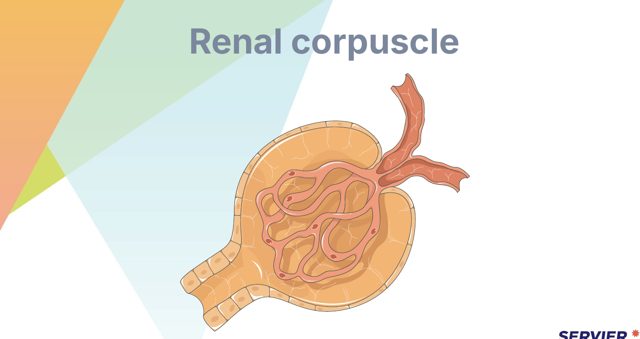
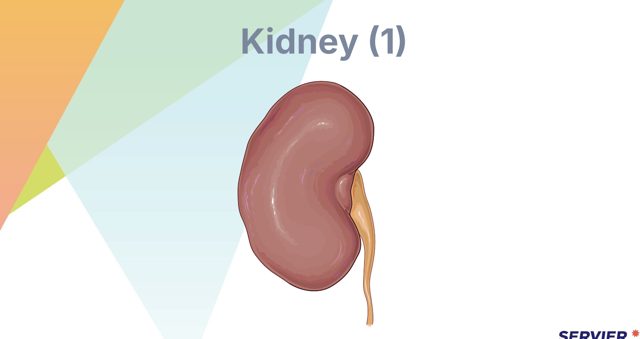
Filtration happens at the nephron, and the glomerular filtration rate is the measure of how much blood the kidneys clear per minute. But excretion is only part of the job, and the rest explains most of what goes wrong in kidney failure.
الترشيح يحدث في النفرون، ومعدّل الترشيح الكبيبي هو مقياس كمّية الدم التي تصفّيها الكليتان في الدقيقة. لكن الإطراح جزء من العمل فقط، والباقي يفسّر معظم ما يختلّ في الفشل الكلوي.
The kidneys also regulate fluid and electrolyte balance and acid–base balance; secrete renin, which raises blood pressure; produce erythropoietin, which stimulates red cell production; and activate vitamin D, which is required to absorb calcium.
وتنظّم الكليتان أيضاً ميزان السوائل والشوارد والتوازن الحمضي القاعدي؛ وتفرزان الرينين الذي يرفع ضغط الدم؛ وتُنتجان الإريثروبويتين الذي يحفّز إنتاج الكريّات الحمر؛ وتفعّلان فيتامين د اللازم لامتصاص الكالسيوم.
Read that list backwards and chronic kidney disease makes sense as a whole rather than as a set of unrelated problems: the anaemia comes from lost erythropoietin, the bone disease and low calcium from lost vitamin D activation and retained phosphate, the hypertension partly from renin and fluid retention, the acidosis from lost acid handling, and the hyperkalaemia and overload from lost excretion.
وعند قراءة تلك القائمة معكوسةً يصير مرض الكلى المزمن مفهوماً ككلّ لا كمجموعة مشكلات غير مرتبطة: ففقر الدم من فقد الإريثروبويتين، ومرض العظم ونقص الكالسيوم من فقد تفعيل فيتامين د واحتباس الفوسفات، وارتفاع ضغط الدم جزئياً من الرينين واحتباس السوائل، والحماض من فقد معالجة الحمض، وفرط البوتاسيوم وزيادة السوائل من فقد الإطراح.
4.2 · Urinalysis and Renal Bloods٤٫٢ · تحليل البول وفحوص الدم الكلوية
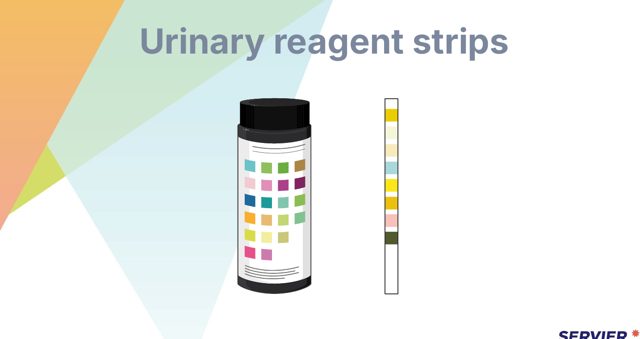
On urinalysis: normal urine is clear and pale to amber. Cloudy urine suggests infection or sediment, and an offensive smell supports it. Specific gravity, normally about 1.005 to 1.030, reflects concentration — a high value suggests dehydration, a persistently low fixed value suggests the kidney has lost its ability to concentrate.
في تحليل البول: البول الطبيعي صافٍ شاحب إلى كهرماني. والعكارة توحي بعدوى أو رواسب، والرائحة الكريهة تدعمها. والثقل النوعي، وطبيعياً نحو ١٫٠٠٥ إلى ١٫٠٣٠، يعكس التركيز — فالقيمة المرتفعة توحي بجفاف، والقيمة المنخفضة الثابتة المستمرّة توحي بفقد الكلية قدرتها على التركيز.
The dipstick findings that matter: protein suggests glomerular damage; blood suggests infection, stones, trauma or malignancy; nitrites and leucocyte esterase together suggest a urinary tract infection; and glucose and ketones point back to diabetes rather than to the kidney.
وموجودات الشريط التي تهمّ: البروتين يوحي بتلف كبيبي؛ والدم يوحي بعدوى أو حصيات أو رضّ أو خباثة؛ والنتريت وإستراز الكريّات البيض معاً يوحيان بعدوى في الجهاز البولي؛ والغلوكوز والكيتونات تشيران إلى السكّري لا إلى الكلية.
For a midstream clean catch: clean the area, start voiding into the toilet, then collect the middle portion without stopping the stream, and cap the container without touching the inside. The first portion washes out contaminating organisms from the urethra, which is the whole point.
ولعيّنة منتصف التبوّل النظيفة: تُنظَّف المنطقة، ويبدأ التبوّل في المرحاض، ثم يُجمع الجزء الأوسط دون إيقاف الجريان، وتُغلق الحاوية دون لمس داخلها. فالجزء الأول يغسل الكائنات الملوّثة من الإحليل، وهو المقصود كلّه.
On bloods: serum creatinine is the more specific marker of kidney function, because it is produced at a steady rate from muscle and is cleared almost entirely by the kidney. Urea rises with kidney disease too, but it is also raised by dehydration, a high protein intake, gastrointestinal bleeding, steroids and catabolic states — so a raised urea with a normal creatinine often means something other than kidney damage. eGFR estimates the filtration rate and is what stages chronic kidney disease.
وفي فحوص الدم: الكرياتينين في المصل هو الواسم الأكثر نوعيةً لوظيفة الكلى، فهو يُنتَج بمعدّل ثابت من العضل وتصفّيه الكلية بالكامل تقريباً. واليوريا ترتفع مع مرض الكلى أيضاً، لكن يرفعها كذلك الجفاف والوارد البروتيني العالي والنزف الهضمي والستيرويدات والحالات الهدمية — فارتفاع اليوريا مع كرياتينين طبيعي يعني شيئاً غير التلف الكلوي غالباً. ومعدّل الترشيح الكبيبي المقدَّر (eGFR) يقدّر معدّل الترشيح وهو ما يُدرِّج مرض الكلى المزمن.
4.3 · Renal Imaging and Procedures٤٫٣ · التصوير والإجراءات الكلوية
Ultrasound is the usual first image — it needs no contrast and no radiation and shows obstruction, hydronephrosis and kidney size. Computed tomography gives more detail and is the standard for stones. Before any study using iodinated contrast, the serum creatinine is checked, because contrast is nephrotoxic and can precipitate acute kidney injury in someone whose function is already reduced. Hydration before and after, and holding metformin as Chapter 03 sets out, are the usual precautions.
الموجات فوق الصوتية أول تصوير معتاد — فلا تحتاج صبغة ولا إشعاعاً وتُظهر الانسداد واستسقاء الكلية وحجمها. والتصوير المقطعي يعطي تفصيلاً أكثر وهو المعيار للحصيات. وقبل أيّ دراسة تستخدم صبغة يودية يُفحَص كرياتينين المصل، فالصبغة سامّة كلوياً وقد تُحدث أذيّة كلوية حادّة لدى من وظيفته منخفضة أصلاً. والإماهة قبلها وبعدها وحجب الميتفورمين كما يبيّن الفصل الثالث هي الاحتياطات المعتادة.
Renal biopsy: check clotting and blood pressure beforehand and confirm consent. Afterwards the patient lies flat or supine with pressure over the site for the period specified, and the priority observation is bleeding — monitor pulse, blood pressure and haemoglobin, inspect the urine for frank blood, and watch for flank pain or a falling blood pressure. Heavy lifting and strenuous activity are avoided for the period the unit specifies.
وخزعة الكلية: يُفحص التخثّر والضغط مسبقاً وتُؤكَّد الموافقة. وبعدها يستلقي المريض مسطّحاً أو على ظهره مع ضغط على الموقع للمدّة المحدّدة، والملاحظة ذات الأولوية النزف — يُراقَب النبض والضغط والهيموغلوبين، ويُفحص البول بحثاً عن دم صريح، ويُراقَب ألم الخاصرة أو هبوط الضغط. ويُتجنّب الرفع الثقيل والنشاط الشاقّ للمدّة التي تحدّدها الوحدة.
Cystoscopy inspects the bladder directly. Afterwards, some pink-tinged urine and burning on passing urine are expected for a short period; frank bleeding, clots, inability to pass urine, fever or severe pain are not and are reported. Encourage fluids. Urodynamic studies measure bladder pressures and flow, and a bladder scan is the non-invasive way to measure a residual volume before deciding whether to catheterise, as Part 01 Chapter 07 sets out.
وتنظير المثانة يفحص المثانة مباشرةً. وبعده يُتوقّع بول مائل للوردي وحرقة عند التبوّل مدّةً قصيرة؛ أما النزف الصريح والخثرات وتعذّر التبوّل والحمّى والألم الشديد فهي غير متوقَّعة وتُبلَّغ. ويُشجَّع المريض على تناول السوائل. ودراسات ديناميكية البول تقيس ضغوط المثانة والجريان، وماسح المثانة هو طريقة غير جراحية لقياس الحجم المتبقّي قبل تقرير القسطرة كما يبيّن الفصل السابع من الجزء الأول.
4.4 · Acute Kidney Injury: the Three Causes٤٫٤ · الأذيّة الكلوية الحادّة: الأسباب الثلاثة
Classify by WHERE the problem is RELATIVE TO THE KIDNEY, because that DECIDES THE TREATMENT.
يُصنَّف بحسب موضع المشكلة نسبةً إلى الكلية، فذلك يحدّد العلاج.
Intrinsic is damage to the kidney tissue itself: acute tubular necrosis from prolonged ischaemia or from nephrotoxins, glomerulonephritis, interstitial nephritis, and rhabdomyolysis, where myoglobin released from crushed muscle blocks the tubules. Postrenal is obstruction below the kidney: stones, an enlarged prostate, a tumour, or a blocked catheter — and it is the one that is most easily reversed, sometimes by simply unblocking a catheter.
والكلوي الجوهري تلف في نسيج الكلية نفسه: نخر أنبوبي حادّ من نقص تروية مطوّل أو من سموم كلوية، والتهاب الكبيبات، والتهاب الكلية الخلالي، وانحلال الربيدات حيث يسدّ الميوغلوبين المتحرّر من عضل مسحوق الأنابيب. وما بعد الكلوي انسداد أسفل الكلية: حصيات أو بروستاتا متضخّمة أو ورم أو قسطرة مسدودة — وهو الأسهل عكساً، وأحياناً بمجرّد فكّ انسداد قسطرة.
The nephrotoxic drugs to know: non-steroidal anti-inflammatory drugs, aminoglycoside antibiotics such as gentamicin, iodinated contrast, vancomycin, and — in specific circumstances — ACE inhibitors and ARBs. In a patient whose function is falling, reviewing the drug chart is as important as any investigation.
والأدوية السامّة كلوياً الواجب معرفتها: مضادّات الالتهاب غير الستيرويدية، والمضادّات الحيوية الأمينوغليكوزيدية كالجنتاميسين، والصبغة اليودية، والفانكوميسين، وفي ظروف محدّدة — مثبّطات الإنزيم المحوِّل للأنجيوتنسين وحاصرات مستقبلات الأنجيوتنسين. ولدى مريض تنخفض وظيفته تكون مراجعة جدول الأدوية بأهمّية أيّ استقصاء.
4.5 · The Phases of Acute Kidney Injury٤٫٥ · أطوار الأذيّة الكلوية الحادّة
The diuretic phase is the one that catches people out. As the tubules begin to recover they cannot yet concentrate urine, so the patient passes very large volumes — sometimes several litres a day. It looks like improvement, and in one sense it is, but the danger has reversed: now the risks are dehydration, hypotension, hyponatraemia and hypokalaemia. Fluid and electrolyte replacement, not restriction, is what the patient needs at this point.
والطور المُدرّ هو الذي يُوقع الناس في الخطأ. فمع بدء تعافي الأنابيب لا تستطيع تركيز البول بعد، فيُخرج المريض كمّيات كبيرة جداً — لترات أحياناً يومياً. ويبدو الأمر تحسّناً، وهو كذلك بمعنى ما، لكن الخطر انعكس: فالمخاطر الآن الجفاف وهبوط الضغط ونقص الصوديوم ونقص البوتاسيوم. وتعويض السوائل والشوارد لا تقييدها هو ما يحتاجه المريض عند هذه النقطة.
The recovery phase can take months to a year, and function may not return fully. Some patients are left with chronic kidney disease, so follow-up matters even when the acute episode resolves.
وطور التعافي قد يستغرق أشهراً إلى سنة، وقد لا تعود الوظيفة كاملةً. وبعض المرضى يبقى لديهم مرض كلى مزمن، فالمتابعة تهمّ حتى بعد انفراج النوبة الحادّة.
Urgent dialysis is indicated for acidosis that cannot be corrected, electrolyte disturbance — particularly refractory hyperkalaemia, intoxication with a dialysable poison, fluid overload unresponsive to diuretics, and symptomatic uraemia such as pericarditis or encephalopathy.
والغسيل العاجل مستطبّ لحماض لا يُصحَّح، واضطراب شوارد وخاصّةً فرط بوتاسيوم معند، وتسمّم بسمّ قابل للغسيل، وزيادة سوائل لا تستجيب للمدرّات، ويوريميا عرَضية كالتهاب التامور أو اعتلال الدماغ.
4.6 · Chronic Kidney Disease٤٫٦ · مرض الكلى المزمن
Chronic kidney disease is staged by eGFR: stage 1 is 90 or above and stage 2 is 60 to 89 (each counts as CKD only with evidence of kidney damage, such as albuminuria — an eGFR of 60 or more alone is not CKD), stage 3 is 30 to 59 (3a is 45 to 59 and 3b is 30 to 44), stage 4 is 15 to 29, and stage 5 is below 15 — end stage, requiring dialysis or transplantation. The two commonest causes worldwide and in the Kingdom are diabetes and hypertension.
مرض الكلى المزمن يُدرَّج بمعدّل الترشيح الكبيبي المقدَّر (eGFR): فالمرحلة الأولى ٩٠ فأعلى والثانية ٦٠ إلى ٨٩ (ولا يُشخَّص مرض الكلى المزمن في أيٍّ منهما إلا مع وجود دليل على تلف كلوي كبيلة الألبومين، فمعدّل ترشيح ٦٠ فأكثر وحده لا يكفي)، والثالثة ٣٠ إلى ٥٩ (٣أ من ٤٥ إلى ٥٩ و٣ب من ٣٠ إلى ٤٤)، والرابعة ١٥ إلى ٢٩، والخامسة دون ١٥ — وهي المرحلة النهائية وتتطلّب غسيلاً أو زرعاً. والسببان الأشيع عالمياً وفي المملكة هما السكّري وارتفاع ضغط الدم.
Uraemia is the accumulation of waste and it affects every system: fatigue and weakness, anorexia, nausea and a metallic taste, pruritus that can be severe, easy bruising and a bleeding tendency from platelet dysfunction, restless legs and peripheral neuropathy, and in advanced disease uraemic frost, pericarditis and encephalopathy with asterixis and confusion.
واليوريميا تراكم الفضلات وهو يصيب كلّ جهاز: تعب وضعف، وفقد شهيّة وغثيان وطعم معدني، وحكّة قد تكون شديدة، وسهولة الكدمات وميل للنزف من اختلال الصفيحات، وتململ الساقين واعتلال عصبي طرفي، وفي المرض المتقدّم صقيع بولي والتهاب تامور واعتلال دماغ مع رعاش خافق وتشوّش.
Anaemia comes from lost erythropoietin and is treated with an erythropoiesis-stimulating agent such as epoetin alfa — but iron stores must be adequate first, because the drug cannot make red cells without iron and giving it to an iron-deficient patient simply does not work. Monitor the haemoglobin and the blood pressure, since these agents can raise it.
وفقر الدم من فقد الإريثروبويتين ويُعالَج بعامل محفّز لتكوّن الكريّات الحمر كالإبوإيتين ألفا — لكن يجب أن تكون مخازن الحديد كافية أولاً، فالدواء لا يستطيع صنع كريّات حمر دون حديد وإعطاؤه لمريض ناقص الحديد لا ينفع ببساطة. ويُراقَب الهيموغلوبين والضغط، فهذه العوامل قد ترفعه.
Mineral and bone disorder: the failing kidney retains phosphate and cannot activate vitamin D, so calcium falls, the parathyroid glands respond by producing more hormone, and that hormone pulls calcium out of bone — secondary hyperparathyroidism and renal bone disease. Treatment is phosphate binders, which must be taken with meals because they work by binding the phosphate in the food, plus active vitamin D and dietary phosphate restriction. Metabolic acidosis is treated with bicarbonate.
واضطراب المعادن والعظم: الكلية القاصرة تحتفظ بالفوسفات ولا تستطيع تفعيل فيتامين د، فينخفض الكالسيوم، وتستجيب الغدد جارات الدرقية بإنتاج هرمون أكثر، وذلك الهرمون يسحب الكالسيوم من العظم — فرط نشاط جارات الدرقية الثانوي ومرض العظم الكلوي. والعلاج رابطات الفوسفات ويجب أخذها مع الوجبات لأنها تعمل بربط الفوسفات في الطعام، مع فيتامين د الفعّال وتقييد الفوسفات الغذائي. والحماض الاستقلابي يُعالَج بالبيكربونات.
4.7 · Diet and Fluid in Kidney Disease٤٫٧ · الحمية والسوائل في مرض الكلى
FOUR things are restricted — and EACH for a reason the patient should HEAR rather than simply be TOLD.
أربعة أمور تُقيَّد — وكلّ منها لسبب ينبغي أن يسمعه المريض لا أن يُملى عليه فحسب.
- Bananas, oranges and orange juiceالموز والبرتقال وعصير البرتقال
- DATES and dried fruitالتمر والفواكه المجفّفة
- Potatoes and tomatoesالبطاطا والطماطم
- Avocado, spinachالأفوكادو والسبانخ
- Nuts, and SALT SUBSTITUTES — which are potassium chloride and are a hidden and dangerous sourceالمكسّرات وبدائل الملح — وهي كلوريد البوتاسيوم ومصدر خفيّ وخطير
- Dairy productsمنتجات الألبان
- Nuts and seedsالمكسّرات والبذور
- COLA drinksمشروبات الكولا
- Processed meatsاللحوم المُصنَّعة
- and whole grainsوالحبوب الكاملة
FLUID RESTRICTION is often the HARDEST part of the regimen to live with, and thirst is genuinely distressing. Practical measures: SPREAD the allowance across the day, use SMALL cups, SUCK ICE CHIPS and count them in the allowance, use SUGAR-FREE SWEETS or chewing gum, RINSE the mouth without swallowing, keep the mouth moist — and CUT THE SALT, because salt is what drives the thirst.
وتقييد السوائل غالباً أصعب أجزاء النظام تحمّلاً والعطش مكرب فعلاً. والتدابير العملية: توزيع المسموح عبر اليوم، واستخدام أكواب صغيرة، ومصّ رقائق الثلج واحتسابها ضمن المسموح، واستخدام الحلوى الخالية من السكر أو العلكة، والمضمضة دون بلع، وإبقاء الفم رطباً — وتقليل الملح لأنه هو ما يقود العطش.
Potassium is restricted because the failing kidney cannot excrete it and hyperkalaemia causes fatal arrhythmia. The high-potassium foods to name: bananas, oranges and orange juice, potatoes, tomatoes, dried fruit including dates, avocado, spinach, nuts and salt substitutes — the last of these catches people out, because a patient told to cut down salt may buy a substitute that is potassium chloride.
والبوتاسيوم يُقيَّد لأن الكلية القاصرة لا تستطيع إطراحه وفرط البوتاسيوم يسبّب اضطراب نظم مميتاً. والأطعمة عالية البوتاسيوم الواجب تسميتها: الموز والبرتقال وعصيره والبطاطا والطماطم والفواكه المجفّفة ومنها التمر والأفوكادو والسبانخ والمكسّرات وبدائل الملح — وآخرها يُوقع الناس في الخطأ، فالمريض الذي يُطلَب منه تقليل الملح قد يشتري بديلاً هو كلوريد البوتاسيوم.
Phosphate is restricted because retained phosphate drives the bone disease. The high-phosphate foods: dairy products, nuts and seeds, cola drinks, processed meats and foods with phosphate additives. Reading labels for additives matters as much as avoiding the obvious foods.
والفوسفات يُقيَّد لأن احتباسه يقود مرض العظم. والأطعمة عالية الفوسفات: منتجات الألبان والمكسّرات والبذور ومشروبات الكولا واللحوم المصنّعة والأطعمة المحتوية على إضافات الفوسفات. وقراءة الملصقات بحثاً عن الإضافات تهمّ بقدر تجنّب الأطعمة الواضحة.
4.8 · Haemodialysis and Vascular Access٤٫٨ · الغسيل الكلوي الدموي والمدخل الوعائي
An ARTERIOVENOUS FISTULA is created by joining an ARTERY to a VEIN, usually in the arm. The vein then THICKENS and ENLARGES under arterial pressure — MATURATION, which takes weeks to months before it can be used.
الناسور الشرياني الوريدي يُنشأ بوصل شريان بوريد في الذراع عادةً. ثم يثخن الوريد ويتّسع تحت الضغط الشرياني — النضج، وهو يستغرق أسابيع إلى أشهر قبل أن يمكن استخدامه.
- PALPATE for a THRILL — a BUZZING VIBRATIONالجسّ بحثاً عن الرعشة — اهتزاز طنيني
- AUSCULTATE for a BRUIT — a WHOOSHING soundالتسمّع بحثاً عن اللغط — صوت اندفاعي
- BOTH present = patent and flowingوجود كليهما = سالك ويتدفّق
- ABSENCE of either is reported IMMEDIATELY — it may be clotting, and a clotted fistula is often lostغياب أيّ منهما يُبلَّغ عنه فوراً — قد يكون تخثّراً، والناسور المتخثّر غالباً ما يُفقَد
- NO blood pressure measurementلا قياس ضغط دم
- NO venipunctureلا وخز وريدي
- NO intravenous cannulationلا تركيب قُنيّة وريدية
- NO injections in that armلا حقن في تلك الذراع
- No tight clothing, watch or restrictive band; no sleeping on it; no heavy liftingلا ملابس ضيّقة أو ساعة أو رباط ضاغط؛ لا النوم عليها؛ لا رفع أثقال
- SIGNED above the bed — because it will otherwise be done by someone who does not knowلافتة تحذيرية فوق السرير — لأنه بخلاف ذلك سيُنفَّذ من شخص لا يعرف
Assessing a fistula: palpate for a thrill — a buzzing vibration — and auscultate for a bruit — a whooshing sound. Both present means it is patent and flowing. Absence of the thrill or bruit means it may have clotted and is reported immediately, because a fistula that clots may be lost. Check the limb for warmth, colour, sensation and swelling too, since a fistula can steal blood from the hand.
وتقييم الناسور: الجسّ بحثاً عن الرعشة — اهتزاز طنيني — والتسمّع بحثاً عن اللغط — صوت اندفاعي. ووجودهما معاً يعني أنه سالك وجارٍ. وغياب الرعشة أو اللغط يعني احتمال تخثّره ويُبلَّغ فوراً، فالناسور المتخثّر قد يُفقَد. ويُفحص الطرف من حيث الدفء واللون والإحساس والتورّم أيضاً، فالناسور قد يسرق الدم من اليد.
Protecting the fistula arm is a standing nursing responsibility: no blood pressure measurement, no venipuncture, no intravenous cannulation and no injections in that arm; no tight clothing, watches or jewellery on it; nothing constricting; and the patient should not sleep on it or carry heavy bags with it. Put a sign above the bed, because the arm will otherwise be used by someone who does not know.
وحماية ذراع الناسور مسؤولية تمريضية دائمة: لا قياس ضغط ولا وخز وريدي ولا تركيب قنية ولا حقن في تلك الذراع؛ ولا ملابس ضيّقة ولا ساعات ولا حليّ عليها؛ ولا شيء ضاغط؛ ولا ينام المريض عليها ولا يحمل بها حقائب ثقيلة. وتُوضع لافتة فوق السرير، وإلا فستُستخدَم الذراع ممّن لا يعلم.
Around a dialysis session: weigh before and after, since the difference is the fluid removed and the target is the patient's dry weight. Certain drugs are held until after dialysis — antihypertensives in particular, because removing fluid drops the pressure anyway, and dialysable drugs that would simply be cleared. Complications during and after: hypotension from removing fluid too quickly, muscle cramps, bleeding from the access site, infection, and dialysis disequilibrium syndrome.
وحول جلسة الغسيل: يُوزَن المريض قبلها وبعدها، فالفرق هو السائل المُزال والهدف الوزن الجافّ للمريض. وبعض الأدوية تُحجَب حتى بعد الغسيل — وخافضات الضغط خاصّةً، فإزالة السوائل تخفض الضغط أصلاً، والأدوية القابلة للغسيل التي ستُصفّى ببساطة. والمضاعفات أثناءه وبعده: هبوط ضغط من إزالة السوائل بسرعة مفرطة، وتشنّجات عضلية، ونزف من موقع المدخل، وعدوى، ومتلازمة اختلال توازن الغسيل.
Dialysis disequilibrium syndrome occurs when urea is cleared from the blood faster than from the brain, so water shifts into brain tissue. It presents during or shortly after dialysis with headache, nausea, vomiting, restlessness and confusion, and in severe cases seizures. It is commonest in the first few dialysis sessions and when the urea was very high, and it is prevented by dialysing more slowly and for shorter periods at the start.
ومتلازمة اختلال توازن الغسيل تحدث حين تُصفّى اليوريا من الدم أسرع منها من الدماغ، فينتقل الماء إلى نسيج الدماغ. وتتظاهر أثناء الغسيل أو بعده بقليل بصداع وغثيان وتقيّؤ وتململ وتشوّش، واختلاجات في الحالات الشديدة. وهي أشيع في الجلسات الأولى القليلة وحين كانت اليوريا مرتفعة جداً، ويمكن الوقاية منها بإجراء الغسيل ببطء أكبر ولمدد أقصر في البداية.
4.9 · Peritoneal Dialysis and Transplantation٤٫٩ · الغسيل البريتواني والزرع
In peritoneal dialysis, dialysate is instilled into the abdominal cavity through a permanent catheter, left to dwell while waste crosses the peritoneal membrane, then drained. It can be done at home and gives more independence, but it depends entirely on aseptic technique at every exchange.
في الغسيل البريتواني يُدخَل سائل الغسيل إلى جوف البطن عبر قسطرة دائمة، ويُترك ليمكث بينما تعبر الفضلات الغشاء البريتواني، ثم يُصرَّف. ويمكن إجراؤه في المنزل ويعطي استقلالية أكبر، لكنه يعتمد كلّياً على التقنية المعقّمة في كلّ تبادل.
Cloudy effluent is peritonitis until proved otherwise, and it is the complication that matters most. It comes with abdominal pain, tenderness, fever and sometimes nausea. Send the effluent for cell count, Gram stain and culture, report immediately, and expect intraperitoneal antibiotics. Repeated peritonitis scars the membrane and can end peritoneal dialysis permanently, so prevention through technique is not a minor point.
والعكارة في السائل المصرَّف التهاب بريتون حتى يثبت العكس، وهي المضاعفة الأهمّ. وتأتي مع ألم بطني وإيلام وحمّى وغثيان أحياناً. يُرسَل السائل لعدّ الخلايا وصبغة غرام والمزرعة، ويُبلَّغ فوراً، ويُتوقَّع إعطاء مضادات حيوية داخل البريتون. والتهاب البريتون المتكرّر يسبّب تندّب الغشاء وقد يُنهي الغسيل البريتواني نهائياً، فالوقاية بالتقنية ليست نقطة ثانوية.
Outflow failure — the fluid does not drain — is usually mechanical: check for a kinked or clamped catheter, reposition the patient, and consider constipation, which is a common and easily missed cause because a loaded bowel presses on the catheter. Also monitor the exit site for redness, discharge or tenderness, and warm the dialysate before instilling it, since cold fluid causes cramping.
وفشل التصريف — أي عدم خروج السائل — ميكانيكي عادةً: تُفحص القسطرة بحثاً عن انثناء أو إقفال، وتُغيَّر وضعية المريض، ويُنظر في الإمساك وهو سبب شائع سهل الإغفال، فالأمعاء المحمّلة تضغط القسطرة. ويُراقَب موقع الخروج بحثاً عن احمرار أو إفراز أو إيلام، ويُدفَّأ سائل الغسيل قبل إدخاله، فالسائل البارد يسبّب مغصاً.
After transplantation the signs of rejection are fever, pain or tenderness over the graft, reduced urine output, a rising creatinine, hypertension, weight gain and general malaise. Immunosuppression prevents rejection but suppresses the response to infection, so the patient is at high risk and the usual signs of infection are blunted — a low-grade fever in an immunosuppressed transplant patient is taken seriously. Teach adherence to the immunosuppressants absolutely, hand hygiene, food safety, avoiding people with infections, and reporting any fever or change in urine output at once.
وبعد الزرع تتمثّل علامات الرفض في الحمّى والألم أو الإيلام فوق الطعم ونقص إدرار البول وارتفاع الكرياتينين وارتفاع ضغط الدم وزيادة الوزن والتوعّك العام. وكبت المناعة يمنع الرفض لكنه يكبت الاستجابة للعدوى، فالمريض عالي الخطر وعلامات العدوى المعتادة خامدة — والحمّى الخفيفة لدى مريض زرع مكبوت المناعة تُؤخَذ بجدّية. ويُعلَّم المريض الالتزام بمثبّطات المناعة قطعياً ونظافة اليدين وسلامة الطعام وتجنّب المصابين بعدوى والإبلاغ عن أيّ حمّى أو تغيّر في إدرار البول فوراً.
4.10 · Living With Kidney Failure٤٫١٠ · التعايش مع الفشل الكلوي
The symptoms that dominate a patient’s life are often NOT the ones on the observation chart.
الأعراض التي تهيمن على حياة المريض كثيراً ما لا تكون تلك التي على مخطّط القياسات.
Depression is common in end-stage kidney disease and is under-recognised, partly because its symptoms — fatigue, poor appetite, poor sleep — overlap with uraemia itself. It matters clinically as well as humanly, because it affects adherence to a demanding regimen of dialysis, diet, fluid limits and many medications. Ask about mood, and refer as Part 01 Chapter 03 sets out rather than treating low mood as an understandable reaction that needs no action.
والاكتئاب شائع في مرض الكلى بمرحلته النهائية ولا يُتعرَّف إليه بالقدر الكافي، جزئياً لأن أعراضه — التعب وضعف الشهيّة وسوء النوم — تتداخل مع اليوريميا نفسها. وهو يهمّ سريرياً وإنسانياً، فهو يؤثّر على الالتزام بنظام شاقّ من غسيل وحمية وحدود سوائل وأدوية كثيرة. يُسأل عن المزاج، ويُحال كما يبيّن الفصل الثالث من الجزء الأول بدل معاملة انخفاض المزاج كردّ فعل مفهوم لا يحتاج إجراءً.
Two access complications worth knowing. Steal syndrome occurs when the fistula diverts so much blood that the hand beyond it becomes ischaemic: pain, coldness, pallor, numbness and weakness in that hand, worse during dialysis. It is reported, because untreated it causes tissue loss. And patients on dialysis are offered hepatitis B vaccination, because the dialysis setting carries a transmission risk; they often need a higher dose schedule and serological checking, since the immune response in uraemia is poorer.
ومضاعفتان للمدخل تستحقّان المعرفة. فمتلازمة السرقة تحدث حين يحوّل الناسور دماً كثيراً فتصير اليد بعده ناقصة التروية: ألم وبرودة وشحوب وخدر وضعف في تلك اليد، أسوأ أثناء الغسيل. وتُبلَّغ، فبلا علاج تسبّب فقد نسيج. ومرضى الغسيل يُعرَض عليهم لقاح التهاب الكبد ب، فبيئة الغسيل تحمل خطر انتقال؛ ويحتاجون جدول جرعات أعلى وفحصاً مصلياً غالباً، فالاستجابة المناعية في اليوريميا أضعف.
Not every patient with end-stage disease starts dialysis. Conservative management — treating the symptoms and the complications without renal replacement — is a legitimate and sometimes preferable choice for a frail elderly patient with significant comorbidity, in whom dialysis may add burden without adding meaningful time. It requires an honest conversation about what dialysis involves and what it can and cannot achieve, and it sits within the advance care planning described in Part 01 Chapter 06. A patient choosing conservative care is choosing a treatment, not declining care.
وليس كلّ مريض بمرض كلوي في مرحلته النهائية يبدأ الغسيل. فالتدبير المحافظ — بمعالجة الأعراض والمضاعفات دون علاج كلوي بديل — خيار مشروع وأفضل أحياناً لمريض مسنّ واهن بأمراض مرافقة مهمّة، قد يضيف له الغسيل عبئاً دون أن يضيف وقتاً ذا معنى. ويتطلّب حديثاً صادقاً عمّا يعنيه الغسيل وما يستطيع وما لا يستطيع تحقيقه، ويقع ضمن التخطيط المسبق للرعاية الموصوف في الفصل السادس من الجزء الأول. والمريض الذي يختار الرعاية المحافظة يختار علاجاً لا يرفض رعاية.
4.11 · Hyperkalaemia and the Renal Electrolytes٤٫١١ · فرط البوتاسيوم والشوارد الكلوية
HYPERKALAEMIA is the ELECTROLYTE EMERGENCY of kidney disease. Causes: reduced excretion in kidney failure, potassium-sparing diuretics, ACE inhibitors and ARBs, potassium supplements and SALT SUBSTITUTES, acidosis, and tissue breakdown from crush injury, burns or haemolysis.
فرط بوتاسيوم الدم هو الحالة الشاردية الإسعافية في مرض الكلى. ومن أسبابه: نقص الإطراح في الفشل الكلوي، والمدرّات الحافظة للبوتاسيوم، ومثبّطات الإنزيم المحوِّل للأنجيوتنسين وحاصرات مستقبلات الأنجيوتنسين، ومكمّلات البوتاسيوم وبدائل الملح، والحماض، وتحلّل الأنسجة من رضّ سحقي أو حروق أو انحلال دم.
The ECG changes progress in a recognisable order, as Chapter 01 sets out: tall peaked T waves first, then a flattening P wave and widening QRS, then a sine wave and cardiac arrest. Clinically the patient may have muscle weakness, paraesthesia and palpitations, but he may have nothing at all until the arrhythmia — which is why the number is acted on rather than the symptoms.
وتغيّرات التخطيط تتقدّم بترتيب يمكن تمييزه كما يبيّن الفصل الأول: موجات T طويلة مدبّبة أولاً، ثم تسطّح موجة P واتّساع QRS، ثم موجة جيبية وتوقّف قلبي. وسريرياً قد يكون لدى المريض ضعف عضلي ونمل وخفقان، لكن قد لا يكون لديه شيء حتى اضطراب النظم — ولهذا يُبنى الإجراء على الرقم لا على الأعراض.
Emergency treatment has three separate jobs, and knowing which drug does which is what the exam tests. Calcium gluconate protects the heart — it stabilises the cardiac membrane and does not lower the potassium at all. Insulin with dextrose, and nebulised salbutamol, shift potassium into the cells — fast but temporary. Potassium binders (sodium zirconium cyclosilicate or patiromer; calcium resonium is no longer routine) and dialysis actually remove it from the body.
والعلاج الإسعافي له ثلاث مهامّ منفصلة، ومعرفة أيّ دواء يؤدّي أيّها هو ما يختبره الامتحان. فغلوكونات الكالسيوم تحمي القلب — فهي تثبّت الغشاء القلبي ولا تخفض البوتاسيوم إطلاقاً. والإنسولين مع الدكستروز والسالبوتامول المرذَّذ ينقلان البوتاسيوم إلى الخلايا — بسرعة لكن مؤقّتاً. ورابطات البوتاسيوم (سيكلوسيليكات زركونيوم الصوديوم أو الباتيرومير؛ ولم يعد الكالسيوم ريزونيوم روتينياً) والغسيل تزيله فعلاً من الجسم.
The other electrolytes follow the same logic. Hypokalaemia appears in the diuretic phase of acute kidney injury and with loop diuretics, giving weakness, cramps, flat T waves and a U wave. Calcium falls and phosphate rises in chronic kidney disease, as described earlier. Sodium disturbance depends on water rather than salt: dilutional hyponatraemia with fluid overload, hypernatraemia with dehydration.
وبقية الشوارد تتبع المنطق نفسه. فنقص البوتاسيوم يظهر في الطور المُدرّ من الأذيّة الكلوية الحادّة ومع المدرّات العروية، فيعطي ضعفاً وتشنّجات وموجات T مسطّحة وموجة U. والكالسيوم ينخفض والفوسفات يرتفع في مرض الكلى المزمن كما وُصف سابقاً. واضطراب الصوديوم يعتمد على الماء لا الملح: نقص صوديوم تخفيفي مع زيادة السوائل، وفرط صوديوم مع الجفاف.
4.12 · Urinary Tract Infection and Pyelonephritis٤٫١٢ · عدوى الجهاز البولي والتهاب الحويضة والكلية
— الإجراء الذي يتفوّق على جميع الإجراءات الأخرى هو إزالتها بمجرد انتهاء الحاجة إليهانص المخطط: العناية بالقسطرة البولية — المثانة؛ كيس التصريف. أربع قواعد: نظام مغلق؛ الكيس أدنى من مستوى المثانة؛ الكيس لا يلامس الأرض؛ القسطرة مثبَّتة. تُراجَع الحاجة إليها يومياً، وتُزال في أقرب وقت ممكن.Educational schematic (AL-FAHAD diagram, not a patient image) · مخطط تعليمي توضيحي وليس صورة لمريض
Cystitis is infection of the bladder: frequency, urgency, dysuria, suprapubic discomfort and cloudy or offensive urine, usually without fever. Pyelonephritis is infection of the kidney itself and is systemically unwell: fever and rigors, flank or loin pain, costovertebral angle tenderness, nausea and vomiting, on top of the lower urinary symptoms. The difference matters because pyelonephritis can lead to sepsis and scarring.
التهاب المثانة عدوى في المثانة: تكرار وإلحاح وعسر بول وانزعاج فوق العانة وبول عكر أو كريه، دون حمّى عادةً. والتهاب الحويضة والكلية عدوى في الكلية نفسها والمريض متوعّك جهازياً: حمّى وقشعريرة، وألم خاصرة أو قطن، وإيلام الزاوية الضلعية الفقرية، وغثيان وتقيّؤ، فوق أعراض الجهاز البولي السفلي. والفرق يهمّ لأن التهاب الحويضة قد يقود إلى إنتان وتندّب.
In an older adult a urinary tract infection can present as new confusion, falls, reduced mobility or incontinence rather than as urinary symptoms, and the fever may be absent. These features are non-specific, so a sudden change in an older patient's behaviour deserves a urine test and a search for other causes (medicines, dehydration, constipation, urinary retention, pain, other infection), and bacteriuria without urinary symptoms or systemic signs of infection is not treated.
ولدى كبير السنّ قد تتظاهر عدوى الجهاز البولي بتشوّش جديد أو سقوط أو نقص حركة أو سلس لا بأعراض بولية، وقد تغيب الحمّى. وهذه المظاهر غير نوعية، فالتغيّر المفاجئ في سلوك مريض مسنّ يستحقّ فحص بول مع البحث عن أسباب أخرى (كالأدوية والجفاف والإمساك واحتباس البول والألم وعدوى أخرى)، ولا تُعالَج البيلة الجرثومية دون أعراض بولية أو علامات جهازية للعدوى.
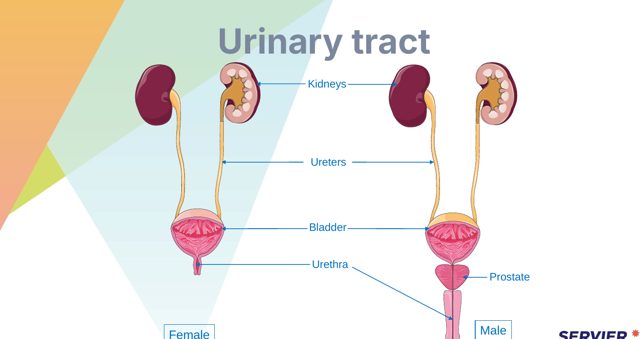
The nursing points: obtain the specimen before the first antibiotic dose, as Chapter 02 sets out for sputum; encourage fluids unless restricted; give analgesia; and teach prevention — adequate fluids, not delaying voiding, wiping front to back, voiding after intercourse, and avoiding irritants. For catheterised patients, the measures in Part 01 Chapter 07 apply, and the one that outperforms the rest is removing the catheter as soon as it is no longer needed.
والنقاط التمريضية: تُؤخذ العيّنة قبل أول جرعة مضاد حيوي كما يبيّن الفصل الثاني عن القشع؛ وتُشجَّع السوائل ما لم تُقيَّد؛ ويُعطى مسكّن؛ ويُعلَّم المريض الوقاية — سوائل كافية، وعدم تأجيل التبوّل، والمسح من الأمام للخلف، والتبوّل بعد الجماع، وتجنّب المهيّجات. ولمرضى القسطرة تنطبق تدابير الفصل السابع من الجزء الأول، والتدبير الذي يتفوّق على غيره نزع القسطرة فور انتفاء الحاجة.
4.13 · Incontinence and Bladder Management٤٫١٣ · السلس وتدبير المثانة
Four patterns, and each has a different answer. Stress incontinence is leakage on coughing, sneezing, laughing or exertion, from a weak pelvic floor or sphincter — the answer is pelvic floor exercises. Urge incontinence is a sudden compelling need followed by leakage before reaching the toilet, from an overactive detrusor — the answer is bladder training and sometimes an antimuscarinic such as oxybutynin.
أربعة أنماط ولكلّ جواب مختلف. فالسلس الجهدي تسرّب عند السعال أو العطس أو الضحك أو الجهد، من ضعف قاع الحوض أو المصرّة — والجواب تمارين قاع الحوض. والسلس الإلحاحي حاجة مفاجئة قاهرة يتبعها تسرّب قبل بلوغ المرحاض، من فرط نشاط العضلة النافضة — والجواب تدريب المثانة وأحياناً مضادّ مسكاريني كالأوكسيبوتينين.
Overflow incontinence is constant dribbling from a bladder that never empties, usually from obstruction — an enlarged prostate — or an underactive detrusor. The answer is to relieve the obstruction, and a bladder scan will show the large residual volume. Functional incontinence is a bladder that works normally in a person who cannot reach the toilet in time because of mobility, cognition, clothing or environment — the answer is environmental: a commode within reach, easier clothing, a clear route, adequate lighting and timed prompting.
والسلس الفيضي تقطير مستمرّ من مثانة لا تُفرَغ أبداً، من انسداد عادةً — بروستاتا متضخّمة — أو ضعف نشاط العضلة النافضة. والجواب تخفيف الانسداد، وماسح المثانة سيُظهر الحجم المتبقّي الكبير. والسلس الوظيفي مثانة تعمل بشكل طبيعي لدى شخص لا يستطيع بلوغ المرحاض في الوقت بسبب الحركة أو الإدراك أو الملابس أو البيئة — والجواب بيئي: كرسي مرحاض في المتناول، وملابس أسهل، وطريق خالٍ، وإضاءة كافية، وتذكير مُوقّت.
Pelvic floor exercises: teach the patient to tighten as if stopping the flow of urine and holding wind, hold for several seconds, relax fully, and repeat in sets several times a day. Warn him it takes weeks to months to show benefit, because patients abandon it after a fortnight expecting a quick result. Bladder training works by voiding to a schedule and gradually lengthening the interval, teaching the bladder to hold more rather than responding to every urge.
وتمارين قاع الحوض: يُعلَّم المريض الشدّ كأنه يوقف جريان البول ويحبس الريح، والمحافظة على الشدّ بضع ثوانٍ، والاسترخاء التامّ، والتكرار في مجموعات عدّة مرّات يومياً. ويُحذَّر المريض من أنها تحتاج أسابيع إلى أشهر لتُظهر فائدة، فالمرضى يتخلّون عنها بعد أسبوعين توقّعاً لنتيجة سريعة. وتدريب المثانة يعمل بالتبوّل وفق جدول وإطالة الفاصل تدريجياً، فيعلّم المثانة أن تحمل أكثر بدل الاستجابة لكلّ إلحاح.
Intermittent self-catheterisation empties the bladder at set intervals and is preferable to an indwelling catheter wherever the patient can manage it, because the infection rate is substantially lower. At home it is done with clean rather than sterile technique. Suprapubic catheterisation passes through the abdominal wall rather than the urethra and suits long-term drainage: it avoids urethral trauma, is often more comfortable, and is easier to manage — but the site needs regular inspection and the first change is done by trained staff.
والقسطرة الذاتية المتقطّعة تُفرغ المثانة بفواصل محدّدة وهي أفضل من القسطرة الدائمة حيثما يستطيع المريض إجراءها بنفسه، فمعدّل العدوى أقلّ جوهرياً. وفي المنزل تُجرى بتقنية نظيفة لا معقّمة. والقسطرة فوق العانة تمرّ عبر جدار البطن لا الإحليل وتناسب التصريف طويل الأمد: فهي تتجنّب رضّ الإحليل وهي أكثر راحةً غالباً وأسهل في التعامل — لكن الموقع يحتاج فحصاً منتظماً والتغيير الأول يُجريه طاقم مدرَّب.
4.14 · Renal Stones٤٫١٤ · الحصيات الكلوية
Renal colic is unmistakable: SUDDEN, SEVERE, COLICKY pain in the FLANK RADIATING TO THE GROIN, with a patient who CANNOT LIE STILL — RESTLESS and MOVING CONSTANTLY, often with nausea, vomiting and haematuria.
المغص الكلوي لا يُخطأ: ألم مفاجئ شديد مغصي في الخاصرة ينتشر إلى الأربية ومريض لا يستطيع السكون — متململ ويتحرّك باستمرار، وغالباً مع غثيان وتقيّؤ وبيلة دموية.
- REDUCE OXALATE-rich foods — spinach, rhubarb, nuts, TEA and chocolateتقليل الأطعمة الغنيّة بالأوكسالات — السبانخ والراوند والمكسّرات والشاي والشوكولاتة
- KEEP dietary calcium NORMAL — restricting it makes stones MORE likely, which is counter-intuitiveالمحافظة على الكالسيوم الغذائي طبيعياً — تقييده يزيد احتمال الحصى، وهو أمر غير بديهي
- Reduce salt and animal proteinتقليل الملح والبروتين الحيواني
- URIC ACID — reduce purines: red meat, offal, shellfish; ALKALINISE the urineحمض اليوريك — تقليل البيورينات: اللحوم الحمراء والأحشاء والمحار؛ وجعل البول قلوياً
- STRUVITE — associated with infection; treat the infectionالستروفيت — مرتبط بالعدوى؛ وتُعالَج العدوى
- CYSTINE — inherited, and needs high fluid intake above allالسيستين — وراثي، ويحتاج فوق كل شيء إلى شرب كمية كبيرة من السوائل
Whatever the type, the SINGLE MOST EFFECTIVE prevention is a HIGH FLUID INTAKE — enough to keep the URINE PALE — SUSTAINED LIFELONG, since recurrence is common. And that advice needs adapting here: in a hot climate, and during Ramadan, the intake has to be planned across the available hours rather than simply increased.
مهما كان نوع الحصاة، فإن أنجع وسيلة للوقاية على الإطلاق هي الإكثار من شرب السوائل بحيث يبقى البول فاتح اللون، ويجب الاستمرار على ذلك مدى الحياة لأن تكرارها شائع. وهذه النصيحة تحتاج إلى تكييف في هذا السياق: ففي المناخ الحارّ وخلال رمضان ينبغي تخطيط كمية السوائل على امتداد الساعات المتاحة بدلاً من مجرّد زيادتها.
The first nursing priority is pain relief. This is one of the most severe pains in medicine, and it is not a situation for waiting to see. Alongside that: obtain intravenous access, give antiemetics, encourage fluids unless obstruction contraindicates it, and — the instruction most often forgotten — strain all urine through a filter and keep anything recovered, because analysing the stone determines the prevention.
والأولوية التمريضية الأولى تسكين الألم. فهذا من أشدّ الآلام في الطبّ، وليس موقفاً للانتظار والترقّب. وإلى جانب ذلك: تأمين مدخل وريدي، وإعطاء مضادات القيء، وتشجيع السوائل ما لم يمنع الانسداد، وتصفية كلّ البول عبر مرشّح والاحتفاظ بأيّ شيء يُستخرَج (وهي التعليمة الأكثر نسياناً)، فتحليل الحصاة يحدّد الوقاية.
Types and prevention. Calcium oxalate is by far the commonest — reduce oxalate-rich foods such as spinach, rhubarb, nuts, tea and chocolate, and keep dietary calcium normal rather than restricted, which is counter-intuitive but correct: restricting calcium increases oxalate absorption. Uric acid stones — reduce purines such as red meat, organ meat and shellfish, and alkalinise the urine; allopurinol may be used. Struvite stones form with infection and require treating it. Cystine stones are inherited and need high fluid intake.
والأنواع والوقاية. فأوكسالات الكالسيوم الأشيع بفارق كبير — تقليل الأطعمة الغنية بالأوكسالات كالسبانخ والراوند والمكسّرات والشاي والشوكولاتة، وإبقاء الكالسيوم الغذائي طبيعياً لا مقيّداً، وهو مخالف للبديهة لكنه صحيح: فتقييد الكالسيوم يزيد امتصاص الأوكسالات. وحصيات حمض اليوريك — تقليل البيورينات كاللحوم الحمراء والأحشاء والمحار، وجعل البول قلوياً؛ وقد يُستخدَم الألوبيورينول. وحصيات الستروفيت تتشكّل مع العدوى وتتطلّب علاجها. وحصيات السيستين موروثة وتحتاج وارداً عالياً من السوائل.
4.15 · Renal Trauma and Genitourinary Emergencies٤٫١٥ · رضّ الكلية وطوارئ الجهاز البولي التناسلي
Testicular torsion is a surgical emergency and the one not to miss. It presents with sudden, severe scrotal pain, often waking the patient or starting abruptly, with swelling, nausea and vomiting, a high-riding testis and an absent cremasteric reflex. The testis loses its blood supply, so it must be operated on within a few hours to be saved — every hour of delay reduces the chance. Escalate immediately, keep the patient nil by mouth, give analgesia, and do not apply heat or manipulate the scrotum repeatedly.
التواء الخصية طارئ جراحي وهو الذي لا يجوز إغفاله. ويتظاهر بألم صفني شديد مفاجئ، يوقظ المريض غالباً أو يبدأ فجأةً، مع تورّم وغثيان وتقيّؤ وخصية مرتفعة وغياب المنعكس المشمّري. وتفقد الخصية إمدادها الدموي، فيجب إجراء العملية خلال ساعات قليلة لإنقاذها — وكلّ ساعة تأخير تقلّل الفرصة. يُصعَّد الأمر فوراً، ويُبقى المريض صائماً، ويُعطى مسكّن، ولا تُطبَّق حرارة ولا يُحرَّك الصفن مراراً.
Epididymitis is the main differential and is not a surgical emergency: the onset is gradual over days rather than sudden, there may be fever and urinary symptoms, and the pain may be relieved by elevating the scrotum (Prehn sign), although this sign is unreliable and must never be used to exclude torsion. It is treated with antibiotics, scrotal support, rest and analgesia. When the two cannot be distinguished clinically, the patient is treated as torsion.
والتهاب البربخ هو التشخيص التفريقي الرئيس وليس طارئاً جراحياً: فالبدء تدريجي عبر أيام لا مفاجئ، وقد توجد حمّى وأعراض بولية، والألم قد يزول برفع الصفن (علامة بريهن)، لكنّ هذه العلامة غير موثوقة ولا يجوز أن يُستبعد بها الالتواء. ويُعالَج بمضادات حيوية ودعامة صفنية وراحة ومسكّن. وحين يتعذّر التمييز سريرياً يُعامَل المريض كالتواء.
Testicular cancer occurs mainly in young men between roughly 15 and 35 and typically presents as a painless lump or swelling — which is why it is found late. Teach testicular self-examination monthly, ideally after a warm shower when the scrotum is relaxed: roll each testis gently between thumb and fingers feeling for a lump, hardness or change in size, and report anything new. It is highly treatable when caught early.
وسرطان الخصية يحدث أساساً لدى الشباب بين نحو ١٥ و٣٥ سنة ويتظاهر عادةً بكتلة أو تورّم غير مؤلم — ولهذا يُكتشَف متأخّراً. يُعلَّم المريض الفحص الذاتي للخصية شهرياً، ويُفضَّل بعد حمّام دافئ حين يرتخي الصفن: تدوير كلّ خصية برفق بين الإبهام والأصابع تحسّساً لكتلة أو صلابة أو تغيّر حجم، والإبلاغ عن أيّ جديد. وهو عالي القابلية للعلاج عند الاكتشاف المبكّر.
Urethral injury after pelvic trauma is the situation with the MOST IMPORTANT NURSING RULE in this chapter.
وإصابة الإحليل بعد رضّ الحوض هي الموقف ذو القاعدة التمريضية الأهمّ في هذا الفصل.
4.16 · Glomerular Disease٤٫١٦ · الأمراض الكبيبية
POST-STREPTOCOCCAL GLOMERULONEPHRITIS follows a STREPTOCOCCAL THROAT OR SKIN INFECTION by ONE TO THREE WEEKS — THE DELAY IS THE DIAGNOSTIC CLUE — as antibody complexes deposit in the glomeruli.
التهاب الكبيبات التالي للعقديات يتبع عدوى عقدية في الحلق أو الجلد بعد مرور أسبوع إلى ثلاثة أسابيع — والتأخير هو الدليل التشخيصي — إذ تترسّب معقّدات الأضداد في الكبيبات.
- HEAVY PROTEINURIA — the defining featureبيلة بروتينية غزيرة — السمة المُميِّزة
- HYPOALBUMINAEMIAنقص ألبومين الدم
- GENERALISED OEDEMA, which can be severe — including PERIORBITAL oedema, worst in the MORNINGوذمة معمّمة، قد تكون شديدة — بما فيها الوذمة حول الحجاج، الأسوأ في الصباح
- HYPERLIPIDAEMIAفرط شحوم الدم
- and a risk of INFECTION and THROMBOSIS from losing immunoglobulins and clotting inhibitorsوخطر العدوى والخثار بسبب فقدان الغلوبولينات المناعية ومثبّطات التخثّر
- HAEMATURIAبيلة دموية
- HYPERTENSIONارتفاع ضغط الدم
- OLIGURIAقلّة البول
- MILD to MODERATE proteinuriaبيلة بروتينية خفيفة إلى متوسطة
- with RED CELL CASTSمع أسطوانات كريات دم حمراء
Put simply — NEPHROTIC LOSES PROTEIN; NEPHRITIC LOSES BLOOD. That single line separates them, and the rest of each picture follows from it. The nursing in both: daily weight, strict fluid balance, blood pressure, urinalysis for protein and blood, oedema assessment including the sacrum, and infection vigilance — with the sudden weight gain being the earliest sign of relapse in nephrotic syndrome.
وببساطة: الكلائية تفقد البروتين والالتهابية تفقد الدم. وذلك السطر وحده يفصلهما، وبقية صورة كلّ منهما تنجم عنه. والتمريض في كليهما: الوزن اليومي، وميزان سوائل دقيق، وقياس ضغط الدم، وفحص البول للبروتين والدم، وتقييم الوذمة بما فيها منطقة العجز، والتيقّظ للعدوى — مع كون الزيادة المفاجئة في الوزن أبكر علامات النكس في المتلازمة الكلائية.
Nephrotic syndrome is defined by heavy proteinuria, and everything else follows from losing protein in the urine: hypoalbuminaemia, generalised oedema that can be severe, hyperlipidaemia, and a raised risk of thrombosis and infection because natural anticoagulant proteins (such as antithrombin) and immunoglobulins are lost too. Management includes protein and salt moderation, diuretics, treating the cause, and monitoring for infection and clot.
والمتلازمة الكلائية تُعرَّف ببيلة بروتينية غزيرة، وكلّ ما عداها يتبع فقد البروتين في البول: نقص ألبومين الدم، ووذمة معمّمة قد تكون شديدة، وفرط شحوم الدم، وارتفاع خطر الخثار والعدوى لأن البروتينات الطبيعية المضادّة للتخثّر (كالأنتيثرومبين) والغلوبولينات المناعية تُفقَد أيضاً. والتدبير يشمل الاعتدال في البروتين والملح والمدرّات وعلاج السبب ومراقبة العدوى والخثرة.
Nephritic syndrome is the other pattern: haematuria, hypertension, oliguria and mild to moderate proteinuria with red cell casts. Put simply — nephrotic loses protein, nephritic loses blood, and that one line distinguishes them in most exam questions.
والمتلازمة الكلوية الالتهابية هي النمط الآخر: بيلة دموية وارتفاع ضغط وقلّة بول وبيلة بروتينية خفيفة إلى متوسّطة مع أسطوانات كريّات حمر. وببساطة — الكلائية تفقد البروتين والالتهابية تفقد الدم، وذلك السطر وحده يميّز بينهما في معظم أسئلة الامتحان.
4.17 · The Prostate and Urinary Obstruction٤٫١٧ · البروستاتا والانسداد البولي
BENIGN PROSTATIC HYPERPLASIA obstructs the OUTFLOW, giving hesitancy, a WEAK or INTERRUPTED stream, straining, TERMINAL DRIBBLING, incomplete emptying, frequency, urgency and NOCTURIA — and, if it progresses, ACUTE RETENTION.
التضخّم البروستاتي الحميد يسدّ المخرج فيعطي تردّداً (تأخّر بدء التبوّل) وتيّاراً ضعيفاً أو متقطّعاً وجهداً عند التبوّل وتنقيطاً نهائياً وإفراغاً ناقصاً وتكرار التبوّل وإلحاحاً وتبوّلاً ليلياً — وإن تقدّم المرض فاحتباساً بولياً حادّاً.
Teach after discharge: AVOID STRAINING, HEAVY LIFTING and CONSTIPATION, which can RESTART THE BLEEDING; EXPECT some haematuria for a period and INCREASE FLUIDS if it appears; expect urgency and frequency to settle over weeks; and report inability to pass urine, fever, or heavy bleeding with clots. And note the point that reassures men most: retrograde ejaculation is common and is not harmful — but nobody warns them, and they conclude something has gone badly wrong.
ويُعلَّم المريض بعد الخروج أن يتجنّب الشدّ والرفع الثقيل والإمساك لأنها قد تُعيد النزف، وأن يتوقّع بيلة دموية لفترة مع زيادة السوائل عند ظهورها، وأن يتوقّع هدوء الإلحاح وتكرار التبوّل خلال أسابيع، وأن يُبلِّغ عن تعذّر التبوّل أو الحمّى أو النزف الغزير مع خثرات. ويُنبَّه إلى ما يطمئن الرجال أكثر: القذف الراجع شائع وغير ضارّ — لكن لا أحد يحذّرهم منه فيستنتجون أن خللاً كبيراً قد حدث.
After transurethral resection of the prostate the patient returns with a large three-way catheter and continuous bladder irrigation. The irrigation exists to keep clots from forming and blocking the catheter, and the colour of the drainage is the observation: light pink is expected and clears over hours to days. Bright red drainage with clots means increase the irrigation rate, assess for obstruction and notify — bleeding that is arterial or persistent needs surgical attention.
وبعد استئصال البروستاتا عبر الإحليل يعود المريض بقسطرة كبيرة ذات ثلاثة منافذ وغسل مثانة مستمرّ. والغسل موجود لمنع تشكّل الخثرات وسدّ القسطرة، ولون السائل المصرَّف هو الملاحظة: فالوردي الفاتح متوقّع ويصفو خلال ساعات إلى أيام. والسائل الأحمر الفاتح مع خثرات يعني زيادة معدّل الغسل وتقييم الانسداد والإبلاغ — فالنزف الشرياني أو المستمرّ يحتاج انتباهاً جراحياً.
Two things to know. The output must be measured against the irrigation input: true urine output is what drains minus what was instilled, and a fall in that figure with a distended, painful bladder means the catheter has blocked. And transurethral resection syndrome — absorption of irrigating fluid during the operation causing dilutional hyponatraemia — presents with confusion, nausea, hypertension, bradycardia and visual disturbance, and is an emergency.
وأمران يجب معرفتهما. فالصادر يُقاس مقابل وارد الغسل: فإدرار البول الحقيقي هو ما يُصرَّف ناقص ما أُدخِل، وانخفاض ذلك الرقم مع مثانة متمدّدة مؤلمة يعني انسداد القسطرة. ومتلازمة الاستئصال عبر الإحليل — امتصاص سائل الغسل أثناء العملية فينشأ نقص صوديوم تخفيفي — تتظاهر بتشوّش وغثيان وارتفاع ضغط وبطء نبض واضطراب بصري، وهي طارئ.
4.18 · Bladder, Diversion and Other Renal Disease٤٫١٨ · المثانة والتحويل وأمراض كلوية أخرى
Bladder cancer classically presents with painless visible haematuria, and the absence of pain is exactly why it gets ignored. Smoking is the dominant risk factor, along with certain occupational chemical exposures. Any visible haematuria in an adult, particularly a smoker, is investigated rather than attributed to infection.
سرطان المثانة يتظاهر كلاسيكياً ببيلة دموية مرئية غير مؤلمة، وغياب الألم هو بالضبط سبب تجاهلها. والتدخين عامل الخطر المهيمن مع تعرّضات كيميائية مهنية معيّنة. وأيّ بيلة دموية مرئية لدى بالغ وخاصّةً مدخّن تُستقصى ولا تُنسَب لعدوى.
An ILEAL CONDUIT or urostomy diverts urine through a segment of bowel to a stoma. Care follows the stoma principles set out earlier — with three things specific to a urostomy.
والقناة اللفائفية أو فغر البول تحوّل البول عبر قطعة من المعي إلى فغرة. والرعاية تتبع مبادئ الفغرة المبيّنة سابقاً — مع ثلاثة أمور خاصّة بفغر البول.
Polycystic kidney disease is inherited and produces progressive cysts, flank pain, haematuria, hypertension, infection and eventual kidney failure, and it is associated with cerebral aneurysms. Renal cell carcinoma is often silent until late; the classic triad of haematuria, flank pain and a palpable mass appears in a minority. Rhabdomyolysis follows crush injury, prolonged immobility, extreme exertion or certain drugs: muscle breakdown releases myoglobin, which gives dark tea-coloured urine and blocks the tubules, and treatment is aggressive fluid to flush it through.
ومرض الكلى المتعدّد الكيسات موروث ويُنتج كيسات تقدّمية وألم خاصرة وبيلة دموية وارتفاع ضغط وعدوى وفشل كلوي في النهاية، ويرتبط بأمّهات دم دماغية. وسرطان الخلايا الكلوية صامت حتى وقت متأخّر غالباً؛ والثلاثي الكلاسيكي من بيلة دموية وألم خاصرة وكتلة محسوسة يظهر لدى أقلّية. وانحلال الربيدات يتبع رضّاً سحقياً أو بقاءً طويلاً دون حركة أو جهداً بالغاً أو أدوية معيّنة: فتفكّك العضل يُطلق الميوغلوبين الذي يعطي بولاً داكناً بلون الشاي ويسدّ الأنابيب، والعلاج سوائل مكثّفة لغسله.
4.19 · Renal Surgery, Drains and Bladder Instillation٤٫١٩ · جراحة الكلية والمنازح وتقطير المثانة
After a NEPHRECTOMY the incision is usually in the FLANK, and that single fact drives the nursing care: a flank incision is painful and SPLINTS THE DIAPHRAGM.
بعد استئصال الكلية يكون الشقّ في الخاصرة عادةً، وتلك الحقيقة وحدها تقود الرعاية التمريضية: فشقّ الخاصرة مؤلم ويحدّ من حركة الحجاب الحاجز.
A NEPHROSTOMY TUBE drains urine directly from the RENAL PELVIS through the flank, and it is used when the ureter is obstructed. Two rules matter more than the rest.
أنبوب فغر الكلية ينزح البول مباشرةً من حويضة الكلية عبر الخاصرة ويُستخدَم حين يكون الحالب مسدوداً. وثمة قاعدتان أهمّ من بقية القواعد.
Percutaneous nephrolithotomy removes a large stone through a tract made in the flank, and a nephrostomy tube is often left in afterwards. The post-operative priorities are bleeding — the kidney is highly vascular — the drainage volume and colour, pain control, and the same breathing care as after any flank incision.
يزيل بضع حصاة الكلية عبر الجلد حصاةً كبيرة عبر مسلك يُصنَع في الخاصرة، ويُترَك أنبوب فغر كلية بعده غالباً. وأولويات ما بعد العملية النزف — فالكلية شديدة التوعّي — وحجم التصريف ولونه وضبط الألم ورعاية التنفّس نفسها كبعد أيّ شقّ خاصرة.
INTRAVESICAL BCG is instilled into the bladder to treat superficial bladder cancer, and it contains a LIVE ATTENUATED ORGANISM — which is why the handling rules exist.
يُقطَّر لقاح السل (بي سي جي) داخل المثانة لعلاج سرطان المثانة السطحي، وهو يحتوي على كائن حي مُضعَّف؛ لذلك وُضعت قواعد التعامل معه.
4.20 · Renal Drugs and Their Traps٤٫٢٠ · الأدوية الكلوية ومزالقها
Diuretics: loop diuretics such as furosemide are the workhorses in fluid overload and cause potassium loss, as Chapter 01 sets out; thiazides are used in hypertension and are less effective as renal function declines; potassium-sparing agents such as spironolactone raise potassium, which is dangerous in kidney disease and must not be combined with potassium supplements.
المدرّات: العروية كالفوروسيميد هي الأساس في علاج زيادة السوائل وتسبّب فقد بوتاسيوم كما يبيّن الفصل الأول؛ والثيازيدية تُستخدَم في ارتفاع ضغط الدم وتقلّ فعاليتها مع تدهور وظيفة الكلى؛ والحافظة للبوتاسيوم كالسبيرونولاكتون ترفع البوتاسيوم، وهو خطر في مرض الكلى ولا يجوز جمعه مع مكمّلات البوتاسيوم.
ACE inhibitors and ARBs occupy an interesting position: they protect the kidney in diabetic and proteinuric kidney disease by reducing intraglomerular pressure, and they are prescribed for exactly that reason — yet they also raise potassium and can cause a rise in creatinine, and in acute illness with dehydration they may need holding. Monitoring, not avoidance, is the answer.
مثبّطات الإنزيم المحوِّل للأنجيوتنسين وحاصرات مستقبلات الأنجيوتنسين تحتلّ موقعاً لافتاً: فهي تحمي الكلية في مرض الكلى السكّري والبروتيني بتقليل الضغط داخل الكبيبة، وتُوصَف لذلك السبب بالضبط — لكنها ترفع البوتاسيوم أيضاً وقد تسبّب ارتفاع الكرياتينين، وفي المرض الحادّ مع الجفاف قد تحتاج حجباً. والجواب المراقبة لا التجنّب.
The drugs to avoid or use with care in renal impairment: non-steroidal anti-inflammatory drugs, which reduce renal blood flow and are a common cause of avoidable injury — a patient with kidney disease buying ibuprofen for a headache is a real and frequent event; aminoglycosides such as gentamicin, which are both nephrotoxic and ototoxic and need level monitoring; and iodinated contrast. Many other drugs simply need dose reduction because the kidney clears them, so the drug chart is reviewed against the eGFR rather than assumed.
الأدوية الواجب تجنّبها أو استخدامها بحذر في الاختلال الكلوي: مضادّات الالتهاب غير الستيرويدية التي تقلّل الجريان الدموي الكلوي وهي سبب شائع لأذيّة قابلة للتجنّب — فالمريض بمرض كلى الذي يشتري إيبوبروفين لصداع حدث حقيقي متكرّر؛ والأمينوغليكوزيدات كالجنتاميسين وهي سامّة كلوياً وأذنياً وتحتاج مراقبة مستويات؛ والصبغة اليودية. وأدوية كثيرة أخرى تحتاج ببساطة خفض جرعة لأن الكلية تصفّيها، فيُراجَع جدول الأدوية مقابل معدّل الترشيح الكبيبي المقدَّر لا بالافتراض.
4.21 · More Renal Drugs and Investigations٤٫٢١ · مزيد من الأدوية والاستقصاءات الكلوية
Nitrofurantoin is widely used for uncomplicated urinary infection, and it carries a trap: it works by being concentrated in the urine by the kidney, so in significant renal impairment it does not reach an effective concentration in the bladder and is ineffective — while systemic levels rise and the toxicity risk increases. It is therefore avoided below a specified level of function. It also turns the urine brown or dark yellow, which is harmless but alarms patients who have not been warned.
النيتروفورانتوين يُستخدَم كثيراً لعدوى الجهاز البولي غير المعقّدة، وفيه مزلق: فهو يعمل بتركيزه في البول بواسطة الكلية، ففي الاختلال الكلوي الملحوظ لا يبلغ تركيزاً فعّالاً في المثانة فيكون عديم الفائدة — بينما ترتفع المستويات الجهازية ويزداد خطر السمّية. فيُتجنّب دون مستوى محدّد من الوظيفة. وهو يصبغ البول بنّياً أو أصفر داكناً، وهو غير ضارّ لكنه يُفزع المرضى غير المُحذَّرين.
Phosphate binders come in two families. Calcium-based binders such as calcium carbonate and calcium acetate are effective and inexpensive but add a calcium load, which matters where vascular calcification is a concern. Non-calcium binders such as sevelamer and lanthanum avoid that load. Whichever is used, the rule is unchanged: they are taken with meals. Cinacalcet is a different drug entirely — it acts on the parathyroid to lower parathyroid hormone in secondary hyperparathyroidism, and the effect to monitor is hypocalcaemia.
رابطات الفوسفات عائلتان. فالرابطات الكالسيومية ككربونات الكالسيوم وخلّاته فعّالة وزهيدة لكنها تضيف حملاً كالسيومياً، وهذا يهمّ حيث يُقلق التكلّس الوعائي. والرابطات غير الكالسيومية كالسيفيلامير واللانثانوم تتجنّب ذلك الحمل. وأيّاً كان المستخدَم فالقاعدة لم تتغيّر: تُؤخذ مع الوجبات. والسيناكالسيت دواء مختلف تماماً — فهو يعمل على جارات الدرقية لخفض هرمونها في فرط نشاط جارات الدرقية الثانوي، والأثر الواجب مراقبته نقص الكالسيوم.
Urine osmolality measures how concentrated the urine is and helps separate the causes of acute kidney injury: in prerenal injury the kidney is intact and is desperately conserving water, so the urine is concentrated; in intrinsic injury the damaged tubules cannot concentrate, so the urine osmolality approaches that of plasma.
أسمولية البول تقيس مدى تركيز البول وتساعد على فصل أسباب الأذيّة الكلوية الحادّة: ففي الأذيّة ما قبل الكلوية تكون الكلية سليمة وتحفظ الماء بشدّة، فيكون البول مركّزاً؛ وفي الأذيّة الجوهرية لا تستطيع الأنابيب المتضرّرة التركيز، فتقترب أسمولية البول من أسمولية البلازما.
Intravenous urography uses iodinated contrast to outline the collecting system, so the same precautions apply as for any contrast study: check the creatinine and the contrast allergy history, hydrate, and follow the local bowel preparation. A nuclear renal scan uses a small dose of radioisotope to show perfusion and differential function between the two kidneys, and needs no bowel preparation; reassure the patient that the dose is small and encourage fluids afterwards to clear it.
تصوير الجهاز البولي الوريدي يستخدم صبغة يودية لإظهار الجهاز الجامع، فتنطبق الاحتياطات نفسها كأيّ دراسة بصبغة: يُفحص الكرياتينين وقصّة الحساسية للصبغة، وتُجرى الإماهة، ويُتَّبع تحضير الأمعاء المعتمد محلياً. والمسح الكلوي النووي يستخدم جرعة صغيرة من نظير مشعّ لإظهار التروية والوظيفة التفاضلية بين الكليتين، ولا يحتاج تحضير أمعاء؛ ويُطمأَن المريض إلى أن الجرعة صغيرة وتُشجَّع السوائل بعده لطرحها.
4.22 · Kidney Health in the Saudi Setting٤٫٢٢ · صحّة الكلى في السياق السعودي
Renal stones are common in the Kingdom, where heat adds to the risk. Reported adult prevalence in recent community surveys is around 9 to 15%, against about 9 to 11% in the United States, and a major factor is climate: high temperatures cause fluid loss through perspiration, and when intake does not match it the urine becomes concentrated and stones form. Regional studies also show that family history roughly doubles the risk, and that diabetes, hypertension and obesity are associated. Calcium oxalate is the commonest composition.
الحصيات الكلوية شائعة في المملكة، والحرارة تزيد الخطر. فالانتشار المُبلَّغ عنه لدى البالغين في المسوح المجتمعية الحديثة نحو ٩ إلى ١٥٪ مقابل نحو ٩ إلى ١١٪ في الولايات المتحدة، ومن العوامل الرئيسة المناخ: فالحرارة المرتفعة تسبّب فقد سوائل بالتعرّق، وحين لا يجاريها الوارد يتركّز البول وتتشكّل الحصيات. وتُظهر الدراسات الإقليمية أيضاً أن القصّة العائلية تضاعف الخطر تقريباً، وأن السكّري وارتفاع ضغط الدم والسمنة مرتبطة به. وأوكسالات الكالسيوم أشيع تركيب.
The practical consequence is that fluid advice is a public health intervention here, not a minor instruction. Teach a target that keeps the urine pale, more in hot months and with outdoor work or exertion, and explain that the requirement rises with the temperature rather than staying fixed. For a patient who has already formed a stone, lifelong intake matters because recurrence is common.
النتيجة العملية أن نصيحة السوائل تدخّل في الصحة العامة هنا لا تعليمة ثانوية. يُعلَّم المريض هدفاً يُبقي البول شاحباً، ويزداد في الأشهر الحارّة ومع العمل الخارجي أو الجهد، ويُشرَح أن الحاجة ترتفع مع الحرارة ولا تبقى ثابتة. وللمريض الذي كوّن حصاة بالفعل يهمّ الوارد مدى الحياة فالنكس شائع.
Diabetes is the leading cause of end-stage renal disease in the Kingdom, with a large share of cases attributable to it, and a substantial proportion of Saudi patients with type 2 diabetes develop diabetic nephropathy, with estimates varying widely by definition and setting. That places screening for microalbuminuria, blood pressure control and glycaemic control at the centre of renal prevention, and it is why Chapter 03 and this chapter are so closely linked in practice.
السكّري السبب الأول لمرض الكلى بمرحلته النهائية في المملكة، وحصّة كبيرة من الحالات تُعزى إليه، ونسبة كبيرة من المرضى السعوديين بالسكّري من النمط الثاني يُصابون باعتلال الكلية السكّري، وتتباين التقديرات كثيراً بحسب التعريف والمكان. وذلك يضع مسح بيلة الألبومين الزهيدة وضبط ضغط الدم وضبط السكّر في قلب الوقاية الكلوية، ولهذا يرتبط الفصل الثالث وهذا الفصل ارتباطاً وثيقاً في الممارسة العملية.
Fasting in Ramadan needs INDIVIDUAL assessment in renal patients — the answer differs completely between one patient and the next.
الصيام في رمضان يحتاج تقييماً فردياً في مرضى الكلى — فالجواب يختلف تماماً بين مريض وآخر.
4.23 · Transplantation and Regional Risks٤٫٢٣ · الزرع والمخاطر الإقليمية
Organ donation and transplantation in the Kingdom are coordinated nationally, with both deceased and living donation programmes, and transplantation is recognised as the treatment that offers the best outcomes for suitable patients with end-stage disease. Families are often unfamiliar with the process and may hold misconceptions, so a nurse's role is frequently to provide accurate information and direct them to the specialist team rather than to advise for or against — the decision is theirs, and it is made better by facts than by assumptions.
التبرّع بالأعضاء والزرع في المملكة يُنسَّقان وطنياً، مع برامج تبرّع من متوفّين وأحياء، والزرع معترَف به كالعلاج الذي يعطي أفضل النتائج للمرضى المناسبين المصابين بمرض في مرحلته النهائية. والأسر كثيراً ما تجهل العملية وقد تحمل مفاهيم خاطئة، فدور الممرضة غالباً تقديم معلومات دقيقة وتوجيههم للفريق المختصّ لا النصح بالقبول أو الرفض — فالقرار قرارهم، ويُتّخذ أفضل بالوقائع لا بالافتراضات.
Schistosomiasis is worth knowing in a country with a large expatriate workforce from endemic regions. The urinary form causes chronic bladder inflammation from eggs deposited in the bladder wall, producing haematuria, frequency and dysuria, and long-standing infection is a recognised risk factor for squamous cell carcinoma of the bladder. In a patient from an endemic area with unexplained haematuria, it belongs in the differential alongside stones, infection and malignancy — so the travel and residence history is part of the assessment.
داء البلهارسيات يستحقّ المعرفة في بلد بقوّة عاملة وافدة كبيرة من مناطق موطونة. فالشكل البولي يسبّب التهاب مثانة مزمناً من بيوض تترسّب في جدارها، فيُنتج بيلة دموية وتكرار التبوّل وعسر بول، والعدوى المزمنة عامل خطر معروف لسرطان الخلايا الحرشفية في المثانة. ولدى مريض من منطقة موطونة ببيلة دموية غير مفسَّرة يندرج داء البلهارسيات في التشخيص التفريقي إلى جانب الحصيات والعدوى والخباثة — فقصّة السفر والإقامة جزء من التقييم.
Test yourselfالاختبار الذاتي
Loading… جارٍ التحميل…
Loading… جارٍ التحميل…
Loading… جارٍ التحميل…