
Mental Health Nursing
In this chapterفي هذا الفصل
Key terms (12)المصطلحات الأساسية
Chapter outline (31 sections)مخطط الفصل
- Learning Objectivesأهداف التعلّم
- 10.1 · Mental Health Assessment١٠٫١ · تقييم الصحّة النفسية
- 10.2 · Therapeutic Communication١٠٫٢ · التواصل العلاجي
- 10.3 · Trauma-Informed Practice and the Words We Use١٠٫٣ · الممارسة المراعية للصدمة والكلمات التي نستخدمها
- 10.4 · Engaging Someone Who Does Not Want to Engage١٠٫٤ · إشراك من لا يريد الانخراط
- 10.5 · Depression١٠٫٥ · الاكتئاب
- 10.6 · Mental Health Across the Life Course١٠٫٦ · الصحّة النفسية عبر مراحل العمر
- 10.7 · Bipolar Disorder and Acute Mania١٠٫٧ · الاضطراب ثنائي القطب والهوس الحادّ
- 10.8 · Anxiety and Panic١٠٫٨ · القلق والهلع
- 10.9 · Reactions to Loss and Stress١٠٫٩ · ردود الفعل على الفقد والكرب
- 10.10 · Trauma, Bodily Distress and Attention Difficulties١٠٫١٠ · الصدمة والكرب الجسدي وصعوبات الانتباه
- 10.11 · Psychosis and Schizophrenia١٠٫١١ · الذهان والفصام
- 10.12 · Treatment Approaches and the Recovery Model١٠٫١٢ · نُهج العلاج ونموذج التعافي
- 10.13 · Interventions the Nurse Delivers١٠٫١٣ · التدخّلات التي تقدّمها الممرضة
- 10.14 · Assessing and Responding to Risk١٠٫١٤ · تقييم الخطر والاستجابة له
- 10.15 · Formulating Risk and Working Safely١٠٫١٥ · صياغة الخطر والعمل بأمان
- 10.16 · Risk to Others, Safeguarding and the Law١٠٫١٦ · الخطر على الآخرين وحماية الضعفاء والقانون
- 10.17 · Practice on the Ward١٠٫١٧ · الممارسة في الجناح
- 10.18 · The Three Ds, Records and the Nurse Herself١٠٫١٨ · الحالات الثلاث (الهذيان والخرف والاكتئاب) والسجلّات والممرضة نفسها
- 10.19 · Agitation, Aggression and De-escalation١٠٫١٩ · الهياج والعدوانية وتهدئة التصعيد
- 10.20 · Why People Die in Restraint١٠٫٢٠ · لماذا يموت الناس أثناء التقييد
- 10.21 · Mental Health in the General Hospital١٠٫٢١ · الصحّة النفسية في المستشفى العامّ
- 10.22 · Mental Health in the Emergency Department١٠٫٢٢ · الصحّة النفسية في قسم الطوارئ
- 10.23 · Presentations Needing Particular Care١٠٫٢٣ · تظاهرات تحتاج عناية خاصّة
- 10.24 · Capacity, Consent and Least Restrictive Practice١٠٫٢٤ · الأهلية والموافقة والممارسة الأقلّ تقييداً
- 10.25 · Decisions, Refusal and Covert Treatment١٠٫٢٥ · القرارات والرفض والعلاج الخفي
- 10.26 · Carers, Care Plans and Continuity١٠٫٢٦ · مقدّمو الرعاية وخطط الرعاية والاستمرارية
- 10.27 · Where Care Happens and Who Provides It١٠٫٢٧ · أين تحدث الرعاية ومن يقدّمها
- 10.28 · Mental Health in the Saudi Setting١٠٫٢٨ · الصحّة النفسية في السياق السعودي
- 10.29 · Physical Health, Migrant Workers and Staff Safety١٠٫٢٩ · الصحّة البدنية والعمالة الوافدة وسلامة الطاقم
- 10.30 · People Easily Excluded, and Learning From What Goes Wrong١٠٫٣٠ · من يسهل استبعادهم والتعلّم ممّا يسير على نحو خاطئ
Start learningبدء التعلّم Learning objectivesأهداف التعلّم Test yourselfالاختبار الذاتي
Learning Objectivesأهداف التعلّم
10.1 · Mental Health Assessment١٠٫١ · تقييم الصحّة النفسية
The mental state examination is a structured description of how a person presents AT THE TIME you see him — and it has recognised components.
فحص الحالة النفسية وصف منظّم لكيفية تظاهر الشخص وقت فحصه وله مكوّنات معروفة.
Two things about the examination itself. It describes a moment, not a person — so it is dated, timed, and repeated, because the change between examinations is often more informative than either one. And record what you observed and what he said in his own words, not your interpretation: ‘he was paranoid’ is a conclusion; ‘he said the staff were putting something in his food’ is a finding.
أمران عن الفحص نفسه: أنه يصف لحظةً لا شخصاً فيُؤرَّخ ويُوقَّت ويُكرَّر فالتغيّر بين الفحوص أكثر إفادةً في الغالب من أيّهما. ويُسجَّل ما لوحظ وما قاله المريض بكلماته هو لا تفسير الفاحص: «كان ارتيابياً» استنتاج، أمّا «قال إن العاملين يضعون شيئاً في طعامه» فهو من الموجودات السريرية.
10.2 · Therapeutic Communication١٠٫٢ · التواصل العلاجي
A therapeutic relationship differs from a social one in a specific way: it exists for the PATIENT’S benefit, not for mutual companionship. It is purposeful, time-limited, and the disclosure runs in one direction — the nurse does not use it to meet her own needs.
العلاقة العلاجية تختلف عن الاجتماعية بطريقة محدّدة: توجد لمصلحة المريض لا للرفقة المتبادلة. وهي هادفة ومحدودة بزمن والإفصاح يجري في اتّجاه واحد، ولا تستخدمها الممرضة لتلبية حاجاتها الشخصية.
- Active listening — attending fully, without planning your reply while he speaks
- Silence — uncomfortable, and exactly what allows him to say the difficult thing
- Open questions, and reflecting back what you heard
- Clarifying — ‘help me understand what you mean by…’
- Offering yourself — ‘I will sit with you’, which asks nothing of him
- False reassurance — ‘don’t worry, everything will be fine’: closes the conversation and tells him his fear is unwelcome
- Giving advice or your own opinion — shifts the focus to you
- ‘Why’ questions — heard as demanding justification
- Changing the subject when it becomes difficult
- ‘I know how you feel’ — you do not, and he knows it
The one worth dwelling on is silence: most people fill it within a few seconds, and in doing so they take the conversation away from the person who was about to say something. Counting to ten before speaking is a technique, not a failure to respond.
الجدير بالتأمّل هو الصمت: فمعظم الناس يملؤونه خلال ثوانٍ وبذلك يأخذون الحديث من الشخص الذي كان على وشك قول شيء. والعدّ حتى عشرة قبل الكلام تقنية لا تقصير في الاستجابة.
10.3 · Trauma-Informed Practice and the Words We Use١٠٫٣ · الممارسة المراعية للصدمة والكلمات التي نستخدمها
Trauma-informed care starts from a simple observation: a very high proportion of people using mental health services have experienced serious adversity, and much of what looks like difficult behaviour makes sense as a response to it. The shift is from ‘what is wrong with you?’ to ‘what happened to you?’
الرعاية المراعية للصدمة تبدأ من ملاحظة بسيطة: أن نسبةً عالية جداً ممّن يستخدمون خدمات الصحّة النفسية عانوا شدائد خطيرة وأن كثيراً ممّا يبدو سلوكاً صعباً يصير منطقياً كاستجابة لها. ويتمثّل التحوّل في الانتقال من سؤال «ما الخطب فيك؟» إلى سؤال «ماذا حدث لك؟».
- ‘Died by suicide’ / ‘took his own life’
- ‘A person with schizophrenia’
- ‘He has not taken his medication’
- ‘He is finding it hard to…’
- And write what actually happened and what he said
- ‘Committed suicide’ — the word belongs to crime and sin
- ‘A schizophrenic’ — the person becomes the diagnosis
- ‘Non-compliant’ — a judgement disguised as a fact
- ‘Manipulative’, ‘attention-seeking’, ‘difficult’
- And ‘a failed attempt’ — which frames survival as failure
The reason this is more than etiquette: the words written in the notes shape how the NEXT clinician treats him before they have met. A patient described as ‘manipulative’ in one entry is met differently by everyone who reads it — and that entry outlives the shift, the admission and often the accuracy of the observation.
وسبب كون هذا أكثر من لياقة: أن الكلمات المكتوبة في السجلّ تشكّل كيف يعامله الممارس التالي قبل لقائه. فالمريض الموصوف بـ«متلاعب» في قيد واحد يُقابَل بطريقة مختلفة من كلّ من يقرؤه — ويبقى هذا القيد بعد انتهاء المناوبة والتنويم، وكثيراً ما بعد زوال صحّة الملاحظة نفسها.
10.4 · Engaging Someone Who Does Not Want to Engage١٠٫٤ · إشراك من لا يريد الانخراط
Motivational interviewing is a way of talking about change that works precisely BECAUSE it does not push. Its central finding: the more you argue FOR change, the more the person argues AGAINST it — so the arguing is done by him, not by you.
المقابلة التحفيزية طريقة للحديث عن التغيير تنجح لأنها لا تدفع. وخلاصتها المركزية: أنه كلّما ازدادت المحاجّة لصالح التغيير ازداد جدال الشخص ضدّه — فالمجادلة يقوم بها هو لا الممرضة.
- Short, frequent contacts rather than one long attempt
- Sit with him without requiring conversation — and say that is what you are doing
- Say who you are and why you are there, each time
- Offer something concrete — a drink, a walk, a window opened
- And tell him when you will come back, and come back
- Filling the silence — which takes the conversation away from him
- Giving up — ‘he won’t talk to me’ after one attempt
- Asking a series of questions into a silence
- Or documenting ‘refused to engage’, which describes you as much as him
- And always exclude the physical — mutism can be catatonia, delirium or a neurological event
Remote and telephone assessment has become routine, and it removes most of what you would normally observe — appearance, self-care, psychomotor activity, the state of the home, and whether someone else is in the room.
التقييم عن بُعد والهاتفي صار روتينياً وهو يُزيل معظم ما يُلاحَظ عادةً — المظهر والعناية بالذات والنشاط الحركي النفسي وحال المنزل وهل يوجد شخص آخر في الغرفة.
10.5 · Depression١٠٫٥ · الاكتئاب
Depression is more than low mood. The core features are persistent low mood and loss of interest and pleasure in things previously enjoyed, present most of the day, most days, for a sustained period.
الاكتئاب أكثر من مزاج منخفض. السمات الجوهرية مزاج منخفض مستمرّ وفقد الاهتمام والمتعة بما كان يُستمتَع به موجودان معظم اليوم ومعظم الأيام مدّةً مستمرّة.
Nursing care starts from the recognition that a severely depressed person CANNOT simply decide to feel better, and that encouragement framed as ‘try to look on the bright side’ lands as a reproach.
الرعاية التمريضية تبدأ من إدراك أن المكتئب الشديد لا يستطيع ببساطة أن يقرّر الشعور بتحسّن وأن التشجيع بصيغة «حاول أن ترى الجانب المشرق» يقع كتوبيخ.
Depression in older adults is frequently missed because it presents differently: more somatic complaints; memory and concentration difficulty that can be mistaken for dementia; agitation or withdrawal rather than expressed sadness; and a reluctance to describe emotional distress at all. So it is asked about directly rather than waited for — and the distinction from dementia matters, because depression is treatable and the cognitive changes reverse.
الاكتئاب لدى كبار السنّ يُغفَل كثيراً لأنه يتظاهر على نحو مختلف: شكاوى جسدية أكثر؛ وصعوبة في الذاكرة والتركيز قد يُظَنّ خطأً أنها خرف؛ وهياج أو انسحاب بدلاً من الحزن المعبَّر عنه؛ وإحجام عن وصف الكرب العاطفي أصلاً. لذا يُسأل عنه مباشرةً ولا يُنتظَر ظهوره — والتمييز عن الخرف مهمّ لأن الاكتئاب قابل للعلاج والتغيّرات المعرفية قابلة للارتداد.
10.6 · Mental Health Across the Life Course١٠٫٦ · الصحّة النفسية عبر مراحل العمر
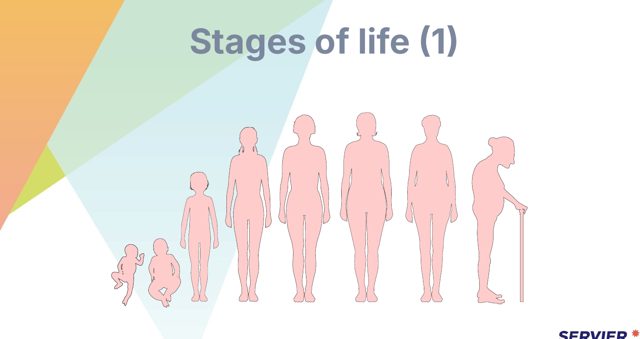
Three perinatal presentations must be distinguished because their URGENCY differs completely.
ثلاثة تظاهرات حول الولادة يجب تمييزها لأن إلحاحها يختلف تماماً.
- Distress appears as IRRITABILITY and ANGER rather than expressed sadness
- As unexplained physical symptoms
- As a drop in school performance or attendance
- As withdrawal from friends, or a change in the friendship group
- And as risk-taking — which is read as behaviour rather than distress
- See him alone for part of the consultation, as a routine
- State confidentiality and its limits BEFORE he tells you anything
- Ask directly about self-harm and suicidal thoughts — the same rule applies
- Ask about online life, which is where much of it happens
- And be alert to exploitation — a large age gap, secrecy, someone controlling the consultation
10.7 · Bipolar Disorder and Acute Mania١٠٫٧ · الاضطراب ثنائي القطب والهوس الحادّ
Mania is a sustained period of abnormally elevated, expansive or IRRITABLE mood with increased energy and activity.
الهوس فترة مستمرّة من مزاج مرتفع أو متوسّع أو متهيّج بشكل شاذّ مع طاقة ونشاط متزايدين.
Nursing care in acute mania is largely about reducing stimulation and protecting the person from the consequences of his own state.
الرعاية التمريضية في الهوس الحادّ تتعلّق في معظمها بتقليل التنبيه وبحماية الشخص من عواقب حالته هو.
- A calm, low-stimulus environment — quiet area, reduced noise and light, few people
- Short, clear, simple communication
- Consistent limits, set calmly and applied by everyone the same way
- Channel the energy — walking, simple physical activity
- Finger foods and drinks he can carry
- Argue with grandiose beliefs — it escalates, and you will not win
- Join in the joking — it feels like rapport and it fuels the state
- Set limits inconsistently — he will find the gap between staff, reliably
- Confront him in front of others
- Put him in a crowded day room
Nutrition and hydration are a genuine PHYSICAL risk in mania and are commonly examined, because he is too active and distractible to sit down and eat, and may lose significant weight and become dehydrated without recognising it. The practical answer: high-calorie finger foods and drinks he can carry and consume while moving, offered frequently — rather than a meal on a tray he will walk past.
التغذية والإماهة خطر بدني حقيقي في الهوس ويُمتحَن فيهما كثيراً، لأنه أنشط وأكثر تشتّتاً من أن يجلس ويأكل، وقد يفقد وزناً كبيراً ويُصاب بالجفاف دون إدراك. والجواب العملي: أطعمة عالية السعرات تُؤكل بالأصابع ومشروبات يحملها ويتناولها وهو يتحرّك، وتُقدَّم باستمرار — بدلاً من وجبة على صينية يتجاوزها دون أن يجلس.
10.8 · Anxiety and Panic١٠٫٨ · القلق والهلع
Anxiety exists on a spectrum, and the LEVEL determines what the nurse can usefully do.
القلق يوجد على طيف والمستوى يحدّد ما تستطيع الممرضة فعله بنفع.
The practical consequence is the examined point: the intervention changes with the level. Explain at mild; redirect at moderate; give short simple direction at severe; and at panic, stay, keep him safe, and say almost nothing. Teaching a panicking person is the classic error.
النتيجة العملية هي النقطة التي يُمتحَن فيها: أن التدخّل يتغيّر بحسب المستوى. يُشرَح في الخفيف، ويُعاد توجيهه في المتوسّط، ويُعطى توجيه بسيط قصير في الشديد؛ وفي الهلع يُبقى مع المريض ويُحفَظ آمناً ويُقال القليل جداً. تعليم الشخص المصاب بالهلع هو الخطأ الكلاسيكي.
A panic attack is an abrupt surge of intense fear reaching a peak within MINUTES, with prominent physical symptoms: palpitations, chest tightness or pain, shortness of breath or choking, dizziness, trembling, sweating, numbness or tingling, and a sense of unreality or of impending death. It is self-limiting — and saying so, once he can hear it, is part of the treatment.
نوبة الهلع اندفاع مفاجئ لخوف شديد يبلغ ذروته خلال دقائق بأعراض بدنية بارزة: خفقان، وضيق أو ألم في الصدر، وضيق نفس أو شعور بالاختناق، ودوار، ورعشة، وتعرّق، وخدر أو تنميل، وإحساس بعدم الواقعية أو بالموت الوشيك. وهي محدودة ذاتياً وقول ذلك حين يستطيع سماعه جزء من العلاج.
10.9 · Reactions to Loss and Stress١٠٫٩ · ردود الفعل على الفقد والكرب
Grief after a death is a NORMAL human response and not an illness. It does not proceed in neat stages, it is not linear, and it has no fixed timetable — people move back and forth, and waves of intense feeling can return long after everyone else has moved on.
الحزن بعد وفاة استجابة إنسانية طبيعية لا مرض. ولا يسير بمراحل مرتّبة وليس خطّياً وبلا جدول زمني ثابت — فالناس يتحرّكون ذهاباً وإياباً وموجات الشعور الشديد قد تعود بعد وقت طويل من تجاوز الآخرين للأمر.
- Be present, listen, and do not rush him
- Use the name of the person who died — people fear it will upset him; the opposite is true
- Let him repeat the story as often as he needs
- Say you are sorry — the sentence people avoid
- And practical help, which is worth more than words
- Offer explanations or silver linings
- ‘It was God’s will’, ‘at least he is not suffering’, ‘you are still young’
- Compare it to your own loss
- Set a timetable — ‘you should be feeling better by now’
- Or change the subject when he cries
The point about explanations: they are offered to relieve the SPEAKER’S discomfort, not the mourner’s — and a bereaved person hears them as being told his grief is unreasonable. Silence and presence ask nothing of him.
النقطة عن التفسيرات: أنها تُعرَض لتخفيف انزعاج المتحدّث لا المفجوع — والمفجوع يسمعها كإخباره بأن حزنه غير معقول. أمّا الصمت والحضور فلا يطلبان منه شيئاً.
An adjustment disorder is an emotional or behavioural reaction out of proportion to an identifiable stressor — a diagnosis, a job loss, a move, a relationship breakdown — causing significant distress or impairment but not meeting the criteria for another disorder. It usually resolves as the person adapts or the stressor passes, and the treatment is largely practical support, problem-solving and time — which makes it one of the few things a general nurse can substantially help with directly.
اضطراب التكيّف ردّ فعل انفعالي أو سلوكي غير متناسب مع مُجهِد محدَّد — تشخيص أو فقد عمل أو انتقال أو انهيار علاقة — يسبّب كرباً أو خللاً كبيراً دون استيفاء معايير اضطراب آخر. يزول عادةً مع تكيّف الشخص أو زوال المُجهِد والعلاج أساساً دعم عملي وحلّ مشكلات ووقت — وهذا ما يجعله من الأمور القليلة التي تستطيع الممرضة العامّة المساعدة فيها مباشرةً وبدرجة كبيرة.
10.10 · Trauma, Bodily Distress and Attention Difficulties١٠٫١٠ · الصدمة والكرب الجسدي وصعوبات الانتباه
An acute stress reaction follows a traumatic event within hours to days and gives a mixture of dazed confusion, anxiety, anger, withdrawal and disturbed sleep. It usually settles within days to a few weeks, and what helps is practical support, safety, rest, information and reconnection with people — not a formal debriefing session, which has been shown not to help and may do harm.
ردّ الفعل الكربي الحادّ يتبع حدثاً صادماً خلال ساعات إلى أيام ويعطي خليطاً من تشوّش مذهول وقلق وغضب وانسحاب واضطراب نوم. يهدأ عادةً خلال أيام إلى أسابيع قليلة، وما يساعد دعم عملي وسلامة وراحة ومعلومات وإعادة تواصل مع الناس — لا جلسة استخلاص رسمية، إذ ثبت أنها لا تساعد وقد تضرّ.
The common thread across all three: the person has usually been told, repeatedly, that nothing is wrong — and has concluded either that he is not believed or that something has been missed. Naming the condition is itself therapeutic, because it replaces ‘you are imagining it’ with an explanation that fits what he is experiencing.
الخيط المشترك عبر الثلاثة: أن الشخص أُخبر عادةً ومراراً بأنه لا يوجد شيء خاطئ — واستنتج إمّا أنه غير مصدَّق أو أن شيئاً أُغفل. وتسمية الحالة علاجية بذاتها لأنها تستبدل «أنت تتخيّل» بتفسير يناسب ما يعيشه.
10.11 · Psychosis and Schizophrenia١٠٫١١ · الذهان والفصام
- Hallucinations — most often auditory
- Delusions — fixed false beliefs not amenable to reasoning
- Thought disorder — disorganised speech and thinking
- Disorganised or bizarre behaviour
- These respond better to antipsychotic medication
- Blunted affect, poverty of speech
- Avolition — loss of drive and motivation
- Social withdrawal, anhedonia
- These respond LESS well to medication
- And they are frequently mistaken for laziness or rudeness — which is the point that matters on a ward
The negative symptoms are the ones that determine long-term function and the ones staff misread: a man who does not speak, does not join in and does not wash is not being difficult — he is displaying the symptom that responds least to treatment.
الأعراض السلبية هي التي تحدّد الوظيفة طويلة الأمد والتي يسيء الطاقم قراءتها: فرجل لا يتكلّم ولا يشارك ولا يغتسل ليس متعنّتاً — بل يُبدي العرَض الأقلّ استجابةً للعلاج.
- Do NOT agree that you hear them — dishonest, and it reinforces the experience
- Do NOT argue that they are not real — he feels disbelieved
- Acknowledge the experience without confirming the content
- ‘I don’t hear anything, but I can see it’s frightening you’
- Then ask what the voices are SAYING — because command hallucinations telling him to harm himself or others are a risk assessment
- Same logic — neither agree nor argue
- A delusion is by definition not amenable to reasoning
- Debating the evidence ENTRENCHES it and damages the relationship
- Acknowledge the FEELING behind it — ‘that must feel very frightening’
- And redirect to something concrete and shared
The command hallucination question is the one most often not asked. ‘What are the voices saying to you?’ is a risk question, and a person experiencing commands to harm himself or someone else will frequently not volunteer it.
سؤال الهلوسة الآمرة هو الأكثر إغفالاً. فـ«ماذا تقول لك الأصوات؟» سؤال لتقييم الخطر ومن يعاني أوامر بإيذاء نفسه أو غيره كثيراً ما لا يتطوّع بها.
10.12 · Treatment Approaches and the Recovery Model١٠٫١٢ · نُهج العلاج ونموذج التعافي
Psychological therapies are EFFECTIVE TREATMENTS, not an optional extra alongside medication.
العلاجات النفسية علاجات فعّالة لا إضافة اختيارية إلى جانب الدواء.
- Records his PREFERENCES while he is well
- Which treatments he prefers or wishes to avoid
- Who should be contacted
- What has helped before, and what makes things worse
- Plus practical matters — who feeds the cat, who collects the children
- His own EARLY WARNING SIGNS, in his words
- Which he knows better than anyone — sleep changes, particular thoughts, withdrawing
- What he will do, and what he wants others to do
- Who to contact, and how
- Written while he is well, because it cannot be written when he is not
10.13 · Interventions the Nurse Delivers١٠٫١٣ · التدخّلات التي تقدّمها الممرضة
Behavioural activation is one of the most effective and most DELIVERABLE interventions for depression, and a nurse can do it.
التنشيط السلوكي هو أحد أكثر التدخلات فعالية للاكتئاب وأكثرها قابليةً للتقديم وتستطيع ممرضة فعله.
Psychoeducation — teaching the person and his family about the condition, the treatment, the expected side effects, what helps and what to watch for — is not an optional adjunct. It reduces relapse and readmission, and it is among the best-evidenced things a nurse does. The reason it works: most non-adherence is not refusal — it is a decision made on incomplete information, and the commonest missing pieces are how long it takes to work, what the side effects will be, and what happens if he stops.
التثقيف النفسي — تعليم الشخص وأسرته بشأن الحالة والعلاج والآثار الجانبية المتوقّعة وما يساعد وما يُراقَب — ليس إضافةً اختيارية. فهو يقلّل الانتكاس وإعادة التنويم وهو من أكثر ما تقوم به الممرضة استناداً إلى الأدلة. السبب: أن معظم عدم الالتزام ليس رفضاً — بل قرار يُتَّخذ على معلومات ناقصة، وأكثر الأجزاء الناقصة شيوعاً هي المدة التي يستغرقها الدواء ليعمل، وما الآثار الجانبية المتوقّعة، وما الذي يحدث إن توقّف عنه.
10.14 · Assessing and Responding to Risk١٠٫١٤ · تقييم الخطر والاستجابة له
The most important thing to know is that asking a person DIRECTLY whether he is having thoughts of suicide does NOT plant the idea and does NOT increase risk. That belief is widespread among staff and it is wrong — and it is the single reason the question most often goes unasked.
أهمّ ما يجب معرفته أن سؤال شخص مباشرةً هل لديه أفكار انتحارية لا يزرع الفكرة ولا يزيد الخطر. ذلك الاعتقاد واسع الانتشار بين الطاقم وهو خاطئ — وهو السبب الوحيد لعدم طرح السؤال غالباً.
A change that must be recognised: a patient who has been withdrawn and severely depressed and who SUDDENLY becomes calm, cheerful, peaceful or settled — particularly if he begins giving away possessions or putting affairs in order. This is not recovery. It can mean a decision has been made and the ambivalence has resolved, and it is escalated urgently, not welcomed with relief.
تغيّر يجب تمييزه: مريض كان منسحباً ومكتئباً بشدّة ثم صار فجأةً هادئاً أو مبتهجاً أو مطمئنّاً أو مستقرّاً — خاصّةً إن بدأ يُهدي ممتلكاته أو يرتّب شؤونه. هذا ليس تعافياً. فقد يعني أن قراراً اتُّخذ وأن التردّد قد زال، ويُصعَّد الأمر عاجلاً ولا يُستقبَل بارتياح.
- Not the same as a suicide attempt, and should not be conflated
- Often to relieve unbearable distress, or to feel something
- Or to communicate what cannot be said
- The intent is usually not to die
- But it IS associated with increased longer-term risk — so it is never dismissed
- Treat the injury properly and without comment on how it happened
- Adequate analgesia — which is routinely withheld, and should not be
- Ask what it did for him, rather than why he did it
- Do not express disgust, disappointment, or make him wait longer
- And assess suicide risk separately — the two coexist
The point that changes practice: a person who self-harms is frequently treated worse than any other patient in the department — longer waits, less analgesia, visible irritation. That response is itself a clinical risk, because it determines whether he comes back the next time, when the intent may be different.
النقطة التي تغيّر الممارسة: أن من يؤذي نفسه كثيراً ما يُعامَل أسوأ من أيّ مريض آخر في القسم — انتظار أطول وتسكين أقلّ وانزعاج ظاهر. تلك الاستجابة خطر سريري بذاتها، فهي تحدّد ما إذا كان سيعود في المرّة القادمة، حين قد يكون القصد مختلفاً.
10.15 · Formulating Risk and Working Safely١٠٫١٥ · صياغة الخطر والعمل بأمان
An important correction: risk is FORMULATED and MANAGED, not PREDICTED. No checklist, score or tool can tell you whether a particular individual will act — and treating a low score as reassurance is a well-documented error.
تصحيح مهمّ: الخطر يُصاغ ويُدبَّر لا يُتنبّأ به. فلا قائمة ولا درجة ولا أداة تُبيّن ما إذا كان فرد بعينه سيتصرّف — ومعاملة درجة منخفضة كطمأنة خطأ موثّق جيّداً.
- The PATIENT responds to YOU as though you were someone else from his life
- A parent, a partner, someone who let him down
- It explains reactions that seem out of proportion to what you said
- It is not about you — and recognising that is what stops you responding to it personally
- YOUR own emotional reaction TO the patient
- Irritation, protectiveness, dread before a shift, wanting to rescue him
- It is normal and it is information — about him, and about you
- It becomes a problem when it is acted on without being noticed
- So supervision and reflection are clinical tools, not indulgences
And the practical consequence for the nurse: notice which patients you avoid, which you spend longest with, and which you dread — because all three are telling you something clinical, and none of it is a character flaw.
والعاقبة العملية للممرضة: أن تلاحظ أيّ المرضى تتجنّب وأيّهم تقضي معه أطول وقت وأيّهم ترهب — فالأمور الثلاثة كلّها تدلّ على شيء سريري ولا شيء منها عيب في الشخصية.
10.16 · Risk to Others, Safeguarding and the Law١٠٫١٦ · الخطر على الآخرين وحماية الضعفاء والقانون
Risk assessment covers harm to OTHERS as well as harm to self, and the second is often not asked about at all.
تقييم الخطر يشمل أذى الآخرين كما يشمل أذى النفس والثاني كثيراً ما لا يُسأل عنه إطلاقاً.
Safeguarding is a legal and professional duty and it applies to EVERY nurse in EVERY setting, not only to specialists. An adult may be at risk because of age, illness, disability, mental disorder or dependence on others — and the risk is frequently from someone in a position of trust.
الحماية واجب قانوني ومهني ينطبق على كلّ ممرضة في كلّ بيئة لا على المتخصّصين فقط. وقد يكون الشخص البالغ معرّضاً للخطر بسبب العمر أو المرض أو الإعاقة أو الاضطراب النفسي أو الاعتماد على الآخرين — وكثيراً ما يأتي الخطر من شخص في موضع ثقة.
- RECOGNISE — notice and take seriously
- ENSURE IMMEDIATE SAFETY
- REPORT — through your service’s route, promptly
- RECORD what you observed and what was said, in his words
- And preserve evidence where relevant
- INVESTIGATE — that is not your role and it damages the process
- Question him repeatedly — each retelling makes the account less usable and is distressing
- Ask leading questions
- Confront the alleged perpetrator
- Or promise to keep it secret — which you cannot
The reason the limits matter: a well-meant investigation by a nurse can make a subsequent formal process impossible, and repeated questioning is itself a harm to the person. Recognise, make safe, report — and let the process that exists do the rest.
سبب أهمّية الحدود: أن تحقيقاً حسن النيّة من ممرضة قد يجعل عمليةً رسمية لاحقة مستحيلة وأن تكرار الاستجواب أذىً بذاته للشخص. فيُتعرَّف على الحالة، وتُؤمَّن السلامة، ويُبلَّغ — ثم تُترَك العملية القائمة لتتولّى الباقي.
10.17 · Practice on the Ward١٠٫١٧ · الممارسة في الجناح
Enhanced observation is a THERAPEUTIC INTERVENTION, not surveillance, and the difference determines whether it helps. Observation carried out as silent watching from a distance is experienced as intrusive and dehumanising, and it does not reduce risk — engagement does.
الملاحظة المكثّفة تدخّل علاجي لا رقابة، والفرق يحدّد ما إذا كانت تساعد. فالملاحظة كمشاهدة صامتة من بعيد تُعاش كاقتحام ونزعٍ للإنسانية ولا تقلّل الخطر — بل الإشراك يقلّله.
Sexual safety on an inpatient unit is a specific responsibility. Patients may be vulnerable through illness, sedation, cognitive impairment or a fear of not being believed, and sexual disinhibition is a recognised feature of mania, some psychoses, dementia and certain medications — which makes it a clinical issue as well as a safeguarding one.
السلامة الجنسية في وحدة المرضى المنوَّمين مسؤولية محدّدة. فقد يكون المرضى عرضةً للأذى بسبب المرض أو التهدئة أو الضعف المعرفي أو الخوف من عدم التصديق. وفقدان الكبح الجنسي سمة معروفة للهوس وبعض الذهانات والخرف وأدوية معيّنة — ممّا يجعله قضية سريرية إضافةً إلى كونه قضية حماية.
- Attention to where people are and who is with whom
- Awareness of who is most vulnerable on the unit today
- Any disclosure taken seriously and reported — through the safeguarding route, not the ward diary
- Believed first, investigated by the proper process
- And the environment reviewed — sightlines, single-sex space, night-time staffing
- WARD ROUNDS are described by patients as intimidating — a room of staff, being discussed rather than spoken with. Prepare him beforehand, ask what he wants raised, and go over it afterwards
- The physical environment matters — noise, light, boredom, and nothing to do are themselves causes of agitation
- And boredom is a clinical problem on a mental health ward, not a comfort issue — most incidents happen in the least structured parts of the day
10.18 · The Three Ds, Records and the Nurse Herself١٠٫١٨ · الحالات الثلاث (الهذيان والخرف والاكتئاب) والسجلّات والممرضة نفسها
Three conditions are confused with one another constantly in older patients, and separating them is a classic examination point.
ثلاث حالات تُخلَط باستمرار في المرضى المسنّين وفصلها نقطة امتحان كلاسيكية.
Patients have a right of access to their own records, subject to limited exceptions — and the practical implication is simple and worth internalising: write everything as though the person will read it, because he may. That single habit removes most of the language problems described earlier, and it improves the accuracy of the record rather than reducing it.
للمرضى حقّ الوصول إلى سجلّاتهم رهناً باستثناءات محدودة — والمعنى العملي بسيط ويستحقّ الاستيعاب: يُكتَب كلّ شيء كأن الشخص سيقرؤه لأنه قد يفعل. وهذه العادة الواحدة تزيل معظم مشكلات اللغة الموصوفة سابقاً، وتحسّن دقّة السجلّ بدلاً من أن تقلّلها.
Finally, and it is left until last only because it is the thing most often left out entirely: YOUR OWN mental health. Rates of stress, burnout and mental illness among nurses are high, and they are highest in exactly the settings covered by this chapter.
وأخيراً — وقد أُخِّرت إلى النهاية فقط لأنها الأمر الأكثر إغفالاً تماماً — صحّة الممرضة النفسية نفسها. فمعدّلات الكرب والاحتراق والمرض النفسي بين الممرضات عالية وهي أعلاها في البيئات التي يغطّيها هذا الفصل بالضبط.
- Exhaustion that rest does not fix
- Becoming cynical or distant from patients — which is a SYMPTOM, not a character change
- Dreading a shift, or a particular patient
- Intrusive replaying of an incident, and disturbed sleep
- And drinking, eating or medicating differently
- Supervision and reflection — clinical tools, not indulgences
- Debrief after incidents, briefly and without blame
- Talking to someone, including professionally
- And recognising that this is OCCUPATIONAL — the response is workload, staffing and support
- Not resilience training for the individual, which places the problem in the wrong person
And the sentence that belongs at the end of a mental health chapter: a nurse who is unwell is not a lesser nurse — and a profession that cannot say that to its own members is not going to convince anyone else.
والجملة التي تنتمي لنهاية فصل صحّة نفسية: أن الممرضة المريضة ليست ممرضةً أقلّ — ومهنة لا تستطيع قول ذلك لأعضائها لن تقنع أحداً آخر.
10.19 · Agitation, Aggression and De-escalation١٠٫١٩ · الهياج والعدوانية وتهدئة التصعيد
Aggression rarely appears without warning. The escalating signs are recognisable and give time to act.
العدوانية نادراً ما تظهر بلا إنذار. والعلامات المتصاعدة قابلة للتمييز وتعطي وقتاً للتصرّف.
- Acknowledge the feeling AND the grievance
- ‘I can see you’re really angry, and I want to understand what’s happened’
- Feeling heard is often the whole intervention
- Offer choices — real ones, however small
- Say what you CAN do, not only what you cannot
- Do not argue, and do not defend the service
- Do not tell him to calm down — the single most reliably escalating sentence there is
- Do not make a promise you cannot keep
- Do not issue a threat or an ultimatum
- And do not take it personally — mostly it is not about you
Restraint — physical, chemical or seclusion — is a LAST RESORT. Used only when there is an immediate risk of serious harm, only when less restrictive measures have failed or are clearly inadequate, using the least restrictive option for the shortest time, properly authorised, continuously observed, reviewed and documented — and followed by a debrief with the patient and with the team. And the prohibitions that matter most: never for staff convenience, never to compensate for short staffing, and never as punishment.
التقييد — بدني أو كيميائي أو عزل — ملاذ أخير. يُستخدَم فقط عند وجود خطر فوري لأذىً خطير، وفقط بعد إخفاق التدابير الأقلّ تقييداً أو عدم كفايتها بوضوح، وبأقلّ الخيارات تقييداً ولأقصر مدّة، ويكون مخوَّلاً حسب الأصول ومراقَباً باستمرار ومُراجَعاً وموثَّقاً، ويعقبه استخلاص للمعلومات مع المريض ومع الفريق. والمحظورات الأهمّ: ألّا يُستخدَم أبداً لراحة الطاقم، ولا للتعويض عن نقص التوظيف، ولا كعقاب.
10.20 · Why People Die in Restraint١٠٫٢٠ · لماذا يموت الناس أثناء التقييد
Deaths during physical restraint often have an unclear, multifactorial cause, in which POSITIONAL (restraint) ASPHYXIA, cardiac arrhythmia and acute behavioural disturbance (with exertion, intoxication or heart disease as contributors) all play a part — in positional asphyxia the person’s ability to breathe is mechanically obstructed.
الوفيات أثناء التقييد البدني كثيراً ما يكون لها سبب غير واضح ومتعدّد العوامل، يسهم فيه الاختناق الوضعي (اختناق التقييد) واضطراب النظم القلبي والاضطراب السلوكي الحادّ (مع الجهد أو التسمّم أو مرض القلب كعوامل مساهمة) — وفي الاختناق الوضعي تكون قدرة الشخص على التنفّس مُعاقة ميكانيكياً.
- ‘I can’t breathe’ is BELIEVED and acted on IMMEDIATELY
- The fact that he can speak does NOT mean he is breathing adequately
- Dismissing it is a documented cause of death
- And if he goes quiet or stops resisting, that is not compliance — it may be collapse
- Obesity, and pre-existing cardiac or respiratory disease
- Intoxication or drug use, particularly stimulants
- Acute behavioural disturbance with extreme exertion
- Prolonged struggle, and being restrained by several people
- And anyone already exhausted, dehydrated or overheated
So the practical additions: continuous observation of colour, breathing and level of consciousness throughout, physical observations as soon as it is safe to take them, the shortest duration possible, and a debrief afterwards with the patient and with the team — because a restraint that nobody reviews is one that will be repeated the same way.
فالإضافات العملية: مراقبة مستمرّة للون والتنفّس ومستوى الوعي طوال الوقت، وقياس العلامات الحيوية بأسرع ما يكون آمناً، وأقصر مدّة ممكنة، وإجراء جلسة استخلاص بعد ذلك مع المريض ومع الفريق — لأنّ تقييداً لا يراجعه أحد هو تقييد سيتكرّر بالطريقة نفسها.
10.21 · Mental Health in the General Hospital١٠٫٢١ · الصحّة النفسية في المستشفى العامّ
Most nurses meet mental health problems not on a psychiatric unit but on a GENERAL WARD — and the commonest is delirium.
معظم الممرضين والممرضات يصادفون مشكلات الصحّة النفسية لا في وحدة نفسية بل في جناح عامّ — والأشيع الهذيان.
- ACUTE onset, over hours to days
- FLUCTUATES through the day — worse in the evening
- Attention is impaired — the cardinal feature
- Usually REVERSIBLE once the cause is treated
- And the HYPOactive form — quiet, withdrawn, drowsy — is common (in many settings the commonest, especially in older and palliative patients) and the most often missed
- GRADUAL onset, over months to years
- Stable from day to day
- Memory impaired; attention relatively preserved early
- Progressive and not reversible
- And a person with dementia can develop delirium on top — which is the situation most often missed of all
The point that matters: look for the CAUSE rather than treating the behaviour — infection, pain, constipation, urinary retention, hypoxia, medication, dehydration, electrolytes and withdrawal. And a hypoactive delirium looks like a settled patient, which is why it is the one most often missed.
النقطة المهمّة: يُبحث عن السبب بدلاً من معالجة السلوك — عدوى أو ألم أو إمساك أو احتباس بولي أو نقص أكسجة أو دواء أو جفاف أو شوارد أو انسحاب. والهذيان ناقص النشاط يبدو كمريض مستقرّ هادئ، ولهذا فهو الأكثر إغفالاً.
10.22 · Mental Health in the Emergency Department١٠٫٢٢ · الصحّة النفسية في قسم الطوارئ
The phrase ‘medically clear’ is one of the most dangerous in emergency practice, because it is used to mean two different things: ‘no physical illness has been found’ and ‘there is nothing more for us to do here’ — and the second is not a clinical statement.
عبارة «خالٍ طبّياً» من أخطر العبارات في الممارسة الإسعافية فهي تُستخدَم لتعني شيئين مختلفين: «لم يُوجَد مرض بدني» و«لا شيء أكثر لنفعله هنا» — والثاني ليس عبارة سريرية.
Prioritising when several patients need attention at once follows the same order as anywhere in nursing: immediate threats to airway, breathing and circulation come first — including an overdose, a serious self-inflicted injury, or the physical consequences of restraint. Then immediate risk of serious harm to himself or others. Then acute distress. And the person in a corridor who has gone quiet is reassessed, not left, because quiet is not the same as settled — which is the recurring lesson of this whole chapter.
ترتيب الأولويات حين يحتاج عدّة مرضى الانتباه معاً يتبع الترتيب نفسه المتّبع في أي موضع آخر من التمريض: التهديدات الفورية للمجرى الهوائي والتنفّس والدوران أولاً — بما فيها جرعة زائدة أو إصابة ذاتية خطيرة أو العواقب البدنية للتقييد. ثم خطر الأذى الخطير الفوري على الشخص نفسه أو على الآخرين ثم الكرب الحادّ. ومن صمت في الممرّ يُعاد تقييمه ولا يُترك، لأن الصمت ليس هو الاستقرار — وهذا هو الدرس المتكرّر في هذا الفصل كلّه.
10.23 · Presentations Needing Particular Care١٠٫٢٣ · تظاهرات تحتاج عناية خاصّة
Personality disorder describes enduring patterns of thinking, feeling and relating that differ markedly from expectation and cause real distress and difficulty. The presentation most often met in general and emergency settings involves intense and unstable relationships, a fragile sense of self, marked emotional instability, impulsivity, fear of abandonment, and self-harm.
اضطراب الشخصية يصف أنماطاً دائمة من التفكير والشعور وإقامة العلاقات تختلف بوضوح عن المتوقّع وتسبّب كرباً وصعوبةً حقيقيّين. والتظاهر الأكثر مصادفةً في البيئات العامّة والإسعافية يشمل علاقات مكثّفة غير مستقرّة وإحساس هشّ بالذات وعدم استقرار انفعالي واندفاعية وخوف من الهجر وإيذاء الذات.
A person with a learning disability or autism needs REASONABLE ADJUSTMENTS, and failing to make them is a recognised cause of avoidable harm.
الشخص ذو الإعاقة الذهنية أو التوحّد يحتاج تعديلات معقولة، والإخفاق في إجرائها سبب معروف لأذى قابل للتجنّب.
Dual diagnosis — a mental illness occurring alongside substance use — is common, and the historically damaging response was for each service to send the person to the other first. Both are treated TOGETHER, and the substance use is not a reason to refuse mental health care — nor is the mental illness a reason to refuse substance treatment. The person who falls between two services is the one who is not treated at all.
التشخيص المزدوج — مرض نفسي مع تعاطي مواد — شائع والاستجابة الضارّة تاريخياً كانت أن ترسل كلّ خدمة الشخص للأخرى أولاً. وكلاهما يُعالَج معاً والتعاطي ليس سبباً لرفض رعاية نفسية، كما أنّ المرض النفسي ليس سبباً لرفض علاج التعاطي. فمن يقع بين خدمتين هو من لا يُعالَج إطلاقاً.
10.24 · Capacity, Consent and Least Restrictive Practice١٠٫٢٤ · الأهلية والموافقة والممارسة الأقلّ تقييداً
A psychiatric diagnosis does NOT by itself mean a person lacks capacity, and this is the single most important legal point in this chapter.
التشخيص النفسي بذاته لا يعني أن الشخص يفتقر للأهلية، وهذه أهمّ نقطة قانونية منفردة في هذا الفصل.
And the consequence people find hardest: a person WITH capacity may make a decision others consider unwise — an unwise decision is not evidence of incapacity. Capacity is about the process of deciding, not the outcome.
والنتيجة التي يجدها الناس أشدّ صعوبةً: أن من يملك الأهلية قد يتّخذ قراراً يعدّه غيره غير حكيم — والقرار غير الحكيم ليس دليلاً على انعدام الأهلية. فالأهلية تتعلّق بعملية اتّخاذ القرار لا بنتيجته.
Documentation of risk is a CLINICAL ACT, not paperwork.
توثيق الخطر فعل سريري لا عمل ورقي.
- What he actually SAID, in his words where possible
- What you ASSESSED, including the questions you asked
- What you DID, and what was agreed
- Who you told, and when
- And the plan, with the observation level
- ‘Denies suicidal ideation’ — conveys nothing about what was asked or how
- ‘Settled’ / ‘no concerns’ — the two least informative entries in nursing
- ‘Attention-seeking’ — a judgement, and a harmful one
- Your interpretation in place of the observation
- Or a blank, which reads as nobody having looked
The nurse’s duty of care in this field includes acting on what you notice even when it is not your area, escalating when you are worried and being PERSISTENT if you are not heard, and not passing responsibility on because someone seems difficult or because ‘the psychiatric team are coming’. And it includes knowing that a person waiting for a mental health assessment is your patient in the meantime — which is the point at which most of the harm in a general setting happens.
واجب الرعاية لدى الممرّض في هذا المجال يشمل التصرّف بناءً على ما يُلاحَظ حتى لو لم يكن ضمن مجال الاختصاص، والتصعيد عند القلق، والإلحاح إذا لم يُصغَ إلى ما يُقال، وعدم تمرير المسؤولية لأن أحداً يبدو صعباً أو لأن «الفريق النفسي قادم». ويشمل معرفة أن من ينتظر تقييماً نفسياً مريض في عهدة التمريض في الأثناء — وهي اللحظة التي يقع فيها معظم الأذى في البيئات العامّة.
10.25 · Decisions, Refusal and Covert Treatment١٠٫٢٥ · القرارات والرفض والعلاج الخفي
Where a person lacks capacity for a PARTICULAR decision, that decision is made in his BEST INTERESTS — and best interests has a defined meaning that is frequently misunderstood. It does NOT mean what the clinician thinks is medically best.
حيث يفتقر شخص للأهلية لقرار بعينه يُتّخذ ذلك القرار بمصلحته الفضلى — وللمصلحة الفضلى معنى محدَّد يُساء فهمه كثيراً. فهي لا تعني ما يظنّه الممارس أفضل طبّياً.
A person with a mental illness may refuse treatment for a PHYSICAL condition, and this is where the earlier principle becomes concrete. Having a psychiatric diagnosis does not remove capacity — so capacity for THAT decision is assessed, and if he has it, his refusal stands, however unwise it appears. And note the point people find hardest: detention under mental health legislation authorises treatment for the MENTAL disorder — it does not authorise treating an unrelated physical condition without consent.
الشخص المصاب بمرض نفسي قد يرفض علاج حالة بدنية، وهنا يصير المبدأ السابق ملموساً. فوجود تشخيص نفسي لا يُزيل الأهلية — فتُقيَّم الأهلية لذلك القرار، فإن كانت لديه فرفضه نافذ مهما بدا غير حكيم. وتجدر ملاحظة أن أصعب ما في الأمر على الناس أن الاحتجاز بموجب تشريعات الصحّة النفسية يجيز علاج الاضطراب النفسي، ولا يجيز علاج حالة بدنية غير مرتبطة به دون موافقة.
- Is entitled to do so — and this is different from absconding
- Talk with him and find out WHY — the reason is usually addressable
- Explain the risks specifically, not as a general warning
- Offer alternatives — leave, a phone call, a shorter stay, coming back tomorrow
- And if he still goes, that is his decision — recorded, with a plan and a follow-up
- If there is a risk to himself or others AND he lacks capacity or meets the legal criteria
- Then the legal framework is used — properly, by authorised people
- Not an informal decision to stop him at the door
- Preventing a voluntary patient from leaving without legal authority is unlawful detention
- So know your service’s process before you need it
10.26 · Carers, Care Plans and Continuity١٠٫٢٦ · مقدّمو الرعاية وخطط الرعاية والاستمرارية
Carers of people with mental illness carry a heavy and largely INVISIBLE load, and they are frequently the reason the person manages at home at all. They often have no information, because confidentiality is applied bluntly rather than thoughtfully.
مقدّمو الرعاية للأشخاص المصابين بمرض نفسي يحملون عبئاً ثقيلاً وغير مرئي إلى حدّ بعيد وهم غالباً سبب قدرة الشخص على تدبّر أمره في المنزل أصلاً. وكثيراً ما لا معلومات لديهم لأن السرّية تُطبَّق بصورة جامدة لا بتروٍّ.
A care plan in mental health is written WITH the person rather than ABOUT him, and that distinction is the whole point. It records what he wants to achieve in his own words, what has helped and what has not, his early warning signs, who to contact, and what he wants to happen if he becomes unwell. A plan he has never seen is a document about a stranger.
خطة الرعاية في الصحّة النفسية تُكتَب مع الشخص لا عنه وذلك التمييز هو المقصد كلّه. وتسجّل ما يريد تحقيقه بكلماته وما ساعد وما لم يساعد وعلاماته المنذرة المبكّرة وبمن يُتّصل، وما يريد أن يحدث إذا ساءت حالته. والخطة التي لم يرها الشخص قطّ هي وثيقة عن غريب.
The practical additions: a follow-up contact within days rather than weeks; a named person and a number that is answered; medication supplied and understood; the crisis plan given in writing; and someone told he is coming home. And a missed first appointment after discharge is chased the same day — it is a clinical finding, not an administrative one.
الإضافات العملية: تواصل متابعة خلال أيام لا أسابيع؛ وشخص مسمّى ورقم يُردّ عليه؛ ودواء مُوَفَّر ومفهوم؛ وخطة الأزمة مكتوبة؛ وإبلاغ شخص ما بأنه عائد إلى المنزل. والموعد الأول الفائت بعد الخروج يُلاحَق في اليوم نفسه — فهو موجودة سريرية لا إدارية.
10.27 · Where Care Happens and Who Provides It١٠٫٢٧ · أين تحدث الرعاية ومن يقدّمها
Most mental health care does NOT happen in hospital. Primary care is where the majority of common mental health problems are recognised and treated — which is why the nurse working there is often the first and sometimes the only professional a person tells.
معظم رعاية الصحّة النفسية لا تحدث في المستشفى. فالرعاية الأوّلية حيث يُتعرَّف إلى أغلبية مشكلات الصحّة النفسية الشائعة وتُعالَج — ولهذا الممرّض أو الممرّضة العاملة هناك غالباً أول مهني يخبره الشخص بمشكلته وأحياناً الوحيد.
Work matters CLINICALLY. Employment provides income, structure, purpose, identity and social contact, and unemployment is both a consequence AND a cause of poor mental health. Many people with even severe mental illness can and want to work, and the assumption that they cannot is itself a barrier — so ask about work as you would ask about anything else in the history, and refer to whatever vocational support exists rather than treating employment as something to consider once he is better.
العمل يهمّ سريرياً. فالتوظيف يوفّر دخلاً وإطاراً منظِّماً للحياة وغايةً وهويّةً وتواصلاً اجتماعياً والبطالة عاقبة وسبب لسوء الصحّة النفسية معاً. وكثيرون حتى بمرض نفسي شديد يستطيعون العمل ويريدونه وافتراض عجزهم عائق بذاته — ولذلك يُسأل عن العمل كما يُسأل عن أي شيء آخر في التاريخ المرضي، ويُحال إلى ما يتوافر من دعم التأهيل المهني بدل اعتبار التوظيف أمراً يُنظَر فيه بعد التحسّن.
10.28 · Mental Health in the Saudi Setting١٠٫٢٨ · الصحّة النفسية في السياق السعودي
Stigma is the dominant barrier to help-seeking here as in most places, and it takes particular forms worth understanding.
الوصم هو العائق المهيمن أمام طلب المساعدة هنا كما في معظم الأماكن ويأخذ أشكالاً خاصّة تستحقّ الفهم.
The family occupies a central and generally supportive role, and involving them is usually right and expected. But two things need care.
الأسرة تحتلّ دوراً مركزياً وداعماً عموماً وإشراكها صواب ومتوقَّع عادةً. لكن أمرين يحتاجان عناية.
- Practical and emotional support that is real and sustained
- Someone who notices a change early
- Help with medication, appointments and daily life
- And a network that does not withdraw — which is a genuine clinical advantage
- The patient’s own consent and confidentiality still govern what is shared — an adult decides what his family are told
- Ask HIM, privately, what he wants shared — and follow his answer
- And the family may not always be a safe space
- Coercion, control and abuse exist in every society
- So see him alone as a routine, so that doing so is never itself a signal
Religious and spiritual coping is central for many people here, and it is a STRENGTH to work WITH rather than something to work around. Prayer, reading Qur’an, patience and trust in God’s decree, and the support of the religious community are widely used and genuinely effective sources of meaning and comfort.
التأقلم الديني والروحي مركزي لكثيرين هنا وهو قوّة يُعمَل معها لا شيء يُلتَفّ حوله. فالصلاة وقراءة القرآن والصبر والثقة بقضاء الله ودعم المجتمع الديني مصادر معنىً وسلوان مستخدَمة على نطاق واسع وفعّالة فعلاً.
Mental health services in the Kingdom have expanded substantially, with mental health identified as a priority within the national health transformation, more integration into primary care, and telephone and digital services alongside the specialist hospitals. So a nurse who identifies a problem has somewhere to refer to — and saying that plainly is often the most useful thing in the conversation, because the assumption that nothing can be done is itself a barrier.
خدمات الصحّة النفسية في المملكة توسّعت جوهرياً مع تحديد الصحّة النفسية أولويةً ضمن التحوّل الصحّي الوطني وتكامل أكبر مع الرعاية الأوّلية وخدمات هاتفية ورقمية إلى جانب المستشفيات المتخصّصة. فالممرّض الذي يحدّد مشكلةً لديه جهة يحيل إليها — وقول ذلك بوضوح غالباً أنفع شيء في الحديث، لأن افتراض أنه لا يمكن فعل شيء هو بحدّ ذاته عائق.
10.29 · Physical Health, Migrant Workers and Staff Safety١٠٫٢٩ · الصحّة البدنية والعمالة الوافدة وسلامة الطاقم
People with serious mental illness die on average SUBSTANTIALLY EARLIER than the general population, and the great majority of that gap is from PREVENTABLE PHYSICAL ILLNESS — cardiovascular disease, diabetes, respiratory disease and cancer.
أصحاب المرض النفسي الشديد يموتون في المتوسّط أبكر جوهرياً من عموم السكّان والأغلبية العظمى من تلك الفجوة ناجمة عن مرض بدني قابل للمنع — أمراض القلب والأوعية والسكري وأمراض الجهاز التنفسي والسرطان.
Smoking deserves its own mention because the prevalence in people with serious mental illness is far higher than in the general population, and it is the single largest contributor to the mortality gap. Two corrections: stopping smoking does NOT worsen mental health — the evidence points the other way — and stopping changes the metabolism of some psychiatric drugs, notably clozapine, whose level RISES when smoking stops. So offer cessation support as you would to anyone, and flag the clozapine interaction when it happens.
التدخين يستحقّ ذكره الخاصّ فانتشاره لدى أصحاب المرض النفسي الشديد أعلى بكثير وهو أكبر مساهم منفرد في فجوة الوفيات. وتصحيحان: أن الإقلاع لا يسوّئ الصحّة النفسية — فالأدلة تشير إلى عكس ذلك — وأن الإقلاع يغيّر استقلاب بعض الأدوية النفسية خاصّةً الكلوزابين الذي يرتفع مستواه عند التوقّف عن التدخين. ولذلك يُعرَض دعم الإقلاع كما يُعرَض على أي شخص، ويُنبَّه إلى تداخل الكلوزابين عند حدوثه.
10.30 · People Easily Excluded, and Learning From What Goes Wrong١٠٫٣٠ · من يسهل استبعادهم والتعلّم ممّا يسير على نحو خاطئ
Some groups are systematically under-served, and recognising WHY is what allows a nurse to compensate.
بعض الفئات تُقدَّم لها خدمات أقلّ من حاجتها بصورة منهجية، وإدراك السبب هو ما يتيح للتمريض أن يعوّض.
Incident reporting is how services learn, and it only works in a culture where reporting is SAFE. Report every incident through the local system — violence, self-harm, a medication error, a fall, an absconsion, a near miss — and note the point from Part 04: a rising number of reports usually means people are reporting, not that things are getting worse. A ward with no incident reports is a silent ward, not a safe one.
الإبلاغ عن الحوادث هو الطريقة التي تتعلّم بها الخدمات ولا ينجح إلا في ثقافة يكون فيها الإبلاغ آمناً. يُبلَّغ عن كل حادث عبر النظام المحلّي — عنف، أو إيذاء الذات، أو خطأ دوائي، أو سقوط، أو هروب من المنشأة، أو حادث وشيك — ويُلاحَظ ما ورد في الجزء الرابع: أن ارتفاع عدد البلاغات يعني عادةً أن الناس يبلّغون لا أن الأمور تسوء. والجناح الذي لا توجد فيه بلاغات حوادث جناح صامت لا جناح آمن.
- Accept or send friend or follow requests from patients or former patients
- Look up a patient on social media — including ‘just to check he is safe’
- Message a patient from a personal account or number
- Post anything about work that could identify a patient — including a detail you think is anonymous
- Or discuss a case in a group chat, which is the commonest breach there is
- Keep your own accounts private, and assume anything posted is public
- Use work systems for work communication, always
- Tell someone if a patient contacts you privately — rather than handling it alone
- Report a breach you notice, including your own
- And remember that a boundary crossed with good intentions is still crossed
The reason digital boundaries are given their own section: they are where boundaries are most often crossed WITHOUT anyone intending it. Nobody sets out to breach confidentiality in a group chat or to blur a therapeutic relationship by accepting a follow request — which is exactly why the rule has to be absolute rather than judged case by case.
سبب إفراد الحدود الرقمية بقسم: أنها حيث تُتجاوَز الحدود غالباً دون أن يقصد أحد. فلا أحد ينوي خرق السرّية في محادثة جماعية ولا طمس العلاقة العلاجية بقبول طلب متابعة — ولهذا يجب أن تكون القاعدة قطعيةً لا مُقيَّمةً حالةً بحالة.
Test yourselfالاختبار الذاتي
Loading… جارٍ التحميل…
Loading… جارٍ التحميل…
Loading… جارٍ التحميل…