
The Nursing Process, Prioritisation & Documentation
In this chapterفي هذا الفصل
Key terms (12)المصطلحات الأساسية
Chapter outline (24 sections)مخطط الفصل
- Learning Objectivesأهداف التعلّم
- 2.1 · The Nursing Process: ADPIE٢٫١ · العملية التمريضية: ADPIE
- 2.2 · Assessment: Types and Sources٢٫٢ · التقييم: أنواعه ومصادره
- 2.3 · Subjective Data, Objective Data, and Inference٢٫٣ · البيانات الذاتية والموضوعية والاستنتاج
- 2.4 · Writing the Nursing Diagnosis٢٫٤ · كتابة التشخيص التمريضي
- 2.5 · Nursing, Medical and Collaborative Problems٢٫٥ · المشكلات التمريضية والطبية والتعاونية
- 2.6 · Planning: Goals and Expected Outcomes٢٫٦ · التخطيط: الأهداف والنتائج المتوقّعة
- 2.7 · Prioritising: The Three Rules٢٫٧ · ترتيب الأولويات: القواعد الثلاث
- 2.8 · Deciding Who to See First٢٫٨ · تحديد من يجب رؤيته أولاً
- 2.9 · Implementation٢٫٩ · التنفيذ
- 2.10 · Evaluation٢٫١٠ · تقييم النتائج
- 2.11 · Organising the Shift٢٫١١ · تنظيم المناوبة
- 2.12 · Handover and SBAR٢٫١٢ · التسليم وأسلوب SBAR
- 2.13 · Verbal and Telephone Orders٢٫١٣ · الأوامر الشفهية والهاتفية
- 2.14 · Documentation Formats٢٫١٤ · صيغ التوثيق
- 2.15 · Charting Principles and the Electronic Record٢٫١٥ · مبادئ التدوين والسجلّ الإلكتروني
- 2.16 · Clinical Judgment: From Cues to Action٢٫١٦ · الحكم السريري: من الدليل إلى الفعل
- 2.17 · Frameworks for Organising Assessment٢٫١٧ · أطر تنظيم التقييم
- 2.18 · Standardised Nursing Languages٢٫١٨ · اللغات التمريضية المعيارية
- 2.19 · Triage and Disaster Prioritisation٢٫١٩ · الفرز وترتيب أولويات الكوارث
- 2.20 · Transfer, Discharge and Medication Reconciliation٢٫٢٠ · النقل والخروج ومطابقة الأدوية
- 2.21 · Working Safely in the Electronic Record٢٫٢١ · العمل الآمن في السجلّ الإلكتروني
- 2.22 · Patient Safety Goals and the Saudi Framework٢٫٢٢ · أهداف سلامة المرضى والإطار السعودي
- 2.23 · Incidents, Just Culture and Learning٢٫٢٣ · الحوادث وثقافة الإنصاف والتعلّم
Start learningبدء التعلّم Learning objectivesأهداف التعلّم Test yourselfالاختبار الذاتي
Learning Objectivesأهداف التعلّم
2.1 · The Nursing Process: ADPIE٢٫١ · العملية التمريضية: ADPIE
It is a cycle, not a checklist. Evaluation feeds straight back into assessment: a goal that is met closes a problem and frees attention for the next one, and a goal that is not met sends you back to look for what you missed. In practice the steps overlap — you are assessing while you implement, and evaluating while you assess.
هي دورة لا قائمة تحقّق. فتقييم النتائج يعود مباشرةً إلى التقييم: الهدف المتحقّق يُغلق مشكلة ويحرّر الانتباه لما بعدها، والهدف غير المتحقّق يستدعي العودة للبحث عمّا فات. وفي الواقع تتداخل الخطوات — فيجري التقييم أثناء التنفيذ، ويجري تقييم النتائج أثناء التقييم.
2.2 · Assessment: Types and Sources٢٫٢ · التقييم: أنواعه ومصادره
- The PATIENT — alwaysالمريض — دائماً
- His own account of his own experienceروايته الخاصة عن تجربته هو
- Ranked above every other sourceتُرتَّب فوق أيّ مصدر آخر
- Even when the family disagrees with himحتى لو خالفته الأسرة الرأي
- Family, other staff, existing recordsالأسرة والطاقم الآخر والسجلات الموجودة
- Useful and used constantlyمفيدة ومستخدَمة باستمرار
- But ranked BELOW the patient’s own accountلكنها تُرتَّب دون رواية المريض نفسه
- The ranking matters most when the accounts DISAGREEالترتيب يهمّ أكثر ما يهمّ حين تتعارض الروايات
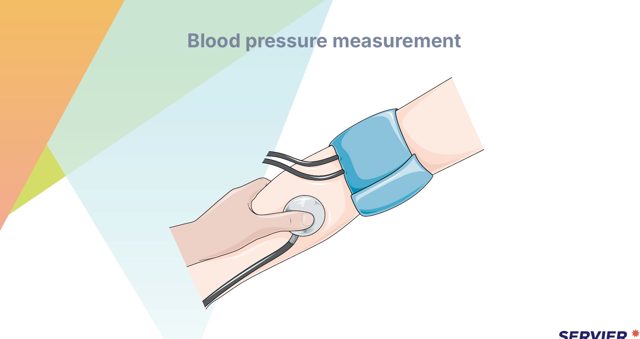
Data that does not FIT the clinical picture is VALIDATED before it is acted on. A blood pressure of 200/110 in a comfortable, chatting patient is REPEATED with the correct cuff before anyone gives a drug or makes a call — and a wrong cuff size is a common reason for a false reading.
البيانات التي لا تلائم الصورة السريرية يُتحقَّق منها قبل التصرّف بناءً عليها. فضغط الدم ٢٠٠/١١٠ في مريض مرتاح يتحدّث يُعاد بالكُفّة الصحيحة قبل أن يعطي أحد دواءً أو يُجري اتصالاً، ومقاس الكُفّة الخاطئ سبب شائع للقراءة الخاطئة.
The patient is always the primary source. Family, other staff and existing records are secondary sources — useful, used constantly, but ranked below the patient's own account. The distinction matters most when the accounts disagree.
المريض هو المصدر الأوّلي دائماً. أما الأسرة وبقية الطاقم والسجلات الموجودة فمصادر ثانوية — مفيدة وتُستخدم باستمرار، لكنها دون رواية المريض نفسه في الترتيب. ويظهر أثر التمييز أوضح ما يكون حين تتعارض الروايات.
2.3 · Subjective Data, Objective Data, and Inference٢٫٣ · البيانات الذاتية والموضوعية والاستنتاج
- What ONLY the patient can know and reportما لا يعرفه ويُبلغ عنه إلا المريض نفسه
- Pain, nausea, dizziness, fearالألم والغثيان والدوخة والخوف
- Recorded in his OWN WORDS, in quotation marksيُسجَّل بكلماته الخاصة، بين علامتَي اقتباس
- You cannot verify it — and you do not need toلا يمكن التحقّق منه — ولا حاجة لذلك
- What YOU can measure or observeما يمكن قياسه أو ملاحظته
- A pulse of 112; a wound 3 cm acrossنبض 112؛ جرح قطره 3 سم
- A grimace when the abdomen is touchedتكشيرة عند لمس البطن
- Another nurse would record the same thingممرضة أخرى ستُسجّل الشيء نفسه
A cue is what you saw; an inference is what you concluded from it. "Appears anxious" is an inference. "Pacing the bay, wringing his hands, pulse 104, says he cannot stop thinking about tomorrow" is the cue set that supports it. Charting the inference alone hides the evidence and cannot be checked by anyone else.
الدليل هو ما شوهد؛ والاستنتاج هو ما خُلص إليه منه. فعبارة «يبدو قلقاً» استنتاج. أما «يذرع القسم جيئةً وذهاباً، ويفرك يديه، نبضه ١٠٤، ويقول إنه لا يستطيع التوقّف عن التفكير في الغد» فهي مجموعة الأدلّة التي تسنده. وتدوين الاستنتاج وحده يُخفي الدليل ولا يستطيع أحد آخر التحقّق منه.
2.4 · Writing the Nursing Diagnosis٢٫٤ · كتابة التشخيص التمريضي
A risk diagnosis has only two parts — problem and risk factors — because there is no evidence yet: "Risk for falls related to sedation and an unfamiliar environment." You cannot write "evidenced by" for something that has not happened.
تشخيص الخطر من جزأين فقط — المشكلة وعوامل الخطر — لأنه لا دليل بعد: «خطر السقوط مرتبط بالتهدئة وبيئة غير مألوفة». فلا يمكن كتابة «يتجلّى بـ» لشيء لم يحدث.
Four ways it goes wrong: writing a medical description instead of a response; making the statement circular, where the related factor repeats the evidence; naming a nursing action as the cause; and blaming staff or the patient instead of naming a clinical factor.
أربع طرق للخطأ فيه: كتابة وصف طبي بدل استجابة؛ وجعل العبارة دائرية بحيث يكرّر العامل المرتبط الدليل؛ وتسمية إجراء تمريضي سبباً؛ ولوم الطاقم أو المريض بدل تسمية عامل سريري.
2.5 · Nursing, Medical and Collaborative Problems٢٫٥ · المشكلات التمريضية والطبية والتعاونية
- Names the DISEASEيُسمّي المرض
- Pneumonia; ischaemic stroke; atrial fibrillationالتهاب رئوي؛ سكتة دماغية إقفارية؛ رجفان أذيني
- Made by the PHYSICIANيضعه الطبيب
- Does NOT change through the admissionلا يتغيّر طوال فترة الدخول
- Names the patient’s RESPONSE to itيُسمّي استجابة المريض له
- Impaired gas exchange; activity intolerance; anxietyاختلال تبادل الغازات؛ عدم تحمّل النشاط؛ القلق
- Made by the NURSEتضعه الممرضة
- CHANGES as the patient changes — which is why it is reviewedيتغيّر مع تغيّر المريض — ولهذا يُراجَع
A COLLABORATIVE problem sits between the two: a physiological complication the nurse MONITORS to detect early and MANAGES JOINTLY with medical orders — falling potassium on a diuretic, rising intracranial pressure, post-operative haemorrhage. The distinguishing feature: the nurse cannot prevent or treat it independently, but she is the one who DETECTS it, which is why monitoring is the intervention.
المشكلة التعاونية تقع بينهما: مضاعفة فسيولوجية تراقبها الممرضة لكشفها مبكّراً وتتولّى تدبيرها بالاشتراك مع الأوامر الطبّية — مثل انخفاض البوتاسيوم عند استعمال مدرّ للبول، وارتفاع الضغط داخل القحف، والنزف بعد الجراحة. والسمة المميّزة: أن الممرضة لا تستطيع منعها أو علاجها مستقلّةً لكنها من يكشفها، ولهذا فالمراقبة هي التدخّل.
2.6 · Planning: Goals and Expected Outcomes٢٫٦ · التخطيط: الأهداف والنتائج المتوقّعة
- ‘The patient will walk 20 metres with a frame by day three’«سيمشي المريض 20 متراً بمشّاية بحلول اليوم الثالث»
- It is what HE will doإنّه ما سيفعله هو
- Measurable, and observable by anyoneقابل للقياس، وقابل للملاحظة من أيّ شخص
- This is the goalهذا هو الهدف
- ‘The nurse will mobilise the patient twice daily’«ستُحرّك الممرضة المريض مرّتين يومياً»
- It is what YOU will doإنّه ما ستفعله الممرضة نفسها
- It belongs in the plan, not in the goalينتمي إلى خطّة الرعاية، لا إلى الهدف
- Confusing the two is the most frequent error in this sectionالخلط بينهما هو الخطأ الأكثر شيوعاً في هذا الباب
SHORT-term goals are reached in hours to days and step towards LONG-term goals that may run past discharge. Both are set WITH the patient — a goal he did not agree to is a goal he will not work towards. And a standardised care plan is a STARTING POINT that must then be INDIVIDUALISED — for this patient, with these resources, and this home to go back to.
الأهداف قصيرة المدى تُبلَغ خلال ساعات إلى أيام وتشكّل خطوات نحو أهداف طويلة المدى قد تمتدّ إلى ما بعد الخروج. وكلاهما يُوضَع مع المريض — فالهدف الذي لم يوافق عليه لن يسعى إلى تحقيقه. وخطة الرعاية المعيارية نقطة بداية يجب تفريدها — لهذا المريض، وبهذه الموارد، وللبيت الذي سيعود إليه.
Every goal should be specific, measurable, achievable, realistic and time-bound. Verbs like understand, know, appreciate and feel cannot be measured — replace them with something you can see the patient do: state, demonstrate, walk, list, self-administer.
كلّ هدف ينبغي أن يكون محدّداً وقابلاً للقياس وللتحقيق وواقعياً ومحدّد الزمن. وأفعال مثل يفهم ويعرف ويقدّر ويشعر لا يمكن قياسها — يُستعاض عنها بشيء يمكن رؤية المريض يفعله: يذكر، يُظهر، يمشي، يعدّد، يعطي نفسه الدواء.
2.7 · Prioritising: The Three Rules٢٫٧ · ترتيب الأولويات: القواعد الثلاث
Rule two — actual before potential. A problem that is happening now outranks a risk that is being managed. New confusion with a respiratory rate of 30 outranks three patients who are merely at risk of falling, infection or pressure injury.
القاعدة الثانية — الفعلي قبل المحتمل. فالمشكلة الواقعة الآن تتقدّم على خطر يُدبَّر. والتشوّش الجديد مع معدّل تنفّس ٣٠ يتقدّم على ثلاثة مرضى معرّضين فقط لخطر السقوط أو العدوى أو إصابات الضغط.
Rule three — unexpected before expected. Serosanguineous drainage on day one after surgery is expected; a rigid, silent abdomen on day four is not. Learn the normal course of each condition, because that is what lets you recognise the deviation.
القاعدة الثالثة — غير المتوقّع قبل المتوقّع. فالإفراز المصلي الدموي في اليوم الأول بعد الجراحة متوقّع؛ أما البطن المتيبّس الصامت في اليوم الرابع فلا. ينبغي تعلّم المسار الطبيعي لكلّ حالة، فهو ما يمكّن من تمييز الانحراف.
Maslow sits underneath all three: physiological needs, then safety, then belonging, then esteem, then self-actualisation. It settles the four-call-bells question — breathlessness before a request to move beds, and both before a question about the ward round.
ويقع هرم ماسلو تحت هذه القواعد الثلاث: الحاجات الفسيولوجية، ثم الأمان، ثم الانتماء، ثم التقدير، ثم تحقيق الذات. وهو يحسم مسألة الأجراس الأربعة — ضيق النفس قبل طلب تغيير سرير، وكلاهما قبل سؤال عن موعد المرور.
2.8 · Deciding Who to See First٢٫٨ · تحديد من يجب رؤيته أولاً
Exam questions and real shifts both hand you FOUR PATIENTS AT ONCE. Work through them in the SAME ORDER every time.
أسئلة الامتحان والمناوبات الحقيقية تقدّم أربعة مرضى معاً. ويُتّبع الترتيب نفسه في كلّ مرّة.
Some findings should move you immediately whatever else is happening: stridor or a change in voice, a falling conscious level with vomiting, throat tightness after neck surgery, a rigid abdomen, new confusion with tachypnoea, chest pain with sweating, and unilateral calf pain with swelling and warmth.
بعض الموجودات تستوجب التحرّك فوراً مهما جرى غيرها: الصرير أو تغيّر الصوت، وانخفاض الوعي مع التقيّؤ، وضيق الحلق بعد جراحة الرقبة، والبطن المتيبّس، والتشوّش الجديد مع تسرّع التنفّس، وألم الصدر مع التعرّق، وألم أحادي الجانب في الساق مع تورّم ودفء.
2.9 · Implementation٢٫٩ · التنفيذ
Every intervention begins with a reassessment. A plan is written for the patient's expected condition; if he is now pale, dizzy and hypotensive, the planned walk is suspended and the team informed. It is not carried out at a reduced distance.
كلّ تدخّل يبدأ بإعادة تقييم. فالخطة تُكتب لحالة المريض المتوقّعة؛ فإذا صار الآن شاحباً دائخاً منخفض الضغط، تُعلَّق المشية المخطّطة ويُبلَّغ الفريق. ولا تُنفَّذ بمسافة أقصر.
Document as soon as possible afterwards, recording the time the care actually happened rather than the time you are writing. No nurse may chart on another nurse's behalf.
يُوثَّق بأسرع ما يمكن بعد ذلك، ويُسجَّل الوقت الذي حدثت فيه الرعاية فعلاً لا وقت الكتابة. ولا يجوز لممرضة أن تدوّن نيابةً عن أخرى.
2.10 · Evaluation٢٫١٠ · تقييم النتائج
Evaluation compares the patient’s CURRENT status against the OUTCOME CRITERIA WRITTEN FOR HIM — never against other patients, and never against how busy the shift was.
تقييم النتائج يقارن حالة المريض الحالية بمعايير النتيجة المكتوبة له — لا بمرضى آخرين ولا بانشغال المناوبة.
The TIMING of evaluation follows the INTERVENTION, not the shift. Reassess pain when the analgesic should be working, around its expected PEAK effect, not at the end of the shift; reassess an antipyretic within an hour; reassess a fluid bolus by its effect on blood pressure and urine output — because an evaluation done at the wrong time evaluates nothing.
يتبع توقيت التقييم التدخّل لا المناوبة.
يُعاد تقييم الألم عندما يُفترض أن يكون المسكّن قد بدأ عمله، أي قرب ذروة أثره المتوقّعة، وليس في نهاية المناوبة؛
ويُعاد تقييم خافض الحرارة خلال ساعة؛
ويُعاد تقييم دفعة السوائل بأثرها على ضغط الدم وإدرار البول — لأن التقييم الذي يُجرى في الوقت الخطأ لا يقيّم شيئاً.
A goal that is not met, or only partly met, sends you back through the cycle. Was the assessment incomplete? Was the diagnosis wrong? Was the goal unrealistic, or the intervention ineffective, or simply not carried out? Extending the target date without answering one of those questions changes nothing.
الهدف غير المتحقّق أو المتحقّق جزئياً يستدعي العودة عبر الدورة. هل كان التقييم ناقصاً؟ هل كان التشخيص خاطئاً؟ هل كان الهدف غير واقعي، أم التدخّل غير فعّال، أم لم يُنفَّذ أصلاً؟ وتمديد التاريخ المستهدف دون الإجابة عن أحد هذه الأسئلة لا يغيّر شيئاً.
The timing of evaluation follows the intervention. Reassess pain when the analgesic should be working, around its expected peak effect, not at the end of the shift; reassess an antipyretic within an hour; reassess a fluid bolus by its effect on blood pressure and urine output.
توقيت التقييم يتبع التدخّل. يُعاد تقييم الألم عند الوقت الذي يُتوقَّع فيه أن يعمل المسكّن، أي قرب ذروة أثره لا نهاية المناوبة؛ ويُعاد تقييم خافض الحرارة خلال ساعة؛ ويُعاد تقييم دفعة السوائل بأثرها على ضغط الدم وإدرار البول.
2.11 · Organising the Shift٢٫١١ · تنظيم المناوبة
Re-plan whenever something changes. A deteriorating patient reorders the whole shift, and the nurse who keeps working the original list because it is written down is the nurse who misses the deterioration.
ينبغي إعادة التخطيط كلّما تغيّر شيء. فالمريض المتدهور يعيد ترتيب المناوبة كلّها، والممرضة التي تواصل تنفيذ القائمة الأصلية لأنها مكتوبة هي التي تفوتها علامات التدهور.
2.12 · Handover and SBAR٢٫١٢ · التسليم وأسلوب SBAR
- ‘I would like you to review him WITHIN TEN MINUTES’«أودّ منك مراجعته خلال عشر دقائق»
- An action and a time frameفعل وإطار زمني
- It turns a report into a REQUESTيحوّل التقرير إلى طلب
- And it creates a record of what you asked forويُنشئ سجلّاً بما طُلب
- ‘I just wanted to let you know’«فقط أردت إعلامك»
- The part most often left outالجزء الأكثر إغفالاً
- It transfers information but not responsibilityينقل المعلومة لكن لا ينقل المسؤولية
- And when nothing happens, nothing was actually askedوحين لا يحدث شيء، فلم يُطلب شيء فعلياً
Shift handover is safest AT THE BEDSIDE, in a structured format: the patient can hear and CORRECT what is said, both nurses can SEE him, and omissions are caught. Corridor handovers break confidentiality and lose detail — and the detail they lose is usually the one nobody thought to write down.
تسليم المناوبة أأمن عند السرير بصيغة منظّمة: فالمريض يسمع ويصحّح والممرضتان تريانه وتُكتشَف الإغفالات. وتسليمات الممرّات تخرق السرّية وتفقد التفاصيل — وغالباً ما يكون التفصيل المفقود هو ما لم يخطر لأحد تدوينه.
The recommendation is the part most often left out, and it is the part that turns a report into a request. "I would like you to review him within ten minutes" is a recommendation; "I just wanted to let you know" is not.
التوصية هي الجزء الأكثر إغفالاً، وهي الجزء الذي يحوّل التبليغ إلى طلب. فعبارة «أرجو أن تراجعه خلال عشر دقائق» توصية؛ أما «أردت فقط إعلامك» فلا.
2.13 · Verbal and Telephone Orders٢٫١٣ · الأوامر الشفهية والهاتفية
Verbal and telephone orders are permitted IN EMERGENCIES and when the prescriber CANNOT ATTEND — not for convenience.
الأوامر الشفهية والهاتفية مسموحة في الطوارئ وحين لا يستطيع الواصف الحضور — لا لمجرد التيسير.
The order is then entered in the record and countersigned by the prescriber within the period the policy allows. Chapter 01, section 1.10 covers the accountability side of this.
ثم يُدوَّن الأمر في السجلّ ويصادق عليه الواصف بتوقيعه خلال المدّة التي تسمح بها السياسة. والفصل الأول، القسم ١٫١٠، يغطّي جانب المساءلة في ذلك.
An order that is ambiguous, incomplete, or written with a prohibited abbreviation is clarified before anything is given. "U" for units is misread as a zero or a four; "QD" is misread as "QID"; a dose written as ".5 mg" is read as "5 mg" when the decimal point is missed. Never assume the intended dose, however obvious it appears.
الأمر الغامض أو الناقص أو المكتوب باختصار ممنوع يُوضَّح قبل إعطاء أيّ شيء. فالحرف «U» للوحدات يُقرأ خطأً صفراً أو أربعة؛ و«QD» تُقرأ «QID»؛ والجرعة المكتوبة «.5 ملغ» تُقرأ «5 ملغ» حين تفوت الفاصلة العشرية. ولا تُفترض الجرعة المقصودة أبداً مهما بدت بديهية.
2.14 · Documentation Formats٢٫١٤ · صيغ التوثيق
SOAP is Subjective, Objective, Assessment, Plan: the patient's words, then what you measured, then your interpretation, then what follows. Focus charting uses Data, Action, Response — the finding, what you did about it, and how the patient responded.
صيغة SOAP هي الذاتي والموضوعي والتقييم والخطة: كلمات المريض، ثم ما قِيس، ثم تفسيره، ثم ما سيتبع. والتدوين المركَّز يستخدم البيانات والإجراء والاستجابة — الموجودة السريرية، وما فُعل حيالها، وكيف استجاب المريض.
Charting by exception records only what falls outside a predefined standard, with the standard itself serving as the record of normal. It saves a great deal of time and depends entirely on those standards being explicit, current, and known to every nurse on the unit.
التدوين بالاستثناء يسجّل ما يخرج عن معيار محدّد سلفاً فقط، ويكون المعيار نفسه سجلّاً للطبيعي. وهو يوفّر وقتاً كبيراً ويعتمد كلّياً على أن تكون تلك المعايير صريحة ومحدَّثة ومعروفة لكلّ ممرضة في الوحدة.
2.15 · Charting Principles and the Electronic Record٢٫١٥ · مبادئ التدوين والسجلّ الإلكتروني
Good documentation is FACTUAL, ACCURATE, COMPLETE and TIMELY.
التوثيق الجيّد وقائعي ودقيق وكامل وفي وقته.
- What HAPPENED and what the PATIENT SAIDما حدث وما قاله المريض
- In his own words where you canبكلماته حيثما أمكن
- Observations, actions, and the RESPONSE to themالملاحظات والإجراءات واستجابة المريض لها
- The time care actually happenedالوقت الذي حدثت فيه الرعاية فعلياً
- Labels: rude, difficult, drug-seeking, uncooperativeأوصاف مثل: وقح، صعب المراس، باحث عن المخدّرات، غير متعاون
- They are JUDGEMENTS, not observationsهذه أحكام، لا ملاحظات
- They are read by the whole team and by the patientيقرأها الفريق كلّه والمريض نفسه
- And they change how he is treated for the rest of the admissionوتغيّر كيفية معاملته لبقية فترة الدخول
Never chart care before it is given. Recording the 14:00 observations at 13:30 because the ward will be busy is falsification of the record, whatever the intention and whatever the readings turn out to be. It is one of the few documentation errors that ends a career.
لا يجوز تدوين رعاية قبل تقديمها أبداً. فتسجيل قياسات الساعة ١٤:٠٠ في ١٣:٣٠ لأن الجناح سيكون مزدحماً تزوير للسجلّ، مهما كانت النيّة ومهما كانت القراءات الفعلية لاحقاً. وهو من أخطاء التوثيق القليلة التي تُنهي مسيرة مهنية.
In an electronic record, every access and every amendment is captured in an audit trail that shows who opened the record, when, and what changed — with the original entry preserved beside the correction. Sharing a login makes you the author of someone else's documentation, and no urgency justifies it.
في السجلّ الإلكتروني، كلّ اطّلاع وكلّ تعديل يُسجَّل في مسار تدقيق يبيّن من فتح السجلّ ومتى وما الذي تغيّر — مع حفظ القيد الأصلي بجوار التصحيح. ومشاركة تسجيل الدخول تجعل صاحب الحساب مؤلِّفاً لتوثيق غيره، ولا تبرّرها أيّ عجلة.
2.16 · Clinical Judgment: From Cues to Action٢٫١٦ · الحكم السريري: من الدليل إلى الفعل
Modern licensure exams test CLINICAL JUDGMENT as a SEQUENCE rather than a fact.
امتحانات الترخيص الحديثة تختبر الحكم السريري كتسلسل لا كمعلومة.
The commonest error is skipping straight from a single cue to an action. A respiratory rate of 30 is a cue; it becomes useful only when set beside the temperature, the conscious level, the day after surgery and the trend over the last six hours. One value is data; a pattern is information.
أشيع خطأ هو القفز من دليل واحد إلى فعل مباشرةً. فمعدّل تنفّس ٣٠ دليل؛ ولا يصير مفيداً إلا حين يوضع بجوار الحرارة ومستوى الوعي واليوم بعد الجراحة والاتّجاه خلال الساعات الستّ الماضية. القيمة الواحدة بيانات؛ والنمط معلومة.
Ask two questions of every abnormal finding: is this expected for this patient at this stage, and is it changing. A temperature of 37.8 °C on the first evening after surgery is expected and static. The same reading on day five, rising, with a tender wound, is a different finding entirely.
يُطرح بشأن كلّ موجودة غير طبيعية سؤالان: هل هي متوقّعة لهذا المريض في هذه المرحلة، وهل تتغيّر. فحرارة ٣٧٫٨ °م مساء اليوم الأول بعد الجراحة متوقّعة وثابتة. والقراءة نفسها في اليوم الخامس، صاعدة، مع جرح مؤلم، موجودة مختلفة تماماً.
2.17 · Frameworks for Organising Assessment٢٫١٧ · أطر تنظيم التقييم
Gordon's functional health patterns organise assessment around eleven patterns of living — health perception, nutrition, elimination, activity, sleep, cognition, self-perception, roles, sexuality, coping, and values and beliefs. Its value is that it surfaces the problems a systems review misses: coping, roles at home, and religious practice.
أنماط جوردون الوظيفية الصحّية تنظّم التقييم حول أحد عشر نمطاً معيشياً — إدراك الصحّة، والتغذية، والإخراج، والنشاط، والنوم، والإدراك، وتصوّر الذات، والأدوار، والجنسانية، والتكيّف، والقيم والمعتقدات. وقيمتها أنها تُظهر ما تفوته مراجعة الأجهزة: التكيّف والأدوار في المنزل والممارسة الدينية.
ABCDE is the emergency framework — airway, breathing, circulation, disability, exposure — and it is used whenever a patient is acutely unwell, in that order, treating what you find before moving on.
يُعدّ ABCDE إطار الطوارئ — مجرى الهواء، والتنفّس، والدورة الدموية، والحالة العصبية، والكشف — ويُستخدم كلّما ساءت حالة المريض بصورة حادّة، بهذا الترتيب، مع معالجة ما يُكتشف قبل الانتقال.
2.18 · Standardised Nursing Languages٢٫١٨ · اللغات التمريضية المعيارية
- NANDA-I — the DIAGNOSIS labels, with their defining characteristics and related factorsNANDA-I — مسمّيات التشخيص التمريضي مع خصائصها المحدِّدة وعواملها المرتبطة
- NOC — Nursing Outcomes Classification: measurable outcomes with indicators and rating scalesNOC — تصنيف النتائج التمريضية: نتائج قابلة للقياس بمؤشّرات ومقاييس تقدير
- NIC — Nursing Interventions Classification: the interventions and the activities within themNIC — تصنيف التدخّلات التمريضية: التدخّلات والأنشطة ضمنها
- The chain runs DIAGNOSIS → OUTCOME → INTERVENTIONالسلسلة تسير: التشخيص ← النتيجة ← التدخّل
- One nurse’s plan can be READ and CONTINUED by anotherيمكن لممرضة أخرى قراءة خطّة زميلتها ومواصلتها
- AUDITED across a unit, and AGGREGATED for researchوتدقيقها على مستوى الوحدة، وتجميعها لأغراض البحث
- And it makes nursing work VISIBLE in the record — which is how it gets counted, funded and defendedويجعل عمل التمريض مرئياً في السجلّ — وهذا ما يجعله يُحتسَب ويُموَّل ويُدافَع عنه
The chain runs diagnosis → outcome → intervention, and it is what allows one nurse's plan to be read and continued by another, audited across a unit, and aggregated for research. Standardised language is also what makes nursing work visible in an electronic record where only coded data can be counted.
السلسلة تسير: تشخيص ← نتيجة ← تدخّل، وهي ما يتيح لممرضة أن تقرأ خطة أخرى وتُكملها، وأن تُدقَّق الخطط على مستوى الوحدة وتُجمَّع للبحث. واللغة المعيارية أيضاً هي ما يجعل عمل التمريض مرئياً في سجلّ إلكتروني لا يُحصى فيه إلا ما كان مرمّزاً.
2.19 · Triage and Disaster Prioritisation٢٫١٩ · الفرز وترتيب أولويات الكوارث
- The MOST resource to the SICKEST patientأكبر قدر من الموارد لأشدّ المرضى حالة
- Best outcome for THIS patientأفضل نتيجة لهذا المريض تحديداً
- Resources are adequateالموارد كافية
- The sickest go firstالأشد حالة يُقدَّمون أولاً
- When casualties EXCEED resourcesحين يفوق عدد المصابين الموارد المتاحة
- The goal shifts to the GREATEST NUMBER OF SURVIVORS overallيتحوّل الهدف إلى أكبر عدد من الناجين إجمالاً
- Which means the sickest may NOT go firstما يعني أن الأشدّ حالة قد لا يُقدَّم أولاً
- This inversion is the point to rememberهذا الانعكاس هو النقطة الواجب تذكّرها
The colour categories: red — immediate, life-threatening but survivable with prompt intervention; yellow — delayed, serious injuries that can wait a short time; green — minor, the walking wounded; black — expectant, injuries not survivable with the resources available, who receive comfort care.
فئات الألوان: الأحمر — فوري، مهدّد للحياة لكنه قابل للنجاة بتدخّل عاجل؛ والأصفر — مؤجّل، إصابات خطيرة تحتمل انتظاراً قصيراً؛ والأخضر — بسيط، المصابون القادرون على المشي؛ والأسود — متوقَّع الوفاة، إصابات لا يُنجى منها بالموارد المتاحة، ويتلقّون رعاية الراحة.
Two things follow that surprise people. The patient in cardiac arrest in a mass-casualty incident is not the first priority, because resuscitating one consumes the team that could save several. And triage is repeated — categories change as patients deteriorate or improve, so a yellow reassessed twenty minutes later may now be red.
يترتّب على ذلك أمران يفاجئان الناس. فالمريض في توقّف قلبي داخل حادث إصابات جماعية ليس الأولوية الأولى، لأن إنعاش مريض واحد يستهلك الفريق الذي كان بوسعه إنقاذ عدّة مرضى. والفرز يُعاد — إذ تتغيّر الفئات بتدهور المصابين أو تحسّنهم، فالأصفر المعاد تقييمه بعد عشرين دقيقة قد يصير أحمر.
2.20 · Transfer, Discharge and Medication Reconciliation٢٫٢٠ · النقل والخروج ومطابقة الأدوية
MEDICATION RECONCILIATION compares what the patient was ACTUALLY TAKING against what is NOW PRESCRIBED — at every transition: admission, transfer between units, and discharge.
مطابقة الأدوية تقارن ما كان المريض يتناوله فعلاً بما هو موصوف الآن — عند كلّ انتقال: القبول والنقل بين الوحدات والخروج.
Transitions are where information is lost, so a structured transfer handover covers the same ground as a shift handover plus what is specific to the move: why the patient is being transferred, what is pending, what lines and devices are in place, and what the receiving unit must watch for in the first hour.
الانتقالات هي حيث تُفقد المعلومة، لذا فتسليم النقل المنظَّم يغطّي ما يغطّيه تسليم المناوبة زائداً ما يخصّ النقل: لماذا يُنقل المريض، وما المعلّق، وما القسطرات والأجهزة الموجودة، وما الذي على الوحدة المستقبِلة ترقّبه في الساعة الأولى.
Discharge teaching starts at admission, not on the last morning. It covers the medicines and what changed, warning signs and exactly who to call, follow-up appointments, activity and wound care, and — to check understanding — teach-back: asking the patient to explain the plan in his own words, which is the only way to know the teaching landed.
تعليم الخروج يبدأ عند القبول لا صباح آخر يوم. ويشمل الأدوية وما تغيّر منها، وعلامات الإنذار ومن يُتّصل به تحديداً، ومواعيد المتابعة، والنشاط والعناية بالجرح، ولتأكيد الفهم — الاسترجاع التعليمي: أن يُطلب من المريض شرح الخطة بكلماته، وهي الطريقة الوحيدة لمعرفة أن التعليم وصل.
2.21 · Working Safely in the Electronic Record٢٫٢١ · العمل الآمن في السجلّ الإلكتروني
- Computerised order entry removes HANDWRITING and TRANSCRIPTION errorsإدخال الطلبات إلكترونياً يُزيل أخطاء خطّ اليد والنسخ
- which were among the largest single causes of medication harmالتي كانت من أكبر الأسباب المنفردة لضرر الأدوية
- Clinical decision support adds allergy, dose and interaction ALERTSدعم القرار السريري يضيف تنبيهات للحساسية والجرعة والتفاعلات
- And the audit trail records who did what, whenومسار التدقيق يسجّل من فعل ماذا ومتى
- ALERT FATIGUE — too many alerts and they are all dismissedإجهاد التنبيهات — تنبيهات كثيرة جداً فيُصرف النظر عنها كلّها
- Including the one that matteredبما فيها التنبيه الذي كان مهمّاً
- Selecting the wrong patient from a listاختيار المريض الخطأ من قائمة
- Or the wrong drug from a dropdown of similar namesأو الدواء الخطأ من قائمة أسماء متشابهة
- Both work only if the alerts are meaningful enough to be READكلاهما يعمل فقط إذا كانت التنبيهات ذات معنى كافٍ لتُقرأ
Barcode medication administration checks the patient's wristband against the drug at the moment of giving. It is a strong control and it fails in predictable ways: scanning the chart instead of the wristband, scanning a band that has been cut off and left on the table, or overriding the scan because the reader is slow. Every override should be a decision, not a habit.
إعطاء الدواء بالباركود يطابق سوار المريض مع الدواء لحظة الإعطاء. وهو ضابط قوي يفشل بطرق متوقّعة: مسح الملف بدل السوار، أو مسح سوار قُطع وتُرك على الطاولة، أو تجاوز المسح لبطء القارئ. وكلّ تجاوز ينبغي أن يكون قراراً لا عادة.
Every system has downtime, planned or not. The unit's downtime procedure — paper forms, how orders are taken and verified, and how the records are entered afterwards — is something to know before it happens, not to work out at three in the morning while the system is dark.
لكلّ نظام فترة تعطّل مخطّطة أو غير مخطّطة. وإجراء التعطّل في الوحدة — النماذج الورقية، وكيف تُؤخذ الأوامر ويُتحقَّق منها، وكيف تُدخل السجلات بعدها — أمر يُعرف قبل وقوعه، لا يُكتشف في الثالثة فجراً والنظام خارج الخدمة.
2.22 · Patient Safety Goals and the Saudi Framework٢٫٢٢ · أهداف سلامة المرضى والإطار السعودي
In the Kingdom, quality and safety are enforced through the Saudi Central Board for Accreditation of Healthcare Institutions. CBAHI was established in 2005 and accreditation is mandatory for public and private facilities, tied to renewal of the operating licence. Its Essential Safety Requirements are the minimum mandatory patient-safety standards a hospital must meet to be eligible at all.
في المملكة تُفرَض الجودة والسلامة عبر المركز السعودي لاعتماد المنشآت الصحّية. أُنشئ المركز عام ٢٠٠٥ والاعتماد إلزامي للمنشآت الحكومية والخاصّة ومرتبط بتجديد رخصة التشغيل. ومتطلّبات السلامة الأساسية فيه هي الحدّ الأدنى الإلزامي من معايير سلامة المرضى التي يجب أن يستوفيها المستشفى ليكون مؤهّلاً أصلاً.
Two identifiers means two pieces of patient-specific information — full name and medical record number, for example. The room or bed number is never an identifier, because it belongs to the bed and not to the person in it, and beds change hands all day.
المعرّفان يعنيان معلومتين خاصّتين بالمريض — الاسم الكامل ورقم الملف الطبي مثلاً. ورقم الغرفة أو السرير ليس معرّفاً أبداً، لأنه يخصّ السرير لا الشخص الراقد فيه، والأسرّة تتبدّل طوال اليوم.
2.23 · Incidents, Just Culture and Learning٢٫٢٣ · الحوادث وثقافة الإنصاف والتعلّم
All three are REPORTED — and the near miss is the most valuable of the three, because it shows you the failure without the harm, and it is the one least often reported.
يُبلَّغ عن الثلاثة جميعاً — والحدث الوشيك أثمنها، فهو يُظهر الإخفاق بلا أذى، وهو الأقلّ إبلاغاً بينها.
ROOT CAUSE ANALYSIS looks for the SYSTEM CONDITIONS that let an error happen — look-alike packaging, a staffing gap, an ambiguous protocol — rather than the person at the end of the chain. It asks WHY repeatedly until it reaches something that can be CHANGED, and an analysis that ends at ‘the nurse was careless’ has stopped too early.
تحليل السبب الجذري يبحث عن ظروف النظام التي سمحت بالخطأ — كتشابه العبوات أو نقص العاملين أو غموض البروتوكول — لا عن الشخص في نهاية السلسلة. ويسأل لماذا مراراً حتى يبلغ شيئاً قابلاً للتغيير؛ والتحليل الذي ينتهي عند «الممرضة كانت مهملة» قد توقّف مبكراً جداً.
Just culture distinguishes three things. Human error — a slip — is consoled and the system is fixed. At-risk behaviour — drifting into a shortcut whose danger has faded from view — is coached, and the incentive behind the drift is removed. Reckless behaviour — knowingly disregarding a substantial risk — is still disciplined. Just culture is not a promise that nothing is ever a disciplinary matter.
ثقافة الإنصاف تميّز ثلاثة أمور. الخطأ البشري — الزلّة — يُواسى صاحبه ويُصلَح النظام. والسلوك المحفوف بالمخاطر — الانزلاق إلى اختصار خفت خطورته عن النظر — يُوجَّه صاحبه ويُزال الحافز وراء الانزلاق. والسلوك المتهوّر — تجاهل خطر جسيم عن علم — يبقى محلّ مساءلة تأديبية. فثقافة الإنصاف ليست وعداً بألّا يكون شيء مسألة تأديبية أبداً.
Test yourselfالاختبار الذاتي
Loading… جارٍ التحميل…
Loading… جارٍ التحميل…
Loading… جارٍ التحميل…